
How BCAAs Enhance Recovery After HIIT Workouts
High-Intensity Interval Training (HIIT) has gained immense popularity due to its efficiency in burning fat and improving cardiovascular health. However, such rigorous physical activity can put a strain on muscles, leading to the need for effective recovery strategies. Among various supplements, Branched-Chain Amino Acids (BCAAs) have emerged as a popular choice among fitness enthusiasts and athletes alike. BCAAs consist of three essential amino acids: leucine, isoleucine, and valine, which play a crucial role in muscle recovery and growth. Supplementing with BCAAs post-HIIT workouts can enhance recovery by reducing muscle soreness and fatigue. Research indicates that BCAAs can help mitigate the protein breakdown that occurs during intense exercise. This is particularly beneficial in ensuring that your muscles bounce back more effectively after an intense HIIT session. By integrating BCAAs into your post-workout routine, you set the stage for improved performance in subsequent workouts. Thus, BCAAs not only support muscle recovery but also promote overall athletic performance during HIIT training, making them a valuable addition to any athlete’s diet.
Furthermore, BCAAs have been found to stimulate protein synthesis in muscle cells, which is essential for muscle repair and growth. This process can be incredibly beneficial for those who engage in HIIT workouts, as the muscle fibers experience considerable stress during these exercises. By consuming BCAAs post-workout, athletes can create an anabolic environment that encourages muscle recovery and refueling. This, in turn, leads to improved performance on consecutive workout days. Numerous studies suggest that BCAAs can help replenish muscle glycogen stores, particularly when paired with carbohydrate intake. This replenishment is vital after HIIT, as glycogen serves as the primary energy source during intense bouts of exercise. Including BCAAs in your post-HIIT nutrition not only enhances recovery but also prepares your body for the next challenging workout ahead. It is no wonder that many HIIT practitioners have adopted BCAAs to optimize their training regimen. By understanding the role of BCAAs, one can make informed decisions about supplementation to enhance performance and recovery.
Benefits of BCAAs for HIIT Recovery
The benefits of BCAAs extend beyond mere muscle repair post-exercise; they also play a vital role in improving recovery times. After engaging in HIIT, the body enters a state of repair and adaptation, a process that can be significantly impacted by proper nutrition. BCAAs can help facilitate quicker recovery, allowing athletes to maintain a consistent training schedule without prolonged periods of muscle soreness or fatigue. This is especially important in HIIT, where quick turnarounds between workouts may be required. The faster your body recovers, the sooner you can get back to your training, increasing overall productivity in your fitness journey. Additionally, BCAAs are known to decrease muscle soreness, which is beneficial during a high-frequency workout routine typical of HIIT. Alleviating post-workout muscle discomfort encourages continued participation in strength-building activities, aligning with fitness goals. As a result, BCAAs act as a buffer against the wear and tear of intense training sessions while enhancing adherence to an athlete’s workout schedule.
Moreover, BCAAs help in maintaining optimal energy levels during workouts, particularly in HIIT, where energy demands fluctuate significantly. The inclusion of BCAAs can serve as an energy source for active muscles, reducing the likelihood of fatigue setting in too early during intense exercise sessions. This aspect becomes crucial as it inadvertently enhances overall workout performance. Studies have shown that BCAAs can improve endurance and delay fatigue, which is important during longer or more challenging HIIT workouts. Additionally, they may contribute to better focus and concentration levels throughout the session. Improved mental clarity can lead to more effective workouts, ensuring you push through to your limits and achieve your fitness goals. By keeping both the body and mind primed for performance, BCAAs support comprehensive workout capabilities, leading to improved results. Consequently, BCAAs are not just about muscle recovery; they encompass a holistic approach that benefits overall workout effectiveness while engaging in rigorous HIIT training.
Optimal BCAA Consumption Timing
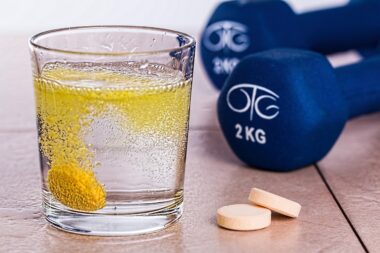
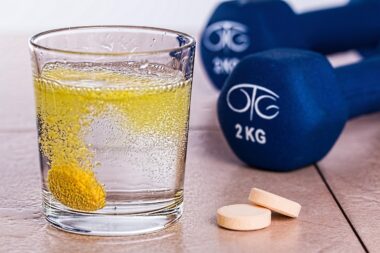
The timing of BCAA consumption can significantly influence recovery outcomes following HIIT workouts. Nutrition science emphasizes the importance of consuming BCAAs shortly after exercise to maximize their recovery benefits. Ideally, athletes should aim to ingest BCAAs within a 30-minute window post-workout, taking advantage of the body’s heightened sensitivity to nutrients during this period. This prompt intake helps to kickstart muscle recovery and mitigate soreness. When combined with carbohydrates, BCAAs can further enhance glycogen replenishment, ensuring that energy stores are adequately replenished after intense training. Many athletes choose to take BCAA supplements in powder form, which can be conveniently mixed with water or a smoothie. This allows for easy consumption immediately following a workout, fitting seamlessly into a post-exercise routine. Experimenting with different flavors and supplement forms can help create a more enjoyable recovery experience, encouraging consistent use. The integration of BCAAs into planned post-training nutrition not only delivers measurable results in recovery time but also encourages a disciplined and focused approach to overall fitness goals.
Additionally, it is essential to consider the quality and composition of BCAA supplements, as these factors can significantly impact their effectiveness. When selecting a BCAA product, athletes should look for reputable brands that provide a balanced ratio of the three amino acids: leucine, isoleucine, and valine. A higher ratio of leucine, often recommended at a 2:1:1 ratio or higher, is particularly effective in stimulating protein synthesis necessary for muscle recovery. Moreover, checking for third-party testing can ensure the purity and potency of the supplements, providing peace of mind regarding what you are consuming. Some products also include additional ingredients, such as electrolytes or hydration aids, which can further enhance your recovery process. Moreover, consulting with a healthcare provider or nutritionist can help tailor BCAA supplementation to individual needs and workout intensity. Overall, careful selection of BCAA supplements, combined with mindful consumption timing, results in optimal recovery for HIIT participants.
Conclusion
In conclusion, integrating BCAAs into a post-HIIT recovery strategy can provide several significant benefits for athletes. They support muscle recovery, assist in reducing soreness, replenish energy levels quickly, and help maintain optimal performance during subsequent workouts. These amino acids play a crucial role in helping fitness enthusiasts overcome the demanding nature of HIIT, ensuring that they not only return to their routines promptly but also with increased efficacy and strength. Whether you’re a seasoned athlete or a beginner, considering BCAAs as part of your nutritional supplementation offers an edge in your fitness journey. Ultimately, as individuals vary in their needs and responses to supplements, anyone considering BCAAs should explore tailored solutions based on their personal goals and workout intensity. By making informed decisions, you can optimize your workout recovery and enhance your overall training outcomes. So, the next time you finish an intense HIIT session, don’t overlook the power of BCAAs to assist you on your path towards greater fitness achievement.
By including these essentials into your post-HIIT routine, you are setting the foundation to recover efficiently and maximize your results.