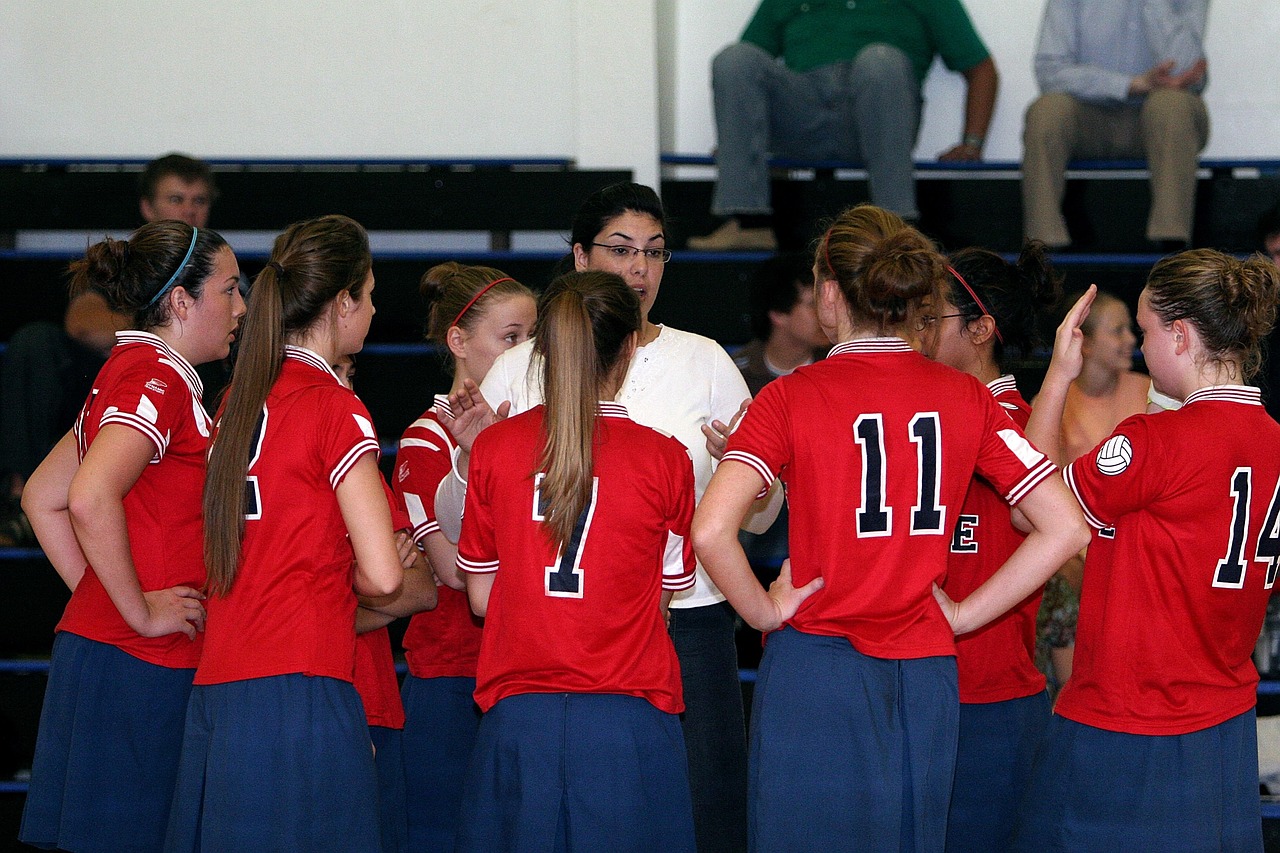

Mental Strategies to Improve Volleyball Communication
Effective communication is crucial for success in volleyball. Players must develop mental strategies that promote clarity and understanding during matches. This involves honing verbal and non-verbal skills. Practicing common phrases helps players stay on the same page. Furthermore, developing a shared vocabulary allows teammates to anticipate each other’s actions. Visualization techniques can also enhance on-court communication. Players should imagine themselves executing plays while effectively communicating with one another. Additionally, recognizing personal strengths can help players express themselves better during high-pressure situations. Mindfulness exercises aid in focusing on the game, reducing anxiety that often hampers effective communication. Coaches should encourage players to engage in discussions outside practice, fostering team cohesion. It’s beneficial to hold regular team meetings to discuss communication breakdowns and solutions. Setting goals for enhancing communication encourages accountability among players. Lastly, creating a supportive atmosphere within the team fosters open dialogue, which is essential for effective collaboration. Incorporating these strategies can significantly improve the overall communication levels, enhancing team dynamics and performance. Players must remain patient, as mastering these skills takes time and consistent effort.
Teamwork in volleyball is reliant on strong communication skills. To achieve this, players must learn to articulate themselves clearly both verbally and through body language. Establishing eye contact during gameplay enables players to express their intentions without words. Furthermore, practicing active listening enhances understanding among teammates. Players should ensure they acknowledge one another, signaling they are engaged. Role-playing different game situations helps refine communication strategies within a controlled environment. Additionally, rehearsing specific scenarios provides insight into how to convey messages under pressure. Identifying non-verbal cues is equally important for effective communication. Players should understand how body posture, gestures, and facial expressions contribute to overall messaging. This awareness can lead to improved teamwork and enhanced performance. Building trust among teammates also plays a vital role in communication. Players need to feel comfortable sharing ideas and expressing concerns. Coaching staff can facilitate trust-building exercises during training sessions, allowing players to bond. Physical fitness and mental preparedness intersect in volleyball training, fostering both mental resilience and effective communication. Together, these elements create a powerful synergy that elevates team dynamics and boosts confidence during matches.
The Role of Visualization Techniques
Visualization techniques play a vital role in enhancing communication in volleyball. Encouraging players to visualize successful plays before they occur boosts confidence and encourages proactive communication. This method complements traditional training practices by integrating mental and physical exercises. Players should envision themselves executing drills successfully, while also picturing their teammates’ movements. This mental rehearsal allows for better anticipation of teammates’ needs during matches. Additionally, spending time visualizing specific scenarios can help players develop effective responses. Imagining various situations helps in mastering strategic communication during competitive play. Journaling these visualization experiences can further strengthen the player’s cognitive skills. Keeping a record allows athletes to reflect on their thought processes and evolving strategies. Coaches should emphasize the importance of visualization by scheduling dedicated sessions focused on this practice. Sharing success stories amongst teammates can motivate and inspire continued utilization of these techniques. Visualization not only fosters better communication but also enhances overall team synergy. Over time, players will notice improved interaction that translates into smoother gameplay and a stronger collaborative spirit on and off the court.
Incorporating mental training into volleyball practice schedules is essential for improving communication. Teams should allocate time specifically for exercises aimed at enhancing team communication skills. This could include working on role-playing scenarios or team-building activities. Coaches must prioritize training mental aspects when developing practice plans. Additionally, introducing mindfulness techniques can help players focus on their communication role in various game contexts. Breathing exercises, visualization, and positive affirmations can empower players fully aware of their communication responsibilities. Conducting self-assessments can help players monitor their communication effectiveness. Asking questions such as, “What can I improve?” promotes a growth mindset. Encouraging players to provide feedback to each other enhances interpersonal communication abilities. Creating a feedback loop supports continuous improvement while reinforcing team collaboration. Teams can also benefit from analyzing recorded games during training. Reflecting on past performances provides insight and highlights areas that require better communication strategies. Holding review sessions gives players a chance to voice concerns and share perspectives while learning from each other. Understanding that strong communication can change the game dynamics is crucial for establishing a successful team.
Building Trust Through Communication
Trust is the foundation for effective communication in volleyball. Players must foster an environment conducive to open dialogue, where everyone feels valued and respected. This positive atmosphere encourages players to express thoughts freely without fear of judgment. Regular check-ins can help teams establish deeper connections. Sharing personal goals and challenges fosters empathy among teammates, enhancing their collective communication skills. Additionally, implementing team-building exercises can strengthen interpersonal relationships. These activities allow players to bond and develop a shared understanding, which is critical for on-court success. Ensuring all voices are heard during discussions promotes inclusivity, contributing to more effective team communication. Coaches should model this behavior, demonstrating that every opinion matters. Creating defined roles within the team can also bolster trust. When players know what is expected of them, they can communicate more effectively to support each other. Encouraging each player to take ownership of their roles fosters accountability. Trust encourages teams to push their limits while supporting one another. Ultimately, a solid foundation in trust and communication will lead to improved performance and enhanced teamwork during critical moments of a match.
Encouraging a positive mindset is essential for effective communication in volleyball. Players should cultivate resilience to navigate the challenges of teamwork, especially during matches. Acknowledging and embracing mistakes creates an environment where communication can flourish. Teams must recognize that setbacks can be learning opportunities, not failures. Coaches can help foster this mindset by promoting self-compassion among players. Reminding athletes that perfection isn’t the expectation enhances their willingness to communicate openly, even after mistakes. Empowering players through motivation encourages them to contribute actively to team discussions. Setting clear expectations around communication can further strengthen this positive culture. Outlining how players can effectively support each other and articulate their thoughts sets a clear standard. Facilitating practice sessions focused on problem-solving enables teams to generate strategies collaboratively. Establishing a feedback loop reinforces the commitment to positive communication. Recognizing instances of effective communication during matches reinforces good habits, helping maintain a positive team dynamic. When players enjoy their interactions and feel safe expressing themselves, they are far more likely to positively impact the game flow, enhancing the overall volleyball experience.
Conclusion: The Path to Enhanced Team Cohesion
In conclusion, mental strategies play a pivotal role in improving communication within volleyball teams. It is essential to focus on developing skills such as active listening, trust-building, and visualization techniques. Coaches need to encourage a robust support system among players. This involves creating opportunities for open dialogue and team bonding. Reinforcing positive mindsets will aid in effective communication and improving overall performance. Consistent practice helps players refine these strategies, allowing them to become more adaptable during matches. Meeting regularly to share experiences reinforces a sense of unity. Players incorporating mental training techniques will ultimately drive team success on and off the court. Athletes must realize the importance of their communication role to foster better teamwork. Building a foundation of trust among teammates enhances each player’s confidence and understanding. This commitment leads to clearer, uninterrupted communication during high-pressure moments. In turn, this translates directly into cleaner plays and stronger overall execution. The intertwined nature of mental training and effective communication highlights their value in volleyball. Embracing these strategies equips teams for both immediate and long-term success.