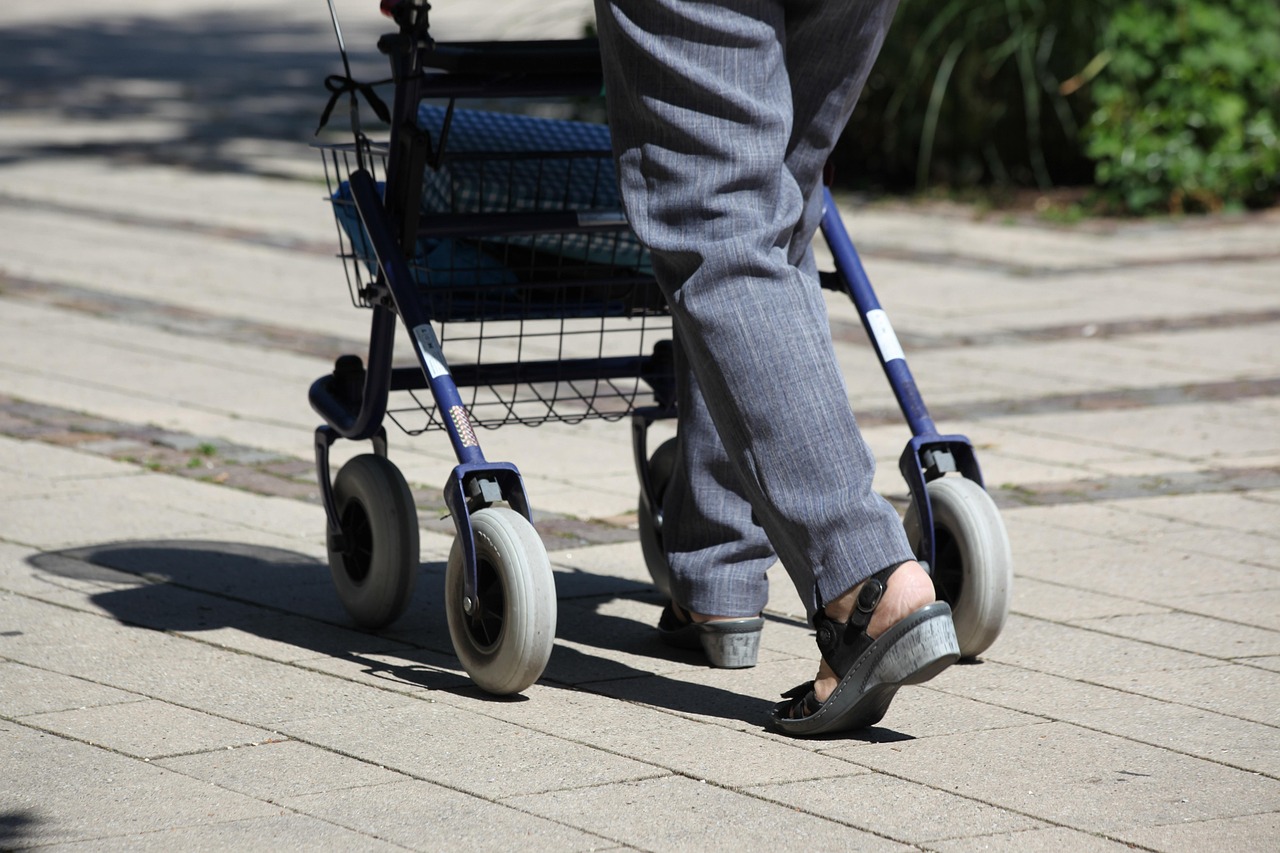

Biomechanical Challenges in Aging Athletes
As athletes age, their bodies undergo significant physiological and biomechanical changes that can impact performance and increase the risk of injury. These changes often include decreased muscle mass, diminished flexibility, and alterations in joint mechanics. Aging athletes may experience a decline in aerobic capacity and maximal strength, factors essential for maintaining peak performance in competitive sports. Understanding these changes is crucial for developing appropriate training regimens tailored to the needs of older athletes. Innovations in sports science and exercise physiology allow for targeted interventions to combat these age-related declines. Athletes can use resistance training, flexibility workouts, and balance exercises to improve their overall functional capacity. Coaching strategies should also adapt to the evolving needs of aging participants. Monitoring physical performance, injury history, and recovery processes are essential in ensuring athletes remain competitive and healthy throughout their later years. Furthermore, integrating nutrition plans focusing on maintaining muscle mass and joint health is vital. By addressing these factors, aging athletes can find ways to sustain competitiveness while minimizing injury risk. Their continued participation can inspire a wider audience, showcasing the capability of older adults in sports.
Impact of Joint Mobility on Performance
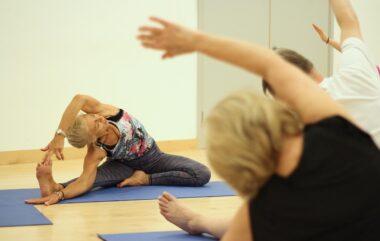
Joint mobility becomes increasingly vital as athletes age, directly influencing performance levels and injury susceptibility. Aging decreases synovial fluid production, causing stiffness in joints, which can impede movement efficiency during sports. Many older athletes face osteoarthritis, reducing their range of motion and causing pain. Maintaining or improving joint mobility can enhance athletic performance and minimize injury risk. Incorporating specific exercises targeting mobility, such as dynamic stretching and yoga, becomes essential in an aging athlete’s training program. These approaches promote synovial fluid circulation, enhancing nutrient delivery and waste elimination in joints. Regular assessments of joint flexibility should be conducted to tailor individual programs that address specific limitations. Furthermore, understanding the interrelation of joint health and biomechanics, such as gait analysis and load distribution, is crucial for injury prevention methods. Field performance relies heavily on optimal biomechanics, influencing speed, agility, and overall endurance. In addition, knowledge about the biomechanics of movement enables coaches to modify techniques or equipment, adapting to age-related changes. Older athletes can benefit significantly from biomechanical analyses that offer insights into improving their technique while considering their unique physiological attributes.
Muscle power declines naturally with age, impacting athletic performance dramatically. This decline affects older athletes’ speed, strength, and ability to perform explosive movements vital in many sports. As athletes age, fibers become less responsive, and thus, power output diminishes. However, this decline can be mitigated through tailored resistance and plyometric training. Focus on fast movements and heavier weights can stimulate remaining muscle fibers, preserving and potentially rebuilding power. The frequency, intensity, and volume of training must be carefully monitored to avoid overtraining, which can lead to injuries more pronounced in older athletes. Volume can replace heavy loads, focusing on speed to enhance muscle contraction without risking injury. Moreover, adequate recovery periods are essential to adapt to training loads and prevent fatigue. Nutrition plays a significant role alongside training; specific protein intakes and supplements can help maintain muscle synthesis during intensive training regimens. Collaborating with a sports dietitian can help devise effective nutritional strategies to support recovery and performance objectives. Thus, understanding the intricate relationship between muscle power, biomechanics, and recovery is crucial in maximizing performance for aging athletes.
The Role of Balance and Coordination
Balance and coordination are critical for athletes of all ages, but they become especially important as athletes age. The ability to maintain body position and posture while performing athletic movements declines with age, significantly influencing performance and injury risk. Older athletes may experience postural instability attributed to reduced sensory feedback from the visual, vestibular, and proprioceptive systems. Regular balance training is essential for developing strategies to maintain stability during sports activities. Simple exercises such as single-leg stands or dynamic movements can improve coordination and enhance proprioception. Implementing agility drills can further support complex movements, improving overall athletic performance. Sports that require quick changes in direction notably benefit from improved balance systems, enabling older athletes to compete at higher levels. Additionally, incorporating functional exercises mimicking sports-specific movements fosters not just physical adaptation but also neural adaptations crucial for performance. Utilizing technology such as virtual reality can provide innovative ways to challenge coordination and balance in training environments, making workouts engaging. These advancements empower aging athletes, optimizing their training programs while providing them with tools to enhance their performance and age gracefully in their sport.
Proper biomechanics is essential for maximizing performance while minimizing injury risk for aging athletes. Understanding the principles of movement mechanics is crucial as it assists in identifying inefficiencies that may lead to overuse injuries or chronic aches and pains. Alterations in joint angles affect force distribution across the body, potentially resulting in misalignments that can exacerbate injuries. By performing biomechanical assessments, coaches and trainers can pinpoint these inefficiencies and develop targeted interventions. Employing techniques such as treadmill gait analysis offers insights into body mechanics, revealing vital information such as stride length and cadence. Based on these analyses, tailored exercises focusing on strength-building around vulnerable areas can be integrated into training. In particular, targeting muscle groups responsible for stabilizing key joints, such as the knees and hips, can significantly improve performance and resilience against injury. Additionally, educating athletes about their mechanics promotes self-awareness, empowering them to recognize when changes can enhance their performance and protect their bodies. Understanding individual biomechanics equips aging athletes with knowledge about their movement patterns, leading to better-informed decisions regarding training methods and injury prevention strategies.
Nutrition’s Impact on Biomechanical Function
Nutrition plays a pivotal role in ensuring optimal biomechanical function for aging athletes. As bodies age, nutrient requirements change, necessitating adjustments in dietary intake to support performance and recovery. Consuming adequate protein is vital for preserving muscle mass and promoting repair post-exercise. Older athletes should prioritize high-quality protein sources such as lean meats, legumes, and dairy while spreading protein intake across meals for optimal utilization. Additionally, micronutrients such as calcium and vitamin D are crucial for maintaining bone health. A well-balanced diet also informs energy levels during training and competition. Adequate carbohydrate intake supports energy production, especially during high-intensity activities. Staying hydrated maintains optimal physiological function and enhances recovery after exercise. Older athletes can benefit from dietary interventions tailored to their unique energy expenditure and training loads. Collaborating with a nutritionist ensures a comprehensive approach is taken for optimal performance. Furthermore, emphasizing the consumption of anti-inflammatory foods promotes recovery and overall well-being, allowing athletes to train more effectively. By recognizing the interdependence of nutrition and biomechanics, aging athletes can navigate their athletic journey with greater confidence and support for their ongoing performance.
Finally, addressing psychological factors is equally crucial in managing biomechanical challenges that aging athletes face. Mental resilience is often tested as athletes age and experience physical limitations. Coping strategies must be reinforced to maintain motivation and focus during training and competition. Social support systems, including coaches and peers, foster a community that encourages persistence despite the challenges of aging. Psychological skills training, such as visualization and relaxation techniques, can enhance performance by lowering anxiety levels while promoting positive self-talk. Additionally, setting achievable, yet challenging, performance goals aids in maintaining enthusiasm for training. Understanding the stress-response tendencies can help athletes adapt their approaches as physical capabilities change over time. Furthermore, engaging in sports that prioritize enjoyment can lead to long-term adherence even when performance may diminish. Prioritizing the mental aspect of athleticism ensures athletes have a holistic approach to maintaining their passions throughout their lives. By addressing both biomechanical and psychological elements, aging athletes can continue their athletic pursuits with confidence, resilience, and a sustainable vision for future success.
As the aging athlete continues their journey, embracing these identified biomechanical and physiological challenges becomes paramount for achieving success. With informed training and nutritional strategies, these individuals can work towards maintaining or enhancing their performance. Blending science with practice, tailored programs can empower athletes to overcome age-related limitations while mitigating injury risks. Furthermore, through integrating technology and supportive networks focused on mental resilience and skill acquisition, aging athletes can define their own trajectories and goals. Efforts dedicated to improving joint mobility, muscle power, and balance will yield benefits not only in competitive contexts but also in enhancing daily quality of life. Ultimately, an inclusive approach to exercise physiology is necessary for improving overall performance while embracing the wisdom gleaned from experience. Age itself is not a barrier but a characteristic of diverse athletic identities. The athletic community should commend the commitment of aging athletes who inspire generations. This commitment to lifelong engagement sets a powerful example for others, demonstrating that passion, adaptability, and proper guidance can enable anyone to continue pursuing their aspirations into their golden years.