
Tailoring Prehabilitation for Female vs. Male Athletes
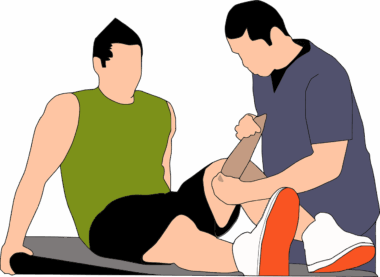
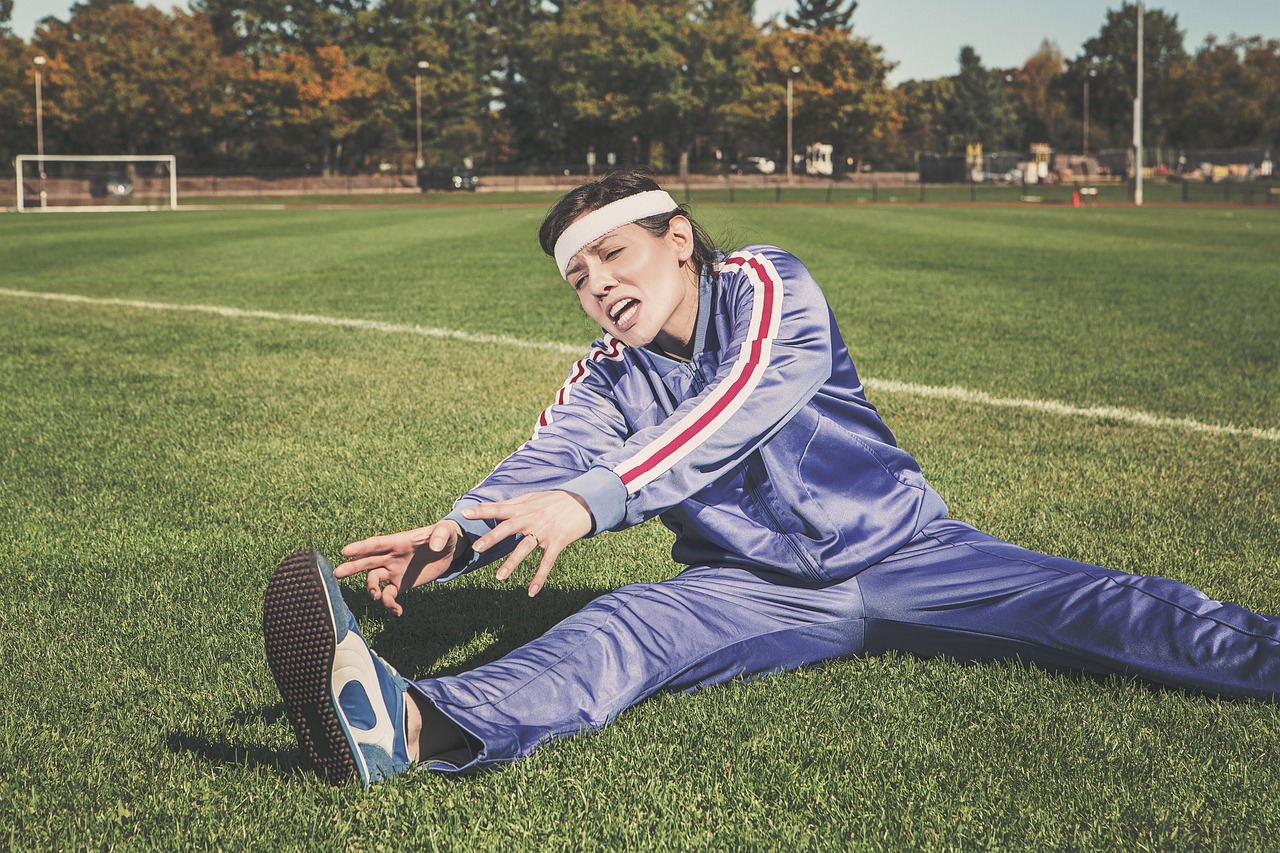
Prehabilitation, or prehab, is an essential strategy for athletes aiming to prevent injuries and enhance performance. This approach focuses on strengthening muscles and improving flexibility, tailored to the physiological differences between genders. For female athletes, factors like wider pelvises and hormonal fluctuations necessitate unique prehab regimes. Science indicates that women may experience different types of injuries than men, placing importance on specific strength training exercises targeting hips, knees, and ankles. In contrast, male athletes typically face injuries related to upper-body strength and speed. By focusing primarily on conditioning these key areas, both genders can vastly improve their overall performance. Prehab programs should incorporate modalities such as dynamic stretching and proprioceptive training, especially for female athletes. Key exercises for women include lateral band walks, single-leg deadlifts, and glute bridges. Meanwhile, male athletes may benefit from exercises like push-ups, pull-ups, and core workouts that enhance functional strength. These divergent strategies underscore the importance of recognizing gender-specific needs in athletic training. A well-structured prehabilitation program can lead to improved performance metrics, reduced injury rates, and long-term athletic success.
Importance of Research in Prehabilitation
Research in prehabilitation has unveiled critical insights into how tailored approaches can significantly improve athletic performance while reducing injury risk. Studies show that both male and female athletes benefit from prehab, but the effectiveness of specific exercises can diverge based on gender-related biomechanics. For instance, while men show substantial gains in upper body strength from resistance training, women benefit more from exercises that enhance core stability and lower body alignment. This difference underscores the necessity for personalized prehab regimes that address each athlete’s strengths and weaknesses. Furthermore, hormonal differences also impact muscle recovery and injury susceptibility, especially in female athletes. As prehabilitation techniques evolve, it becomes crucial to develop gender-specific protocols supported by empirical evidence. Exercise physiologists and sports trainers are increasingly utilizing data-driven approaches to create comprehensive training plans. These plans include not just strength training, but also flexibility and mobility work tailored to each athlete. Incorporating technology, such as biomechanics analysis, can help in refining these individualized training programs even further. Ultimately, embracing research-backed methodologies is crucial for enhancing overall athletic performance and ensuring longevity in sports.
Each athlete’s body composition plays a crucial role in shaping their prehab strategies. Male athletes typically possess higher muscle mass, enabling them to recover from strength-oriented exercises more swiftly. In contrast, female athletes usually have higher body fat percentages and varying muscle distribution. Consequently, their prehab focuses more on enhancing stability, flexibility, and injury prevention. One approach is to implement sport-specific drills that not only improve performance but also promote biomechanical efficiency. For instance, soccer players—regardless of gender—should work on drills mimicking game scenarios while integrating prehabilitation exercises to fortify joints and muscles, particularly in the lower body. Additionally, employing movement-screening assessments for both genders can assist in identifying individual risk factors that need to be addressed in prehab programs. Such assessments should lead to personalized exercises targeting weaknesses uncovered during testing. Choices in exercises can further be influenced by the specifics of each sport. Therefore, active collaboration between trainers and athletes is imperative for developing effective prehabilitation strategies, ensuring that programs are rooted in both scientific understanding and practical applications tailored to each individual’s needs.
Psychological Factors in Prehabilitation
In addition to the physical disparity, psychological differences also influence how male and female athletes respond to prehabilitation programs. Women often deal with different societal expectations and pressures that can impact their performance and adherence to training regimens. Thus, understanding the emotional and mental aspects is equally important in developing effective protocols for prehabilitation. Women might benefit from team-based exercises or supportive environments that reinforce collective motivation. Support networks play a vital role in their adherence and consistency with prehab programs. In contrast, focusing on competitive masculinities, male athletes might respond more positively to challenge-based environments that emphasize personal achievement and strength. Psychological assessments, then, become crucial in orchestrating more holistic prehabilitation approaches. By integrating mental skills training, practitioners can foster resilience and psychological readiness alongside physical training. Techniques such as visualization and mindfulness can enhance performance and aid in injury recovery. Moreover, addressing psychological barriers can help both genders maximize their injury prevention strategies. Thus, understanding the psychological dimensions alongside physical regimen becomes necessary for a well-rounded prehabilitation approach.
A diversified approach to strength training is vital for both genders in the realm of prehabilitation. However, the emphasis placed on specific exercises might differ widely. Female athletes, for instance, may require a greater focus on lower-body training due to the unique stress that their bodies encounter during specific sports. A well-structured program may include plyometric exercises aimed at boosting power without compromising stability. For example, jump squats can help develop explosive strength in the legs while minimizing the risk of injuries. Male athletes, on the other hand, can often concentrate on compound lifts like squats and deadlifts, which promote greater muscle engagement and hormonal responses conducive to strength gains. In a well-rounded prehab initiative, balance exercises can be incorporated for both genders to target neuromuscular control. This aspect is critical for developing functional movement patterns that directly translate to improved athletic performance. Furthermore, periodization in training protocols should also consider gender, shaping progressive overload principles geared toward individual recovery rates and conditioning needs. Using technology and wearables can assist in monitoring and adapting these exercise regimens efficiently for maximum benefit.
Monitoring Progress and Adjustments
When tailoring prehabilitation programs, continuous monitoring of progress is essential for ensuring optimal results for both male and female athletes. By measuring strength gains, flexibility improvements, and injury occurrences, trainers can make data-driven adjustments to workout plans. For female athletes, it may be beneficial to track changes in menstrual cycles alongside performance to understand any correlations impacting their training. Additionally, tracking overall fatigue levels and recovery times is crucial as well. For male athletes, akin monitoring should focus on strength benchmarks, agility testing, and endurance metrics to evaluate effectiveness better. Moreover, trainers should encourage athletes to maintain logs documenting their physical states and mental readiness. This information serves as a substantial resource for making informed decisions about intensity, volume, and recovery strategies in prehabilitation programs. Consistency should also be defined per sport and athlete type, allowing tailored adjustments unique to their physiological responses and progress. The integration of cutting-edge analytical tools can further support trainers in recognizing trends and interactions impacting performance. Hence, continual assessment and adaptability are pivotal toward successful prehabilitation endeavors.
Evaluation of the outcomes of prehabilitation programs accentuates the critical nature of feedback for future training strategies. Athletes of both sexes should provide insights into their experiences with the set prehab routines, which contributes to better future iterations. Engaging in open discussions regarding the positives, negatives, and perceived effectiveness of exercises can reveal gaps in training protocols. These insights not only guide adaptation but also encourage athlete compliance and motivation. Women’s training programs can be particularly enhanced by integrating feedback on how specific exercises may feel both physically and mentally. Men may provide valuable input on endurance training fatigue and recovery challenges, fostering constant evolution of the regime. Furthermore, an interdisciplinary approach involving physiologists, nutritionists, and sports psychologists enriches the feedback ecosystem. With comprehensive evaluations, training protocols can be adapted to suit emerging trends in athletic healthcare. This feedback is essential for enhancing prehabilitation practices, leading directly to improved athlete performance and reduced injury risks. In conclusion, applying a gender-sensitive approach ultimately unfolds multidimensional benefits across the athletic spectrum.
In summary, personalizing prehabilitation strategies for male and female athletes is not merely beneficial but essential for achieving peak performance. The diverse physiological, psychological, and biomechanical needs of each gender demand tailored approaches. Through targeted research and continuous evaluation, training regimens can evolve to meet the specific requirements surrounding injury prevention and performance enhancement. Implementing gender-specific exercises can significantly impact recovery times and subsequent performance. As the landscape of sports evolves towards increased awareness of gender differences, training practices must adapt accordingly. From monitoring progress to incorporating psychological factors, conditioning approaches can create an environment conducive to optimal athletic performance for both genders. The insights gained through this gender-focused approach reaffirm the incredible value that prehabilitation can add to athletes’ training protocols. Ultimately, this tailored methodology bridges the gap between injury prevention and enhanced performance, fostering robust career longevity for athletes. Successful prehabilitation programs capitalize on individualized aspects influenced by gender, nurturing a more profound understanding of what drives athletic excellence. In conclusion, prioritizing the development of personalized prehabilitation strategies is paramount for achieving unprecedented success in sports.