
Electric Bicycles for Kids: Safety and Recommendations
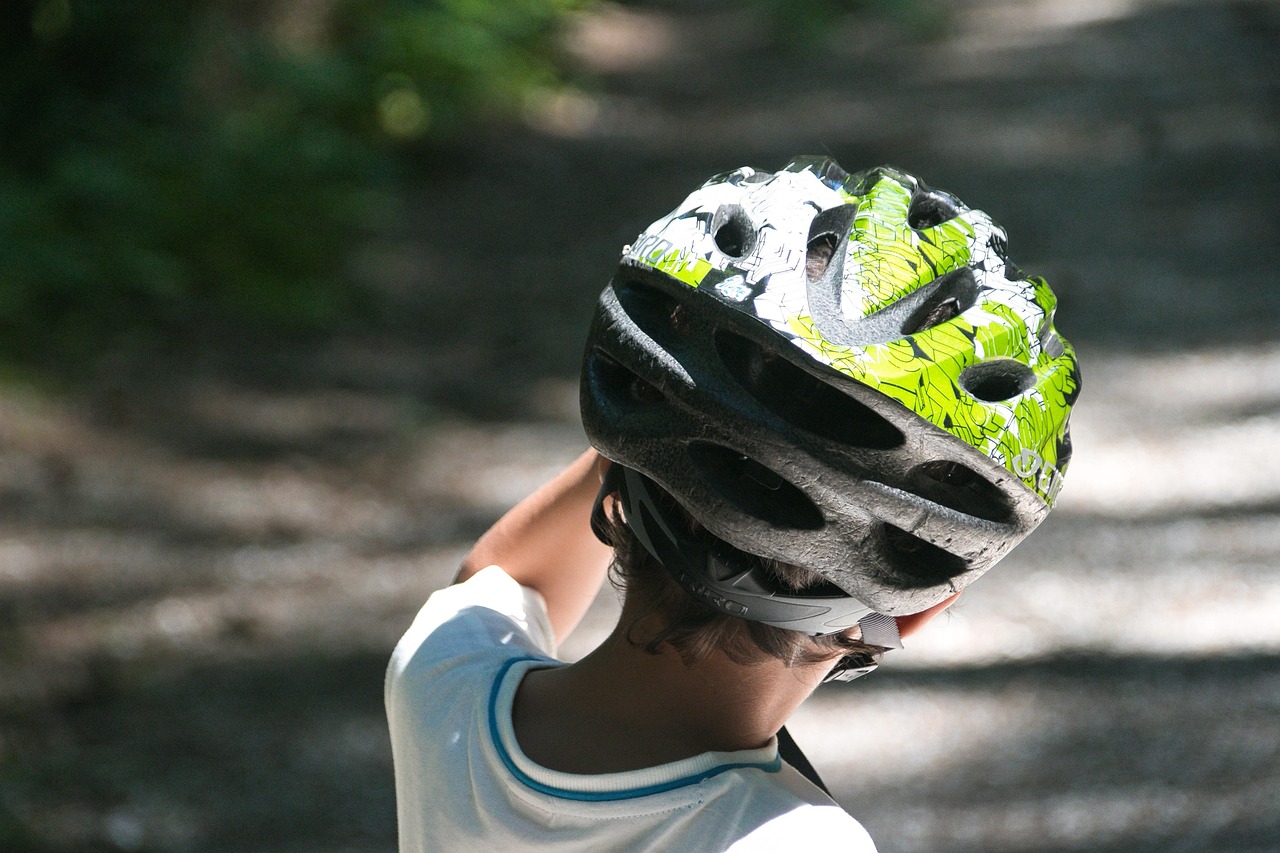
Electric bicycles, commonly known as e-bikes, have become increasingly popular for kids, offering a blend of fun, exercise, and transportation efficiency. However, ensuring safety while riding these bicycles is paramount. One crucial aspect is choosing the right size. A properly sized bike enhances stability and control, making it important to measure the child’s height against the frame size. Furthermore, safety gear is essential. Ensure that your child wears a properly fitting helmet, knee, and elbow pads. In addition, understanding the local laws regarding e-bike use by children is crucial; rules about age restrictions, speed limits, and necessary licenses may vary by region. Another recommendation is to supervise younger riders until they are comfortable and responsible enough to ride independently. Before heading out, encourage children to perform a pre-ride check, inspecting the brakes, pedals, and tires for any issues. When biking on different terrains, emphasize the importance of adjusting speed accordingly. Lastly, teach them to be aware of their surroundings, following traffic signals and being respectful of pedestrians. Fostering these habits ensures a safe and enjoyable cycling experience for kids.
Choosing the Right E-Bike for Kids
Selecting the right electric bike for kids requires careful consideration of several factors. One vital factor is the bike’s weight; lightweight options will enhance maneuverability and safety. Look for models designed specifically for children. Many companies now offer youth e-bikes that accommodate smaller frames and are geared for lighter riders. Another essential consideration is battery life. A bike that can last for long rides without frequent recharging is ideal for young riders, so ensure the chosen model has a sufficient range for any planned trips. Speed settings also matter; opt for bikes with adjustable speed features so you can limit how fast your child goes. In terms of brakes, reliability is crucial. E-bikes should have high-quality brakes, such as hydraulic disc systems, for efficient stopping power. Additionally, it’s essential to choose a model with good suspension, which improves comfort over bumpy or uneven surfaces. Finally, when possible, involve your child in the selection process. They will appreciate having a say in their choice and will likely be more excited to ride their new e-bike.
Teaching proper riding techniques is fundamental for the safety of children on electric bicycles. Start with basic skills; ensure they know how to balance, steer, and brake before introducing more complex biking maneuvers. One effective strategy is to practice in a safe, controlled environment, like an empty parking lot or park. Gradually incorporate obstacles and curves to teach navigation and control in different situations. Promote the importance of maintaining a proper riding posture. Children should keep their hands on the handlebars and eyes forward, as this creates an overall safer riding experience. Additionally, educate them on the significance of signaling their intentions while riding. This involves using hand signals for turning or stopping, which is essential for communicating with drivers, cyclists, and pedestrians. Sharing the rules of the road is also critical; children should understand their responsibilities as cyclists, including following traffic rules. Furthermore, encourage regular practice; the more comfortable they become with their e-bike, the more confident and responsible they will be. The goal is to make cycling a safe and enjoyable activity that they can continue throughout their life.
Maintaining Your Child’s E-Bike
Regular maintenance is crucial for ensuring the safety and longevity of your child’s electric bicycle. Start with routine cleaning; dirt and debris can build up on the brakes and drive systems, negatively impacting performance. Use a soft cloth and non-abrasive cleaner to wipe down the frame. Next, check the tire pressure weekly, as proper inflation is vital for traction and comfort. Ensure that the brakes function correctly and routinely inspect the brake pads for wear. Adjustments may be necessary if they show signs of prolonged usage. Additionally, accompany routine maintenance with a battery check. Knowing when and how to charge the e-bike battery ensures that it functions optimally. Many e-bikes come with a built-in battery management system that alerts users to potential issues, but manual checks are still indispensable. If the bike has gears, ensure they shift correctly, and lubricate the chain to prevent rust and enhance movement. Lastly, consider scheduling regular professional inspections; take the bike to a local shop specializing in e-bikes for a thorough check-up.
Understanding the legal landscape surrounding electric bicycles is essential for both parents and children. In many areas, e-bikes are classified differently than traditional bicycles, so it’s crucial to familiarize yourself with local regulations. For instance, some jurisdictions may have specific age restrictions for young riders, while others may mandate the use of certain safety equipment. Furthermore, it’s important to know where e-bikes can be ridden. Some locations may only allow bike lane or sidewalk use while others may prohibit them from paths designed for pedestrians. Additionally, familiarize yourself with the guidelines for e-bike motors; knowing the maximum allowable wattage and speed limits in your area’s laws can help ensure compliance. Educate your child about these regulations to foster responsible riding habits. As communities become more accustomed to the presence of e-bikes, regulations may evolve, so staying informed of any changes is crucial. Engaging with local cycling advocacy groups can also provide resources and support in understanding your rights and responsibilities as an e-bike rider.
Encouraging Safe Riding Habits
Instilling safe riding habits in children using electric bicycles is an essential component of their cycling education. Begin by promoting the concept of riding predictably; children should learn to maintain straight lines, avoid sudden movements, and always look ahead for potential obstacles. Teaching them to stop at intersections and yield to pedestrians is vital. Emphasize the importance of being visible to others, especially drivers, during low-light conditions. Having bright lights and reflective gear can significantly improve visibility, especially during dawn or dusk. Reinforce the necessity of riding in designated areas meant for cyclists, such as bike lanes, and discourage the practice of riding on busy streets without proper oversight. As they develop skills, encourage them to ride in groups; cycling with friends can enhance safety as they look out for one another. Teach them how to navigate challenges they might face, such as potholes or gravel roads, and how to handle emergencies. Being well-prepared for unexpected situations builds confidence and ensures they enjoy their e-bike experience responsibly and safely.
The benefits of electric bicycles for kids extend beyond mere transportation; they promote an active lifestyle, increase independence, and provide over time, an avenue for social interaction. E-bikes can encourage outdoor activity, motivating kids to explore trails and parks. With pedal-assist features, these bikes also allow children to navigate longer distances without physical exhaustion, making their rides enjoyable and manageable. This newfound independence fosters self-confidence and helps kids form a sense of responsibility, as they learn to take care of their bike and follow the necessary rules. Moreover, cycling can become a family activity, allowing parents and children to bond over shared adventures. Community events centered around cycling can forge friendships and instill a sense of belonging within a group. Additionally, e-bikes can serve as a sustainable mode of transport, reducing reliance on cars for short trips. As children become accustomed to cycling, they cultivate respect for the environment, recognizing their role in reducing carbon footprints. Ultimately, electric bicycles represent a bridging tool for kids, combining joy with the lessons of safety, responsibility, and environmental awareness.