
Mountain Hiking: Challenges and Rewards on High Altitude Trails
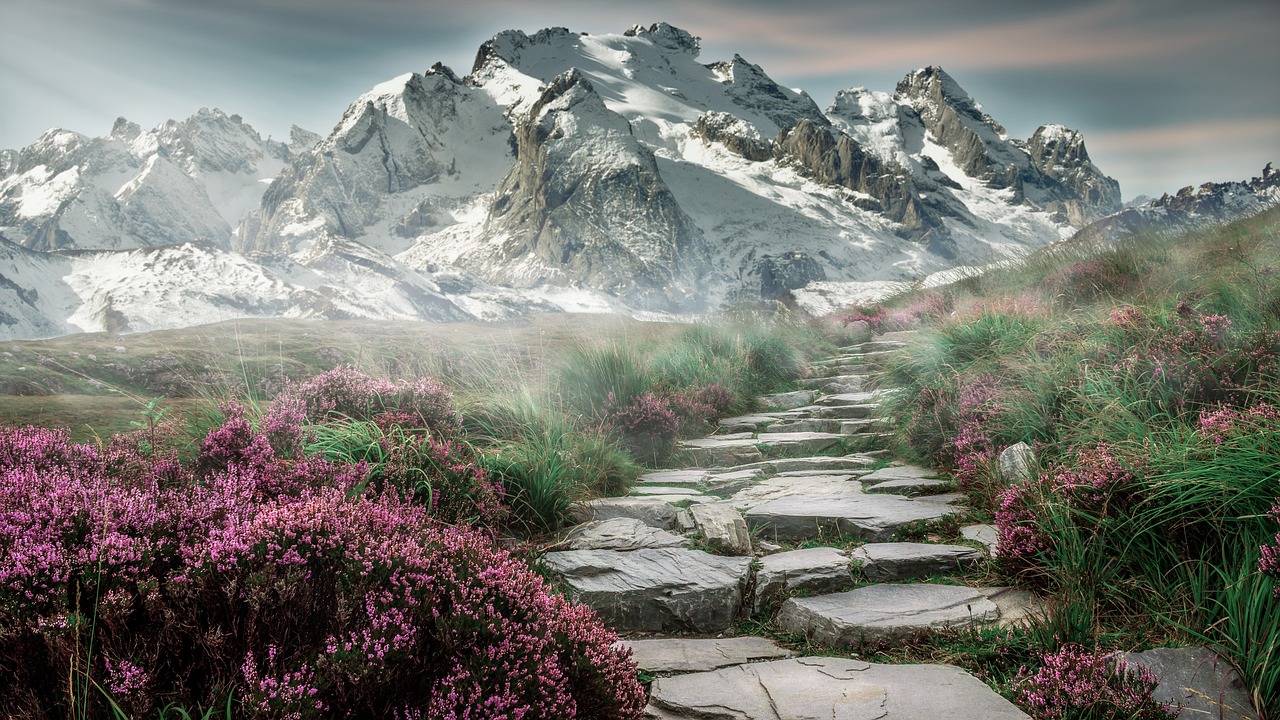
Hiking in the mountains presents unique challenges, primarily due to the high altitude encountered on many trails. As elevation increases, the air gets thinner, which can leave even the fittest hikers gasping for breath. Acclimatization is crucial when traversing these trails, as altitude sickness can strike unexpectedly. Symptoms may include headaches, dizziness, and nausea. To mitigate these risks, it’s important to ascend gradually and stay hydrated throughout your journey. Furthermore, choosing trails appropriate to your experience level is key; some may find steep routes daunting, while others thrive on the thrill. The scenery, though, cannot be understated. Mountain trails offer breathtaking views that are generally unmatched, showcasing nature’s grandeur. These moments often provide rewards that far outweigh the physical challenges faced. Many hikers take in awe-inspiring landscapes with panoramic vistas, and capturing photographs becomes almost irresistible. The sensation of reaching a mountain summit brings a profound sense of achievement and fulfillment. With each hike taken, whether a seasoned pro or a beginner, one learns to appreciate both the breathtaking surroundings and the journey taken to reach them.
As hikers venture into the serene worlds of lofty mountains, a variety of considerations should be made. Firstly, gear selection is crucial for ensuring safety and comfort during these hikes. Essential items such as hiking boots, weather-appropriate clothing, and adequate hydration gear should always be included in preparation. Additionally, a well-packed backpack containing essential accessories like first-aid kits or energy bars can make a significant difference. Weather can change rapidly in mountainous areas, causing even seasoned hikers to miscalculate conditions. Therefore, it is advisable to check forecasts and pack according to possible climatic variances. Emergency plans are often necessary, and being aware of your route and available escape paths should be a priority. Understanding local wildlife and environmental hazards is also fundamental, enhancing safety further. Creating a balance between challenge and enjoyment is vital. Embracing the elements of mountains often leads to memorable experiences. The camaraderie shared among fellow hikers fosters connections and supports resilience. Ultimately, hiking brings not only physical benefits but also emotional healing, allowing individuals to reconnect with themselves and the beautiful planet we inhabit.
The Importance of Trail Etiquette
Maintaining trail etiquette is paramount when hiking on popular high-altitude routes. Respecting nature and fellow hikers ensures everyone has a pleasant and safe experience. For example, yielding the right of way to those ascending is a fundamental rule that promotes harmony and efficiency on busy paths. Furthermore, minimizing noise helps preserve the tranquility of mountain surroundings, allowing nature to be enjoyed fully. Littering is an unfortunate issue in many hiking spots, and regarding Leave No Trace principles helps minimize our ecological footprint. Dispose of waste properly and carry out whatever you bring in. Additionally, it’s prudent to stay on established trails, as wandering off-track can lead to soil erosion and disturb wildlife habitats. Communicating clearly with your group about your pace and plans also contributes to a cohesive hiking experience. Properly managing hiking groups prevents frustrating delays and ensures everyone remains engaged and motivated. Emphasizing teamwork and shared goals creates lasting memories. Fostering respect and kindness towards fellow hikers cultivates a positive community, encouraging more outdoor enthusiasts to embrace the challenges and rewards of mountain hiking.
In addition to trail etiquette, understanding the ecological impact of high-altitude trails reinforces responsibility and mindfulness among hikers. Mountain ecosystems are fragile and easily disrupted. Education about local flora and fauna enhances hikers’ connection with nature. This knowledge fosters appreciation for the biodiversity that thrives in these ski areas and mountains. For example, specific vegetation only grows at higher altitudes, and hikers can observe unique wildlife that might be endangered or endemic to certain regions. Plus, engaging in volunteer opportunities can provide a rewarding way to contribute positively to the environment. Participating in trail maintenance or clean-up events allows hikers to give back, preserving the beauty of their favorite trails. Many organizations host scheduled volunteer outings, creating a community of environmentally conscious hikers. Whether removing litter or helping repair damaged paths, engaged participants ensure future generations can enjoy high-altitude hiking. Ultimately, combining love for the outdoors with action helps support environmental conservation initiatives and fosters resonance with nature’s remarkable intricacies. Cultivating relationships with fellow advocates strengthens efforts against damaging activities, aiming instead to protect the stunning trails for all to enjoy.
Physical Training for Mountain Hiking
Proper physical training will significantly enhance the mountain hiking experience, allowing enthusiasts to tackle challenging elevations. Building endurance through cardiovascular exercises like running, cycling, or swimming effectively prepares the body for the demands of hiking. Strength training, particularly targeting the legs, core, and upper body, also plays an important role in overall fitness. Performing exercises such as squats, lunges, and deadlifts helps improve muscular strength and stability, critical for navigating rocky or uneven trails. Incorporating flexibility training minimizes the risk of injury and promotes a greater range of motion, enabling better mobility while hiking. Additionally, practicing balance through exercises such as single-leg stands is valuable for stability, especially on unfamiliar terrain prone to slips and falls. Gradually increasing the intensity of workouts mirrors the increasing challenges faced in high-altitude hiking. If possible, it’s beneficial to participate in practice hikes before tackling lofty trails; experience on varied inclines and altitudes can boost confidence and preparedness. Overall fitness determines how much hikers can enjoy their experience, so readiness can lead to heightened satisfaction that resonates beyond the trails.
Hydration and nutrition are essential components of a successful mountain hike, with the right balance being integral to peak performance. As elevations increase, the body dehydrates more rapidly, making hydration particularly critical. Always carry sufficient water and consider using water purification methods if hiking in remote areas. Additionally, opting for performance-oriented snacks and meals makes a significant difference. Consuming high-energy foods rich in carbohydrates, proteins, and healthy fats will provide sustained energy throughout the hike. Granola bars, nuts, and trail mix are excellent options for portable energy. Eating small meals regularly can prevent dips in energy, allowing hikers to remain alert and engaged. Pay attention to your body’s signals regarding hunger and thirst, as hiking can lead to unanticipated cravings. Preparing meals ahead of time and packing them carefully can streamline the hiking experience, helping maintain focus on the journey and the views. Always be cautious of weight limits for your backpack, as carrying too much can quickly lead to fatigue and negatively impact the experience. Successful hydration and nutrition strategies elevate the journey and enable deeper connections to mountain hiking.
The Joy of Reaching the Summit
Finally, the exhilarating joy found in reaching a mountain summit illustrates the intrinsic rewards of high-altitude hiking. The feeling of accomplishment and pride surges through those who conquer challenging trails. Breathe deeply as you absorb the breathtaking views that unfold before you from the top; landscapes showcase an unmatched beauty that only mountains can provide. Summits often serve as ultimate motivators, allowing hikers to relish the culmination of physical effort, resilience, and commitment. Moments spent atthe peak can lead to a profound sense of gratitude for nature’s splendor and the journey taken to arrive. Building memories with friends or loved ones strengthens bonds forged amid challenging experiences. As you embrace the moment, don’t forget to reflect on goals accomplished and challenges overcome during the hike. Take time to indulge in the present; appreciation for the environment fosters respect for future hikes. Engaging in mindfulness practices during these moments helps bring tranquility and peace amid the grandeur. Ultimately, summiting serves as a powerful reminder of life’s challenges and triumphs, echoing resilience both on the trails and beyond.
Reflecting on all aspects enhances the mountain hiking experience overall; challenges faced lead to growth and development. High-altitude hiking rewards individuals with majestic sights, camaraderie, and lessons learned throughout each journey. Those looking to embrace the beauty and adventure of the mountains will find opportunities at every turn. The importance of preparation, respect, and self-care cannot be understated. Prioritize training, fitness, hydration, and nutrition to ensure each hike is memorable. Lastly, share your experiences and insights with others, as doing so encourages more outdoor enthusiasts to appreciate the beauty of mountain trails. Adventurers should remember to tread lightly and cherish what nature provides. By fostering cultivation, individuals contribute positively to the environment and spark inspired attitudes toward outdoor pursuits. This community aspect ensures trails remain accessible and enjoyable for all seeking adventure. Engaging with nature uplifts spirits, nourishes minds, and offers a path to self-discovery and awareness. Mountain hiking transcends physical challenge; it invites participants to explore realms beyond themselves while encouraging connections with nature and others. Embrace the challenges, savor the rewards, and embark on adventures that leave a lasting impact on your life.