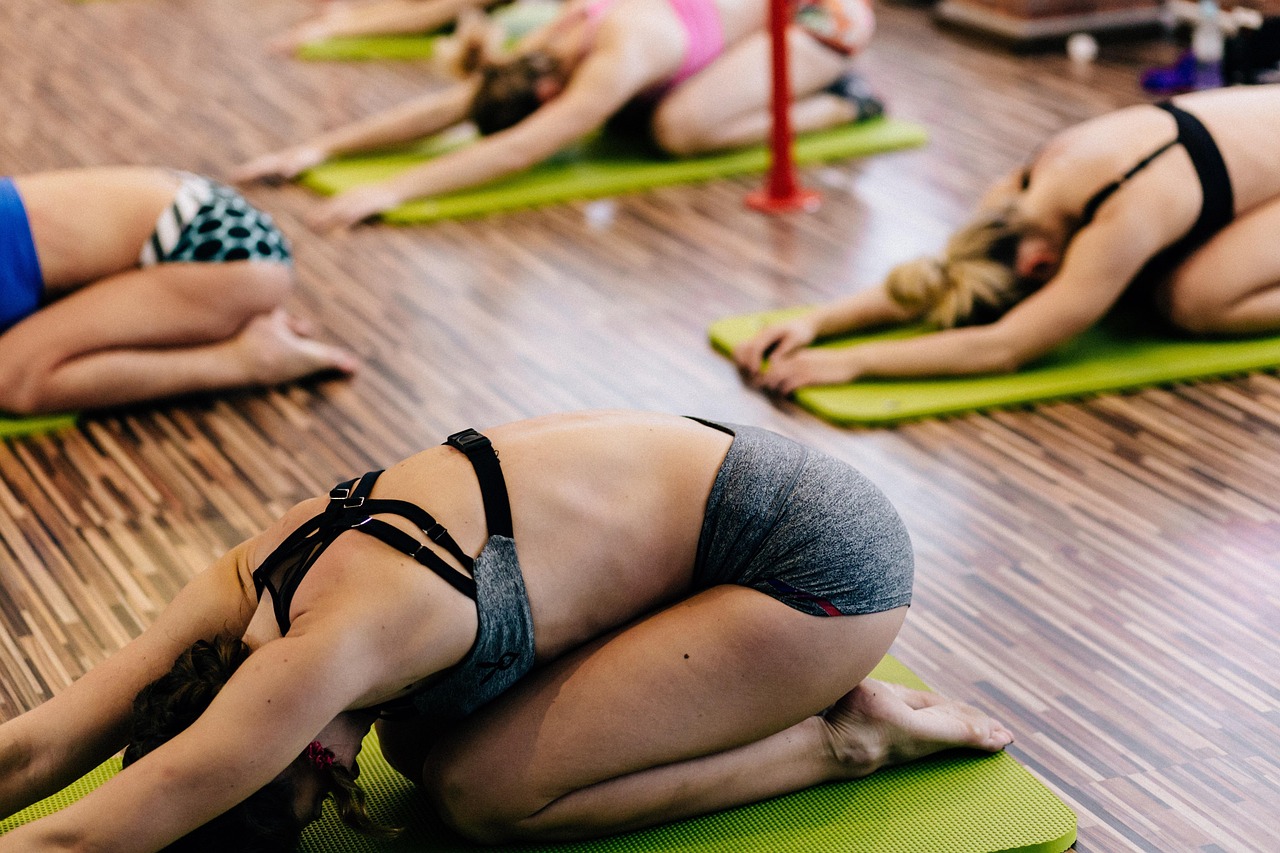

Preventing Falls in Seniors with Yoga Balance Exercises
Falls among seniors are a significant health concern, often leading to serious injuries. Encouraging gentle yoga balance exercises can be a proactive approach to reducing fall risk. By focusing on enhancing stability and muscle strength, seniors can improve their overall physical condition. Additionally, yoga promotes flexibility, which is crucial for maintaining balance. Incorporating poses like the Tree Pose or the Warrior Pose can help seniors build core strength and stability, which are essential for preventing falls. Such exercises encourage seniors to be aware of their body alignment, strengthening crucial muscles that contribute to balance. Moreover, the mental aspect of yoga can help reduce anxiety, which often contributes to fear of falling. This holistic approach combines physical and mental well-being. Another beneficial aspect of yoga is its adaptability; it can be modified to accommodate varying ability levels. Yoga classes for seniors can be tailored to their unique needs, ensuring accessibility and safety. Instructors experienced in working with seniors provide guidance on safe practices that can minimize risks.
Furthermore, practicing yoga within a supportive community can enhance motivation and social interaction for seniors. Social engagement is vital for emotional health, which can indirectly affect physical safety. Many seniors may feel isolated, and group yoga classes can foster connections, creating a sense of belonging. When seniors practice yoga together, they can encourage each other and share experiences, making the practice more enjoyable. In addition, learning together can build confidence in performing balance exercises. This environment nurtures a positive attitude towards physical activity, making it more likely seniors will continue to practice regularly. Engaging in yoga not only contributes to fall prevention but also to wellness and happiness. Additionally, mindfulness cultivated through yoga promotes awareness of the surrounding environment, which can lead to improved reactions to potential hazards, such as obstacles. Practicing deep breathing techniques within classes can help seniors manage stress levels, enhancing focus. A calm mind can translate into better balance and steadiness in movement. Using props, such as blocks or straps, can also facilitate the practice, making poses more achievable and safe.
Specific Yoga Poses for Enhancing Balance
Several specific yoga poses can be particularly beneficial for improving balance among seniors. First, the Chair Pose or Utkatasana strengthens the thighs, calves, and spine, encouraging stability. It teaches seniors how to engage their core without straining. Next, the Tree Pose, known as Vrksasana, helps enhance focus and engages the muscles in the standing leg. This pose can be practiced next to a wall for support, giving seniors a safe way to learn balance. Additionally, the Warrior III Pose challenges stability and encourages core engagement and leg strength. Seniors can use a chair for support while practicing this pose. Moreover, the Cats and Dogs pose sequence promotes spinal flexibility and awareness, crucial for overall balance. These exercises should be done at a comfortable pace, allowing time for seniors to feel confident in their movements. Consistent practice of these poses improves muscle memory, leading to greater confidence in balance over time. Working with a qualified instructor is essential, ensuring that seniors receive personalized guidance during their yoga practice.
Safety is paramount in any exercise program for seniors, especially in yoga. It is essential to create a peaceful and safe environment for practice. Ensure that the practice area is free from obstructions and that mats provide adequate grip. Instructors should emphasize the importance of listening to one’s body; adjustments can prevent unnecessary strain or injury. Additionally, integrating dynamic balance exercises, such as gentle shifts in weight or step variations, as part of the warm-up can further enhance balance effectiveness. Moreover, providing cushions or chairs for support during yoga can help seniors feel more secure as they explore their limits safely. Hydration is also critical; always remind participants to stay hydrated before, during, and after practice. As seniors engage in these exercises aimed at improving balance, tracking progress is beneficial for motivation. Encourage them to note improvements in their stability and confidence in movement. These small victories are essential in ensuring that seniors stay engaged and motivated in their yoga practice, contributing to long-term benefits. Consistent practice is key to seeing improvements in balance and coordination.
Mindfulness and Breathing Techniques
Incorporating mindfulness and breathing techniques into yoga classes for seniors has profound effects on overall well-being. Not only do these practices enhance physical balance, but they also provide mental stability, essential for fall prevention. Teaching seniors to focus on their breath while performing poses aids concentration and relaxation, which can reduce anxiety levels. Deep, deliberate breaths help increase oxygen flow, promoting energy and vitality, critical for older adults. This focus on breathing fosters a meditative state, allowing participants to be present, reducing distractions during practice. An excellent way to blend mindfulness into the practice is by suggesting seniors visualize themselves stable and secure as they perform balance exercises. This visualization helps reinforce their mental state, impacting their physical performance positively. Moreover, introducing gentle, guided meditations at the end of sessions can help in calm and recovery. Encouraging a few moments of silent reflection allows seniors to absorb the benefits from their practice. Such approaches can facilitate self-awareness, helping seniors recognize the sensations in their body and their surroundings, leading to greater awareness while walking or engaging in daily activities.
In conclusion, yoga is a valuable tool for seniors to prevent falls through effective balance exercises. A consistent yoga practice can foster not only improved physical balance but also mental resilience and emotional wellness. Building strength and flexibility through tailored yoga classes can lead to significant improvements in seniors’ overall health. Furthermore, creating social bonds among participants enhances their motivation, making it more likely they will continue with their practice. Regular practice of specific poses, combined with mindfulness techniques, creates a holistic approach toward fall prevention. As seniors learn the importance of stability, breathing, and intentional movement, they also cultivate self-confidence. This newfound assurance translates to better balance in their everyday lives, reducing the risk of falling and subsequent injuries. Community support in classes allows seniors to share experiences, improving motivation. As this positive environment fosters consistent practice, seniors can reap the benefits of yoga for years to come. Ultimately, promoting yoga as an option for fall prevention provides a safe, enjoyable, and effective means for enhancing the quality of life in seniors.
In summary, by emphasizing strength, flexibility, and connectivity, yoga plays an integral role in helping seniors minimize fall risk. Engaging with a community of like-minded individuals encourages regular attendance while inspiring one another. Each yoga session not only enhances physical health but also nurtures mental and emotional well-being. Practicing balance exercises forms a solid foundation for overall physical stability, reducing the likelihood of accidents greatly. Additionally, the unique combination of social interaction and personal growth leads to enriched lives among seniors. Tailoring yoga classes to meet the needs of seniors ensures their safety while maximizing benefits. Always remember that taking small, steady steps towards enhancing balance is key. Every individual may progress at their own pace, and adapting yoga practices to individual capabilities ensures everyone feels included and supported. With dedicated practice, the transformation towards greater balance and stability is achievable. As seniors actively engage in yoga, they can adopt healthier lifestyles that promote longevity and vitality. Finally, concluding every class with a moment to express gratitude enriches the experience while fostering a deeper connection to oneself and the surrounding community.
In essence, integrating yoga into seniors’ routines can be life-changing regarding fall prevention. It empowers them to take control of their physical health, focusing on balance, flexibility, and strength. Encouraging seniors to actively engage in their wellness journey fosters independence and self-reliance. This independence contributes significantly to their quality of life, ensuring they continue to enjoy their daily activities without undue fear of falling. Promoting yoga as a fall prevention strategy not only benefits physical health but also affirms the importance of holistic well-being. Additionally, this approach can lead to enhanced mobility and a greater sense of purpose in life. As seniors become more confident in their movements, they can rediscover activities they may have avoided, truly embracing an active lifestyle. Encouraging regular practice ensures that seniors gain the necessary tools to maintain balance in all areas of life. Furthermore, empowering seniors through yoga can uniquely contribute to a healthier aging process. Adopting these recommendations in seniors’ lives nurtures resilience, enabling them to face challenges head-on. This comprehensive understanding of yoga’s role in combating falls reinforces that every senior can benefit from these simple yet impactful practices.