
Real-Time Hydration Status Assessment Through Non-Invasive Sensors
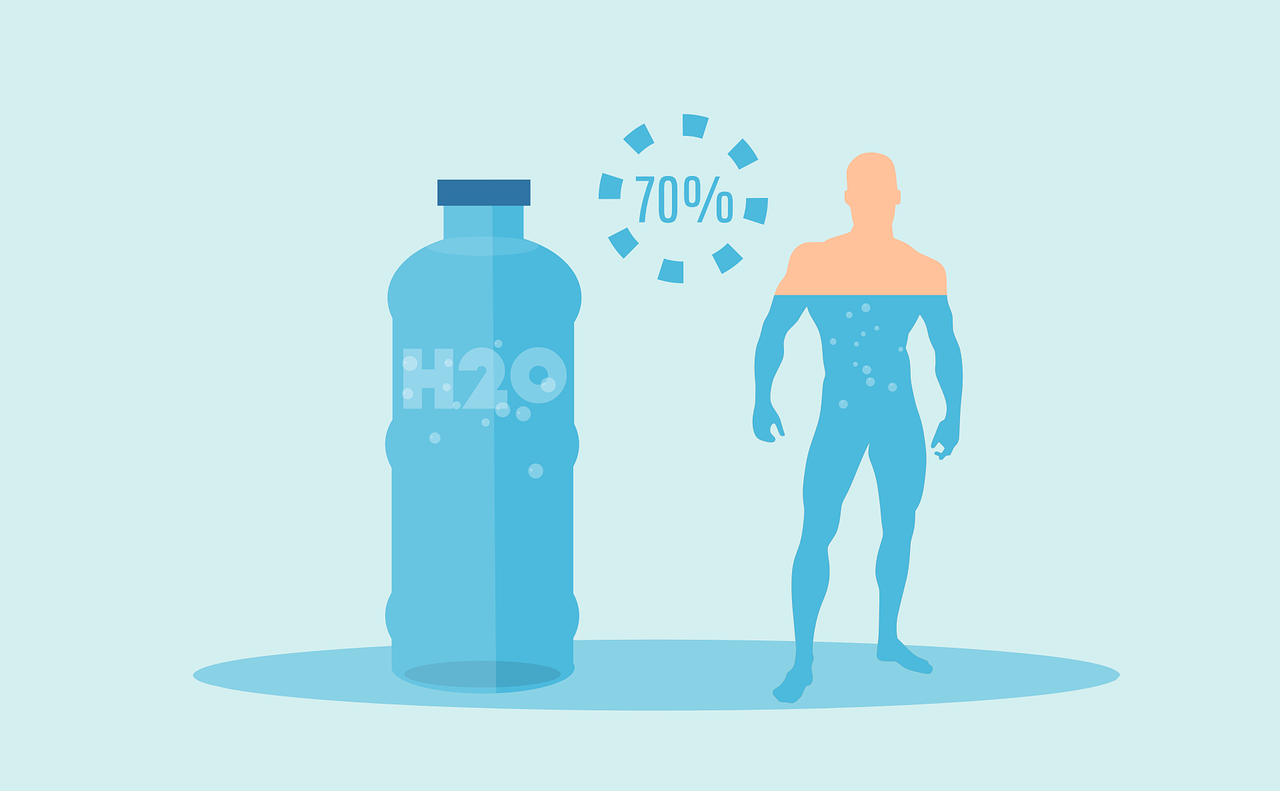
Staying adequately hydrated is crucial for maintaining optimal health, particularly among athletes and active individuals. Current hydration assessment methods often rely on subjective feedback and invasive techniques. Emerging technologies now offer innovative solutions that enhance our ability to monitor hydration levels non-invasively. These technologies use advanced sensors that can assess hydration status without the need for painful or inconvenient methods. Innovations in material sciences and wearable technology make it possible to measure hydration through sweat analysis and other physiological indicators. The application of these sensors opens doors to personalized hydration programs, essential for athletes needing to optimize performance. Examples include sensors that can be integrated into clothing or accessories, creating a seamless experience. Future developments aim at improving accuracy, making real-time data available at the user’s fingertips. Understanding hydration trends and related health metrics becomes much more efficient with these advancements. As the technology matures, providing reliable hydration assessments could shift how we approach health and athletic training. Overall, the integration of non-invasive hydration sensors in everyday life represents a major step toward better health consciousness.
Advancements in Sensor Technology
Recent advancements in sensor technology have significantly impacted how we assess hydration statuses. Various innovative techniques, including optical sensing and bioimpedance, play a vital role in refining hydration monitoring. Optical sensors, for instance, evaluate hydration by measuring light absorption changes in body tissues. Other strategies utilize bioimpedance, which assesses body composition and hydration by passing electrical currents through the skin. These advancements provide accurate real-time data enabling users to adjust their hydration levels proactively. The potential for miniaturization makes these sensors manageable and user-friendly, facilitating everyday use by non-experts. Unique wearable forms are designed to be unobtrusive, ensuring that individuals can incorporate them seamlessly into their daily routines. Furthermore, these technologies are accompanied by data analytics platforms, enabling users to track hydration trends over time. In combination, they empower people with knowledge about their hydration patterns, essential for their overall well-being. Collaborative efforts with health professionals can optimize the implementation of hydration strategies based on the gathered data. Collectively, these advancements serve as a critical foundation for future hydration research and personalized health methodologies, paving the way for improved lifestyle choices.
The role of artificial intelligence is becoming increasingly important in the realm of hydration monitoring. Machine learning models can analyze hydration data from non-invasive sensors efficiently. These AI systems can learn from vast datasets, providing personalized recommendations based on individual hydration needs. By correlating hydration levels with performance metrics, AI can predict potential dehydration risks before they manifest into health issues. This creates a proactive approach to managing hydration tailored to various environments and activities. Real-time feedback can play a significant role in optimizing athletic training sessions by alerting athletes to hydration needs during workout periods. These models are adaptable, identifying patterns and trends relevant to different population segments, including athletes and casual exercisers. Their integration into wearable technology ensures that hydration alerts prompt timely interventions, ultimately enhancing performance and minimizing health risks. AI-powered applications also hold the promise of integrating with other health data, providing comprehensive wellness insights. Exploring the fusion of AI with non-invasive hydration sensor data fosters a multi-faceted approach to hydration strategies. Therefore, the alignment of technology with hydration research sets the stage for future health optimization.
Challenges and Limitations
Despite the promising advancements in non-invasive hydration monitoring, several challenges and limitations persist in this field. A significant hurdle is the need for improved accuracy and reliability of hydration sensors. Current technologies may not always deliver consistent readings, influenced by factors such as skin temperature and sweat composition. Calibration and environmental considerations can further complicate the deployment of these devices in various settings. Additionally, user adherence becomes an essential factor in utilizing sensor technologies effectively. Regular usage and trust in the readings are vital for individuals to alter their hydration behaviors accordingly. Furthermore, the interpretation of data obtained from these sensors must be straightforward, ensuring that individuals can act on insights without confusion. Educating users about hydration needs and the significance of real-time monitoring is crucial for maximizing the benefits of this technology. Moreover, the costs associated with these sophisticated sensors could represent a barrier for widespread adoption among the general population. Addressing these challenges effectively will be critical for the future development and acceptance of non-invasive hydration monitoring technologies.
The rise of telehealth and remote monitoring accelerates interest in innovative solutions for assessing hydration statuses. This trend aligns well with the growing emphasis on preventive health measures, ensuring that individuals remain informed about their hydration levels. Real-time monitoring uses data from wearable sensors to create a comprehensive profile of an individual’s hydration needs. As the world embraces remote health platforms, the application of non-invasive hydration sensors enhances personalized healthcare initiatives. Practitioners can leverage these insights to tailor hydration advice for patients in real-time, addressing hydration deficiencies immediately. Furthermore, collaboration among tech companies, healthcare providers, and research institutions will be essential for unlocking the full potential of these technologies. Education regarding the importance of hydration and how to use monitoring sensors becomes increasingly vital in promoting wellness. A future where AI-driven hydration strategies integrate seamlessly into everyday life is worthwhile. Encouraging individuals to adopt better hydration habits could significantly reduce health-related issues connected to dehydration. Today’s focus on personalized health solutions highlights the significance of understanding hydration and how innovative technologies can pave the way for enhanced health practices.
Real-World Applications
The incorporation of non-invasive hydration sensors into various real-world applications has enormous potential. Sports teams can benefit from real-time hydration data during practices and competitions, thereby optimizing performance and reducing health risks. Coaches and trainers could receive immediate alerts about athlete hydration levels, allowing for timely interventions. This aspect is especially critical during extreme weather conditions when athletes are more susceptible to dehydration. Additionally, organizations could implement these technologies to protect workers under physically demanding tasks. Industries such as construction and agriculture could monitor workers’ hydration statuses in challenging environments. Furthermore, data analytics from these sensors offer valuable insights into team hydration practices, informing training strategies for better results. Everyday consumers can also harness the benefits of hydration monitoring, promoting a healthier lifestyle. As awareness grows about hydration needs, consumers are likely to invest in technologies that support better health outcomes. Ultimately, educational campaigns highlighting the advantages of proper hydration linked to performance will encourage broader adoption. The multidisciplinary impact of hydration sensor technologies signifies a transformative potential in sports, occupational health, and personal wellness.
The future of hydration research is promising as advancements continue in sensor technologies and data analytics. Emerging fields such as personalized nutrition and health monitoring are ripe for integration with hydration technologies. Researchers are exploring how personalized hydration strategies could be linked to specific dietary choices and lifestyle factors. Furthermore, understanding the impact of hydration on cognitive functions opens a new frontier in hydration research. Future studies must explore the nuances of individual hydration responses influenced by genetic and environmental factors. By engaging in collaborative research efforts, scientists can develop standardized methodologies enabling broad applicability across different populations. Exploring hydration’s role in chronic disease prevention is also a vital research domain, potentially leading to novel interventions. This will require ongoing collaboration between technologists, medical professionals, and behavioral scientists to gather meaningful data. Diverse populations need tailored research approaches to ensure equitable access to hydration knowledge and technologies. Advances in hydration applications rely on interdisciplinary efforts that bridge gaps between data scientists, healthcare providers, and communities. Ultimately, a robust research framework will enable comprehensive strategies for hydration management benefits for everyone.
Conclusion
In conclusion, the emergence of non-invasive hydration sensors presents an exciting frontier in health monitoring, significantly transforming how we approach hydration strategies. The combination of advanced sensor technology, artificial intelligence, and personalized health insights forms the foundation of future hydration research. The potential to deliver real-time feedback enables a proactive approach to maintaining optimal hydration levels. Throughout this piece, we explored numerous aspects that illustrate the importance of these innovations, from technological precisions to applications in various domains. Challenges remain, particularly related to precision and user acceptance, which necessitate concerted efforts from stakeholders in technology and healthcare. We also highlighted the necessity for ongoing research aimed at understanding hydration’s diverse effects across different populations. Embracing this technology promises to reshape health and fitness industries by promoting fluid balance awareness. As the integration of these tools in everyday health practices continues to evolve, public awareness regarding hydration needs will grow. Continuous dialogue between scientists, technologists, and consumers will play a crucial role in the successful adoption of these non-invasive hydration assessment strategies. The future of hydration monitoring is bright as we transition into personalized health management strategies.