
Building Resilience: Techniques for Athletes to Handle Social Media Challenges
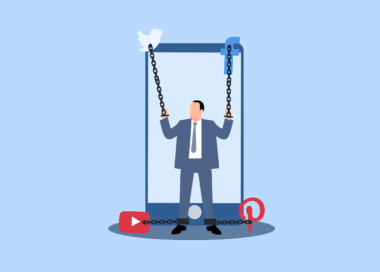
In today’s digital landscape, social media has transformed the way athletes promote their careers and engage with fans. However, this also brings numerous challenges that can significantly impact their mental health. The immediate feedback cycle can be both exhilarating and harsh, exposing athletes to constant scrutiny from fans, media, and peers. To navigate these complexities, athletes must cultivate resilience. One emerging strategy is developing a personal brand that aligns with their values. This includes sharing authentic content that resonates personally. Additionally, athletes can set boundaries to limit screen time and reduce exposure to negativity. By controlling their social media environment, they can focus on more positive interactions. Social media can also be harnessed to foster community support. Engaging with other athletes who experience similar pressures can create a sense of camaraderie. Overall, embracing these strategies can help athletes find balance while effectively managing the emotional toll that social media presents in their athletic journey. The result is a healthier mindset and more resilience in the face of online challenges.
Moreover, establishing a routine for social media engagement is crucial for optimizing its usage. Athletes can designate specific times during the day for checking social media, which helps prevent excessive distractions. Incorporating mindfulness techniques into their routines can also improve emotional regulation. Engaging in practices such as meditation can help athletes center themselves before or after intense competitions. Understanding the psychological effects of negative comments or harmful content is vital. Athletes should develop mental strategies to mitigate these impacts, such as cognitive restructuring. This technique involves reframing negative perceptions by focusing on positive affirmations instead of criticism. In addition, maintaining offline connections with teammates and family ensures a supportive network is always available. This balance between online presence and real-life support is crucial for mental well-being. Athletes are encouraged to refrain from seeking validation through likes or followers, as this can lead to a detrimental cycle of self-worth connected to social media metrics. Encouraging self-reflection and self-compassion can foster a healthier mindset towards inevitable online pressures.
Implementing Support Systems
Another technique athletes can utilize is implementing support systems, both online and offline, to share their experiences. Support groups or forums can provide spaces for athletes to discuss their challenges and successes without fear of judgment. Finding mentors who understand these dynamics can also be beneficial. Mentorship can offer valuable insights and coping strategies, reinforcing resilience. Additionally, mental health professionals specializing in sports psychology can equip athletes with tools to manage anxiety or negative self-talk stemming from social media interactions. Regular check-ins with therapists can provide guidance and support tailored to each athlete’s unique journey. Athletes must prioritize mental health and position it as an integral component of their training regime. It should not become an afterthought or treated as less important than physical training. By addressing psychological needs, athletes can perform without distractions or emotional burdens. Alongside mental health professionals, utilizing resources like books, podcasts, or online courses about mental resilience can further enhance athletes’ coping strategies. Continuous learning and adaptation can drastically improve an athlete’s response to social media challenges.
Furthermore, athletes should consider the long-term effects of their digital footprint. Decisions made in the moment can have lasting repercussions, affecting contracts, sponsorships, or public image. Developing awareness around this subject encourages intentional posting and sharing choices. Incorporating a digital detox from time to time can also offer a necessary break from online pressures. Athletes can recharge mentally by stepping away, allowing them to return with a clearer perspective. During this detox, they can focus on training or personal growth without the social media noise. Cultivating interests outside of their sport can also enhance resilience. Engaging in hobbies offers a sense of accomplishment and can foster skills unrelated to athletics. This variety in their lives contributes to overall mental well-being. Encouraging creativity through arts, writing, or community service can have profound effects on their emotional state as well. Ultimately, athletes who maintain an identity beyond their sport are often better equipped to handle social media scrutiny, viewing it through a lens that does not solely define their worth. A well-rounded approach allows them to thrive despite challenges.
Engaging with Positivity
To further strengthen their resilience, athletes should focus on curating their social media feeds. Actively unfollowing negative influences or toxic accounts can help create a more supportive online environment. Surrounding themselves digitally with positivity and encouragement promotes a healthier mindset. Additionally, athletes can leverage their platforms to spread positivity to others. Sharing uplifting experiences, motivational quotes, and success stories can foster a sense of empowerment within the sporting community. Acts of kindness towards fellow athletes can serve to boost morale collectively and counteract negativity. Positive engagement can also be a tool for accountability, motivating athletes to stay committed to their goals while uplifting one another. Establishing social media challenges focused on well-being or team bonding can enhance community connections further. By participating in these activities, athletes can become advocates for mental health awareness and promote healthy practices. Creating space for meaningful conversations can build connection and resilience. It’s essential to remember that everyone experiences struggles, and openly discussing them facilitates understanding and empathy within the athlete community, collectively nurturing a supportive atmosphere.
In conclusion, navigating the complexities of social media is a task that requires intention and strategies. Athletes face various pressures that can affect their mental health profoundly. However, by implementing techniques to build resilience, they can manage these challenges effectively. Leveraging professional support, establishing healthy boundaries, engaging in mindfulness, and fostering community support forms a powerful combination against negative influences. Each athlete must acknowledge their unique needs and work towards holistic well-being. It’s essential to prioritize mental health alongside physical training. Conscientiously curating their social media presence while focusing on promoting positivity can enhance mental resilience. Over time, these skills will empower athletes to thrive professionally and personally, regardless of external pressures. By prioritizing mental health and resilience, athletes can create a fulfilling balance between their careers and personal lives. Their ability to withstand pressures is directly linked to consistent self-growth, support systems, and healthy coping mechanisms. Ultimately, the journey of embracing resilience amidst social media challenges equips athletes with valuable life skills, preparing them for any obstacles they may encounter in and out of sport.
As the discussion on mental health continues to evolve, understanding the impact that social media has on athletes remains critical. Not only does it influence their performance, but it also shapes their public persona and self-identity. As the lines between their personal lives and public perception blur, it is crucial to implement positive coping strategies actively. Athletes must not only focus on their training but also invest in their mental health as an equally important aspect of their development. The journey of acknowledging their feelings and seeking help when needed fosters a culture of openness around mental health. Athletes can learn to navigate their digital environments better by engaging with their own experiences. Recognizing the importance of vulnerability and authenticity gives them an advantage in overcoming the psychological obstacles posed by social media. Moreover, as role models, their actions and approaches can influence younger athletes. By demonstrating resilience, they inspire upcoming generations to prioritize mental wellness, promoting long-term benefits for the sport. As the digital landscape evolves, athletes equipped with knowledge and support systems will be better prepared to handle the pressures of social media effectively.
Final Thoughts on Resilience in Sports
In summary, athletes must embrace resilience as an essential skill in today’s social media-driven environment. Developing tools to manage the emotional toll of social media interactions is critical for their long-term health and performance. Creating supportive online and offline environments allows athletes to thrive despite online pressures. Mental health is no longer just a side note; it’s a vital aspect of athletic development. Building a well-rounded identity apart from their sport ensures their emotional well-being remains intact amidst scrutiny. Encouraging open discussions about mental health issues not only fosters resilience but also cultivates understanding within the sports community. Athletes should empower each other and work collaboratively towards creating a space where mental health is prioritized. Engaging in practices that promote self-reflection, mindfulness, social connectivity, and personal growth can transform how athletes perceive challenges related to social media. Ultimately, those who actively cultivate these resilient habits will emerge stronger and equipped to navigate their sports career and life beyond the field. As we reflect on these essential techniques, we envision a brighter future for athletes in an increasingly digital world.