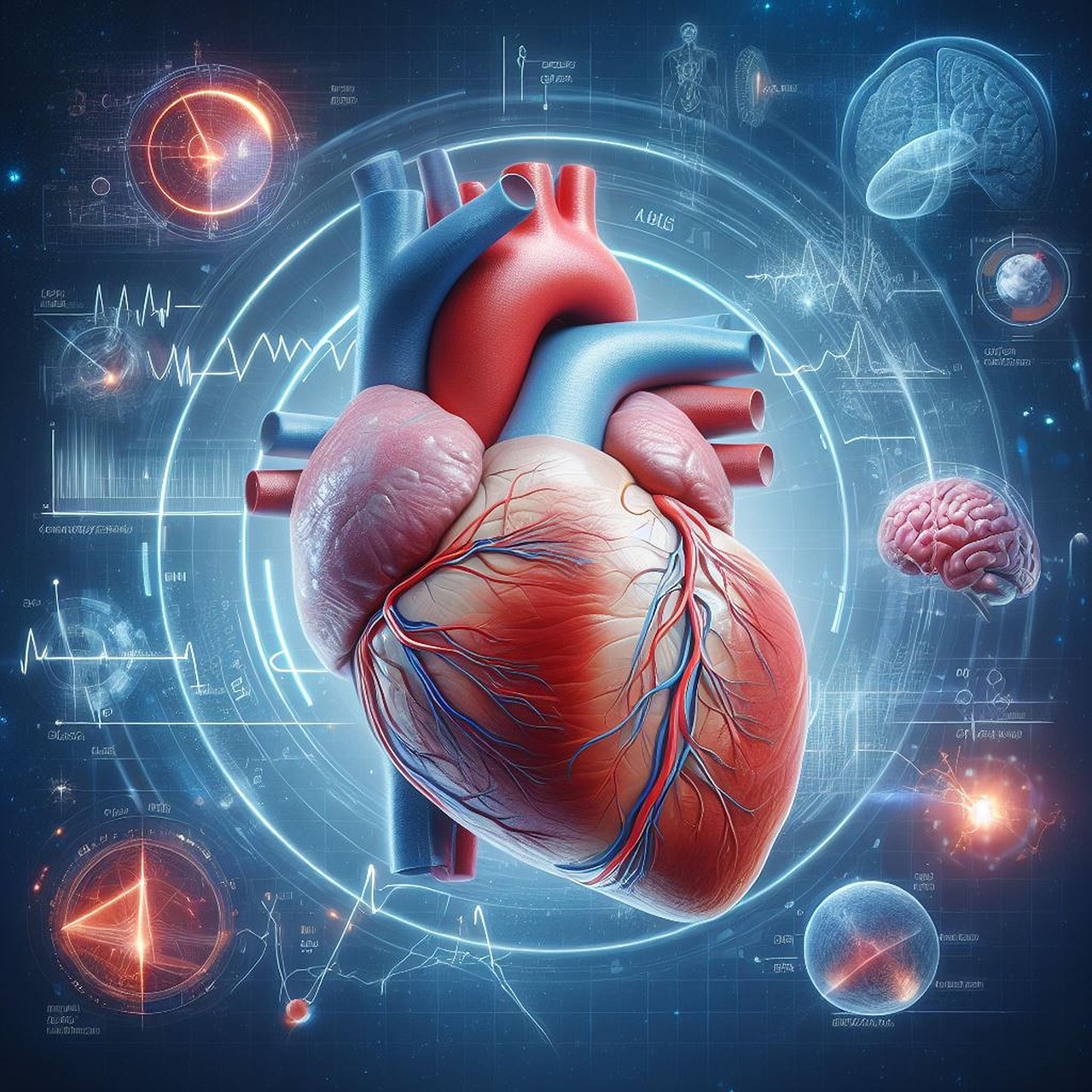

Tracking Heart Rate Improvements During 10K Cardiovascular Training
Monitoring heart rate during your 10K training is essential for improving cardiovascular fitness. By tracking your heart rate, you can determine how your body responds to different training intensities, allowing you to adjust your workouts for optimal performance. Start by investing in a reliable heart rate monitor, which could be a chest strap or a wrist-based tracker. These devices provide real-time data to help you stay within your target heart rate zones while training. Understanding these zones will allow you to improve efficiency and endurance. There are generally three heart rate zones: the aerobic zone, anaerobic zone, and the maximum effort zone. Each zone focuses on different aspects of your cardiovascular fitness. It’s also crucial to warm up before attempting to reach higher heart rates; a proper warm-up prepares your muscles and cardiovascular system for the stress of running. By keeping a training log to record your heart rate and perceived exertion levels, you’ll be able to identify patterns over weeks and adjust your training plan. This consistent heart rate tracking will lead to significant improvements in your 10K performance.
As you continue to train for your 10K, it’s essential to establish a structured plan that incorporates various running workouts. These workouts should include long runs, tempo runs, intervals, and recovery runs. Long runs help build endurance, allowing you to cover the distance more comfortably when race day arrives. Tempo runs, on the other hand, improve your lactate threshold, enabling you to sustain faster paces. Meanwhile, interval training helps boost your speed and efficiency. Balance these sessions with recovery runs to promote adaptation, which in turn leads to better heart rate improvements. It’s advantageous to use your heart rate monitor to ensure you’re training within the right zones for each workout. For example, during easy or recovery runs, aim for 60% to 70% of your maximum heart rate. For tempo runs, you should push to 80% to 90% of your maximum heart rate, while intervals should reach 90% and above. This comprehensive approach will lead to enhancements in your overall cardiovascular fitness, alongside other benefits, such as weight management and improved mood.
The Importance of Recovery and Adaptation
Another critical aspect of your training plan is understanding the importance of recovery. Adequate recovery helps in reducing the risk of overtraining, allowing your body to adapt and make the necessary improvements in cardiovascular fitness. After each hard training session, your heart rate will take time to return to its resting level, and tracking this recovery can provide insights into your fitness levels. To facilitate recovery, ensure you incorporate rest days into your schedule. This could include complete rest or low-impact activities such as cycling or swimming. Proper nutrition plays a significant role in recovery; prioritize a diet rich in carbohydrates, proteins, and healthy fats. Hydration is equally essential; be sure to drink ample fluids before, during, and after workouts. Furthermore, consider techniques such as foam rolling or massage to alleviate muscle soreness and tension. As your training progresses, you should observe improvements in your heart rate recovery time. This adaptation indicates beneficial changes in your cardiovascular system, demonstrating that you are becoming more efficient in your training.
Another effective strategy to optimize heart rate improvements during your 10K training is to utilize cross-training. Engaging in activities other than running provides a break from the impact stress of running while enhancing overall cardiovascular fitness. Choose low-impact exercises such as cycling, swimming, or rowing, which will enable you to maintain or even raise your heart rate without over-stressing your joints. Cumulatively, these sessions add valuable cardiovascular gains and help develop other muscle groups, ultimately benefiting your running performance. Incorporate cross-training into your weekly schedule, ensuring it complements your running workouts. For instance, you might do a longer swim or cycling session on a day after a hard run. This will allow your legs to recover while still improving your aerobic capacity. Furthermore, it’s an opportunity to enjoy variety in your workouts, which can help maintain motivation and prevent burnout. Utilizing cross-training based on heart rate data can provide useful insights into your fitness progress, leading to more informed training decisions as you head toward your goal of completing a 10K race.
Mindfulness and Academic Approaches
In addition to physical training, incorporating mindfulness techniques can enhance your cardiovascular fitness journey. Mindfulness practices, such as meditation or focused breathing exercises, can help reduce stress and improve concentration during workouts. When you’re less stressed, your body can respond more efficiently to training demands, leading to better heart rate improvements. Meditation can be done after your runs or even on rest days; it only requires a few minutes to cultivate relaxation and focus. This mental clarity will translate to more productive training sessions. Furthermore, consider keeping a training journal where you can jot down your thoughts, feelings, and any data from your heart rate monitor. Reviewing this log can help identify both mental and physical trends that may impact your training plan. By combining physical training with mindful approaches, you nurture both your body and mind. This holistic view not only prepares you for your 10K but also establishes a healthier relationship with your training, promoting long-term success in your fitness journey.
Your heart rate is an excellent indicator of your progress, helping you gauge workout intensities during your 10K training. Paying close attention to heart rate data allows you to adjust your training plan based on personal progress and how your body reacts to various intensities. The ultimate goal is to improve your cardiovascular efficiency, pushing fitness levels higher while mitigating the risk of injuries. Analyzing your heart rate during long runs, tempo sessions, and intervals can confirm which sessions are most effective for your adaptation. Remember to consider your perceived exertion, which can be as vital as heart rate data. Over time, you might discover that you can maintain faster paces at lower heart rates, a sure sign of improved fitness. With this feedback, you can refine your training plan and potentially tailor it to personal strengths and weaknesses. It’s crucial, however, to be patient as adaptations take time, so ensure you’re not pushing too hard too quickly. By combining heart rate awareness with mindful training adjustments, you lay the foundation for a successful and enjoyable 10K endeavor.
Conclusion: Achieving Heart Rate Goals
In conclusion, tracking heart rate during your 10K training is fundamental for enhancing your cardiovascular fitness. Observing trends in heart rate data helps you define your training goals and adjust plans accordingly. Each element of your training—whether it be runs, cross-training, or recovery—contributes collectively to achieving your desired outcomes. Keep in mind that patience and consistency are paramount in this process. Embrace the journey and remain open to adjustments along the way based on your heart rate responses. Regularly review your training logs to celebrate small victories, monitor your progress, and stay motivated. As your cardiovascular fitness improves, enjoy the increased endurance and speed, ultimately leading to improved race-day performance. Throughout this journey, ensure you listen to your body; recognizing when you need additional rest or adjustments is equally vital. With determination and the right strategies in place, you can achieve your heart rate goals and feel confident stepping up to the starting line of your 10K race.
Good luck with your training, and remember that heart rate management is just one piece of the puzzle. By maintaining a well-rounded, informed approach, you can achieve the fitness levels you’ve always aspired to! Always celebrate your journey, stay focused, and know that every effort counts towards your ultimate goal!