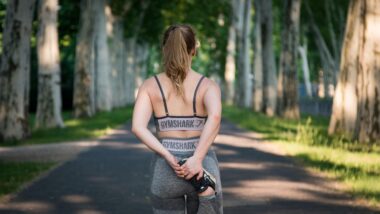

Bodyweight Strength Training Tips for Better Golf Swings
Improving your golf swing is essential for better performance on the course. One effective way to enhance your swing is through bodyweight strength training. This type of training doesn’t require any equipment, making it accessible for everyone. Begin by focusing on core exercises, as a strong core contributes greatly to stability and power during your swing. Planks and side planks are excellent starting points. They help develop essential muscle groups that support your movements. To perform a plank, ensure your body is straight, support your weight on your forearms and toes. Begin with holding the position for 30 seconds and gradually increase. Additionally, consider incorporating bodyweight squats into your routine, as they help develop the leg strength necessary for generating maximum power. Stand with feet shoulder-width apart and lower your body as if you were sitting back into a chair, then rise back up. This movement not only strengthens your legs but also improves balance and coordination. Consistently practicing these exercises can lead to improved mechanics in your golf swing and ultimate performance in your game.
As you advance in your bodyweight strength training, pushing yourself further will yield better results. Explosive movements can significantly enhance your swing by improving your speed and agility. Try incorporating jump squats into your workouts. Start with your feet hip-width apart, and squat down before exploding upwards, landing softly back into the squat position. This motion mimics the dynamic strength required in a golf swing, creating powerful muscle memory. Furthermore, consider practicing lunges, varying the depth and angle for a full range of motion. Lunges engage your glutes and hips, which are critical when transferring power during a swing. For a comprehensive workout, perform a circuit that alternates between these explosive movements and stability exercises like single-leg balances. Stability is key in maintaining control during your swing. Always pay attention to your form; injuries can set you back. Finally, ensuring you warm-up is crucial to prevent injuries. Spend at least ten minutes before each session to get your muscles prepared. Maintain consistent effort, and you will notice progress in not only your strength but your overall golf game as well.
Building Upper Body Strength
A powerful golf swing starts from the ground up, but upper body strength is equally important. Developing strength in your arms, shoulders, and chest can lead to increased swing speed and accuracy. Push-ups are a fantastic bodyweight exercise for building upper body strength without any equipment. You can modify them if needed by dropping to your knees, focusing on maintaining a straight line from your head to your knees. Start with three sets of 10-15 reps. To further target your shoulders, practice tricep dips using a sturdy chair or bench. This movement will strengthen your triceps, aiding in follow-through during your swing. Another effective upper body movement is the inverted row using a sturdy table or railing. This exercise emphasizes your back muscles, critical for maintaining posture throughout your swing. Remember to keep proper alignment and avoid arching your back. Additionally, you can incorporate rotational movements with your upper body. Consider incorporating medicine ball slams into your routine, although this requires a heavy ball, it mimics the rotational aspect of golf. Start slow, focusing on technique, and gradually intensify your workouts.
Flexibility plays a pivotal role in maximizing your golf performance as well. Dedicate time to perform stretching exercises that enhance your range of motion. Dynamic stretches, such as torso twists and arm circles, can be done pre-workout to warm up and prepare muscles for the demands of strength training. After your workout, static stretches become essential for recovery. Focus on major muscle groups like the hip flexors, hamstrings, and shoulders to optimize flexibility. Improved flexibility allows for a fuller range of motion, leading to better swing mechanics. Incorporate yoga into your fitness routine for added flexibility benefits. Poses such as downward dog, pigeon pose, and seated forward bend can deepen your stretches. These help alleviate muscle tension, making your body more responsive during your swing. Remember, consistently evaluating and improving flexibility is as important as strength gains. Staying committed to both flexibility and strength training through bodyweight exercises will not only enhance your performance but also reduce the risk of injuries. Make sure to listen to your body and respect its limits throughout the working process.
Endurance and Conditioning
Alongside strength training, developing endurance is crucial for a golfer. Muscular endurance impacts how long you can maintain strength during rounds. Start by integrating bodyweight exercises into circuits with high repetitions and minimal rest. For example, create a circuit that includes push-ups, squats, lunges, and planks. Perform each exercise for 15-20 repetitions, then rest for 30 seconds, repeating the circuit multiple times. As you build strength and endurance, gradually increase the number of circuits you complete. Consider adding plyometric movements, such as burpees, to elevate your heart rate and improve conditioning levels. This powerful exercise not only develops strength but also boosts aerobic capacity, essential for those long rounds of golf. Aim for at least three conditioning sessions each week to see significant progress in your physical stamina. Also, encourage recovery days in your routine. Adequate rest ensures your muscles repair properly, leading to continuous improvement. Incorporate light activity, such as walking or cycling, on recovery days to promote blood flow while allowing your body to recuperate. This balance between strength, endurance, and recovery is key to an effective golf performance.
Nutrition is a significant aspect often overlooked by golfers honing their skills. To improve strength training and overall performance, focus on fueling your body with the right nutrients. A well-balanced diet containing carbohydrates, proteins, fats, vitamins, and minerals is essential. For muscle recovery after workouts, ensure an adequate intake of protein-rich foods like lean meats, fish, eggs, and plant-based options. Carbohydrates serve as your energy source, so include whole grains, fruits, and vegetables. Hydration shouldn’t be neglected, especially during training sessions and game days. Water plays a crucial role in maintaining performance levels and prevents fatigue. Keep a water bottle handy and take frequent sips throughout your day. Consider additional sources of electrolytes during practice to replenish what you lose through sweat. As you advance in your bodyweight strength training, staying mindful of nutrition can significantly impact your performance. A well-structured meal plan that complements your training regimen will not only enhance your results but also improve your overall wellness. This holistic approach is vital for achieving the best outcomes in your golf game.
Conclusion
In conclusion, improving your golf swing through bodyweight strength training can transform the way you play the sport. Incorporating exercises targeting various muscle groups helps you build strength, flexibility, and endurance. Remember that a strong core, legs, and upper body are all essential for a powerful swing. Make sure to focus on explosive movements and stability exercises as they simulate the dynamic nature of a golf swing. Flexibility cannot be overlooked either; it’s vital for ensuring a full range of motion during your swing. A commitment to endurance and conditioning will elevate your performance levels significantly. Coupling your training with proper nutrition enhances your body’s recovery and energy levels. Also, be consistent in monitoring and adjusting your workout routine to tailor to your performance goals. Lastly, don’t forget to incorporate rest days to allow muscle recovery. Consistent practice of these bodyweight strength training principles will lead to noticeable improvements in your golf game. Stay dedicated, and you will see significant changes in both your skills and enjoyment of golf. Good luck on your journey to becoming a better golfer!
Proper guidance and support are vital when developing a sustainable fitness plan for golf. Seek advice from fitness trainers who specialize in golf fitness. They can help craft a personalized program that meets your specific needs. Incorporate strength and cardio, focusing on your weaknesses to enhance your overall performance. You might also consider working with a golf coach to refine your swing techniques while you improve your physical strength.