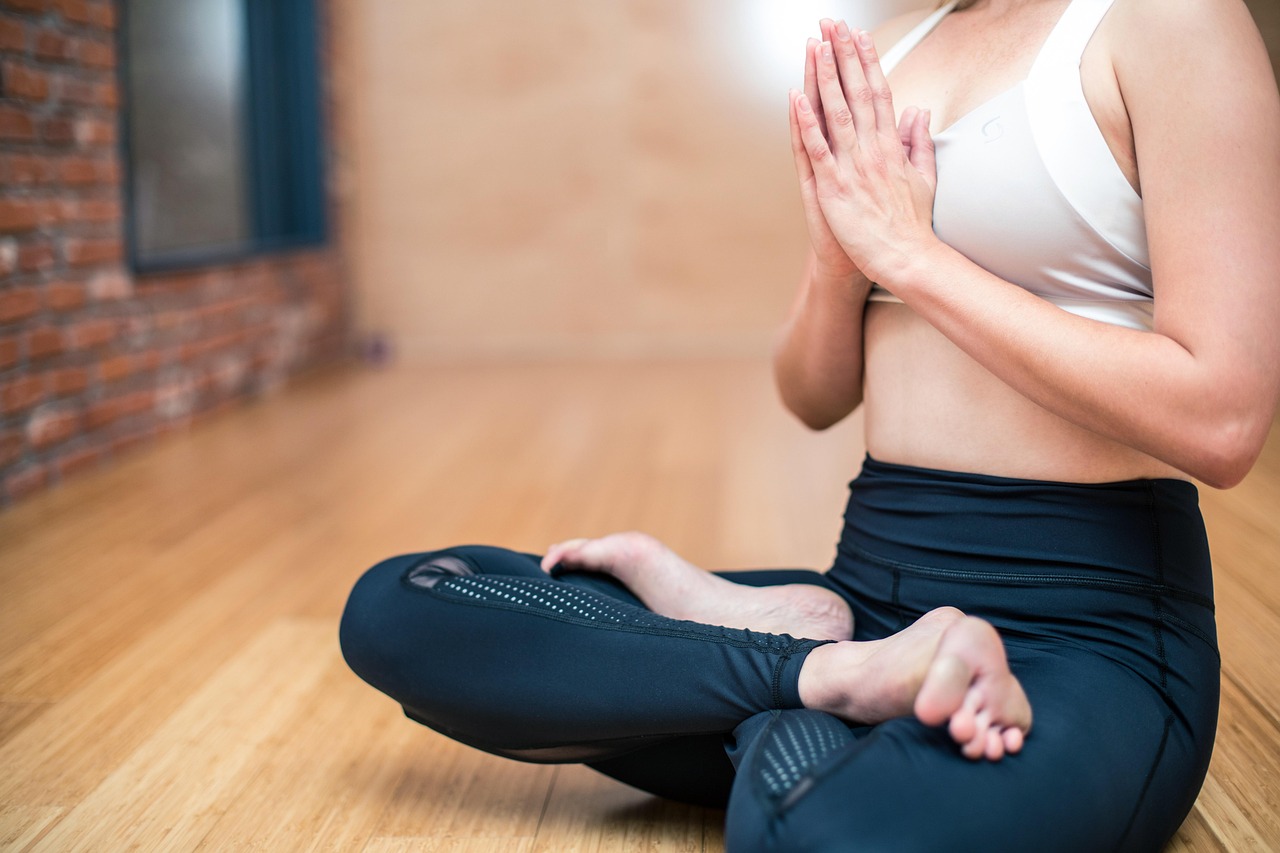

Combining Yoga and Mobility Training for Holistic Fitness
Yoga serves as a powerful antidote to the sedentary lifestyle prevalent in modern society. It encourages flexibility and mobility while promoting mental clarity and emotional stability. Incorporating mobility training with yoga creates a comprehensive approach to overall fitness. Mobility training emphasizes the intentional movement of joints through various ranges of motion. This combination of yoga and mobility drills facilitates enhanced physical performance and reduces the risk of injury. By integrating both disciplines, practitioners can improve flexibility while addressing strength and control. It’s essential to understand the interconnectedness of body parts in movement, enabling comprehensive development. Moreover, cultivating body awareness through yoga helps athletes and fitness enthusiasts refine their techniques. Engaging in a regular yoga practice provides crucial benefits, including enhanced muscle elasticity, improved joint function, and greater overall agility. Therefore, blending yoga with mobility training allows individuals to harmonize their physical capabilities and achieve a balanced workout routine. It’s not merely about stretching but about fostering a deeper engagement with one’s body. This synergy drives optimal performance in various activities, from sports to everyday tasks, emphasizing the importance of balanced fitness.
To effectively merge yoga and mobility training, consider a structured approach, beginning with warm-ups that promote joint health. Dynamic stretches and controlled movements can activate the muscles while preparing them for more extensive yoga postures. Focus on connecting breath with movement to increase awareness and enhance the flow of practice. Specific yoga poses can significantly contribute to mobility gains, such as lunges, deep squats, and twisting postures. Each of these engages multiple muscle groups and challenges stability. When executed consistently, they help increase functional flexibility. Also, incorporating resistance training into your routine can boost strength as well, driving improvements in joint stability. As mobility brings greater ease in executing yoga poses, it aids in achieving deeper mala alignment and postural integrity. Think of yoga as the foundation for mindful movement, promoting long-term benefits. Practicing mindfulness in both mobility training and yoga encourages patience with the process while celebrating small victories. Additionally, balance on stability balls or in yoga poses further enhances coordination and strength. Don’t forget to include body-weight exercises that boost overall performance and support your mobility and flexibility goals.
Essential Yoga Poses for Enhancing Mobility
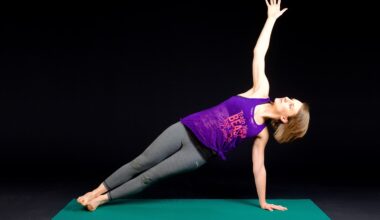
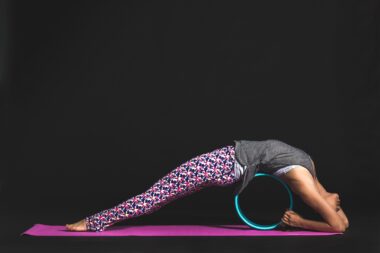
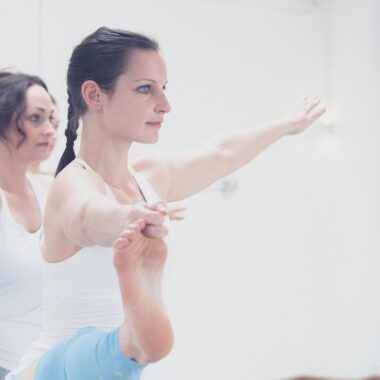
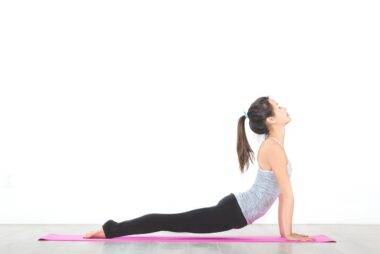
In implementing yoga for flexibility and mobility, consider essential yoga poses that serve specific functions. For example, the Downward Dog is an excellent pose that stretches the entire back, hamstrings, and calves while facilitating mobility through the shoulders. Similarly, the Pigeon pose is vital for hip flexibility and promotes a greater range of motion in the pelvis. Warrior poses, such as Warrior II, assist in engaging different leg muscles while enhancing joint stability. Incorporating these poses into routine sessions supports effective movement patterns. Furthermore, many practitioners find that maintaining a calm focus during poses can result in more profound physical benefits. Each pose encourages slowing down, allowing the muscles to adapt and lengthen naturally. It’s vital to hold poses for an extended time to reap their full benefits. With consistent practice, not only will flexibility improve, but muscle memory also contributes to future performance. Additionally, activating the core during yoga can aid in maintaining proper postural alignment. Use yoga props such as blocks or straps to help you get into these poses, especially if you’re working through discomfort or limited flexibility.
You can enhance your mobility training with dynamic stretches and mobility exercises before or after your yoga practice. This combination primes the body for movement, preventing stiffness after static holding of yoga poses. Movements like leg swings and arm circles promote blood flow while allowing each joint to rotate through its full range of motion. Moreover, using foam rollers during post-workout sessions can alleviate muscle tightness while supporting deeper stretches in yoga. By following thoughtful routines, one can maximize their flexibility gains. This intentional practice can cultivate a proactive approach to prevent injuries, particularly in high-impact sports or physically demanding jobs. As flexibility improves, daily activities become significantly easier, contributing to better overall functionality. Your body will thank you as movement becomes lighter and more fluid. Also, consider the impact of proper hydration and nutrition on muscle function. They both play an integral role in overall mobility. Listening to your body during these practices will guide you toward what works most effectively. Adjusting the intensity and adjusting your routines accordingly leads to tailored results, which are both sustainable and rewarding.
Mindfulness and Breathing in Flexibility Training
An often overlooked aspect of integrating yoga and mobility training is the role of mindfulness and breath control. Deep breathing techniques can enhance performance and ease tension, allowing practitioners to engage fully with their movements. In yoga, maintaining rhythm with breath promotes awareness and creates a sense of ease within challenging postures. By connecting breath with movement, practitioners can tap into their inner strength, providing mental fortitude during rigorous sessions. A conscious breath practice enhances the meditative aspect of exercises, encouraging relaxation between poses. Integrating mindfulness improves both focus and relaxation during strength-building drills. Mindfulness inspires practitioners to develop resilience while practicing mobility, fostering a positive mindset toward discomfort. This mental engagement can boost flexibility by removing psychological barriers that may affect performance. For example, many individuals hold onto tension within their muscles due to anxiety or self-doubt, which can hinder mobility. Embracing an open mindset towards change and progression allows space for improvement. Practicing regularly brings clarity and patience, counteracting frustration that sometimes arises. Ultimately, nurturing mindfulness bonds emotion with physical ability, empowering individuals in their holistic fitness journeys.
Incorporating both yoga and mobility training into your routine can also create a community aspect that enhances motivation. Engaging with others during group classes fosters a supportive environment where strength and flexibility can thrive. This connection encourages individuals to share experiences and tips, deepening their understanding of physical fitness. Clients can often experience quicker results when they have accountability and encouragement around them. Additionally, a sense of belonging helps in keeping motivation high, especially during challenging phases. As participants push through difficult poses or mobility drills, encouragement from peers can lead to collective growth. If you find it hard to join group classes, try finding virtual classes to keep that connection. Online communities and forums also serve as platforms for sharing goals and challenges, offering additional support outside of class. You can share progress and try new techniques, expanding your skills. The camaraderie built around shared fitness journeys fosters commitment and helps maintain motivation. Furthermore, receiving feedback from different perspectives aids in recognizing the importance of both yoga and mobility. Embracing this communal aspect enriches overall experiences, leading to a fulfilling fitness journey.
Conclusion on Yoga and Mobility Training
In conclusion, merging yoga and mobility training results in a well-rounded approach to flexibility and functional fitness. It emphasizes the significance of both disciplines, offering numerous benefits such as improved body awareness, overall strength, and flexibility. By harmonizing these practices, participants can cultivate a deep appreciation for their bodies and capabilities. Practicing yoga alongside mobility drills encourages dedication, patience, and ongoing progress. Celebrate milestones and recognize the physical improvements that come from consistency. Start incorporating these practices into your fitness routine for optimal benefits, and don’t hesitate to seek guidance from experienced instructors. They can help enhance your understanding of proper techniques and postures. Regularity is key to experiencing progressive improvements as flexibility takes time. Therefore, build routines that engage both yoga and mobility drills at least three to four times weekly. Additionally, be sure to listen to your body and perform sufficient recovery to allow muscle recovery. The synergy between yoga and mobility training contributes to a holistic self-care practice. This approach ensures longevity in fitness and a better quality of life. Take the time to explore the intersection of these two practices, leading to a fulfilling fitness journey.
Sequence of Practices
Ultimately, crafting a sequence that combines both yoga poses and mobility drills can provide a streamlined approach to your routines. Consider integrating them into your sessions to maintain a focus between both styles, where poses transition seamlessly into dynamic movements. A flow-based sequence allows for effortless movement, enhancing coordination and adaptability throughout your practice. For example, commence with mobility exercises that activate major joints, like hip openers or shoulder dislocates. Progress into yoga poses targeting specified muscle groups while consciously linking breath and movement. This structure fosters an awareness of transitions, allowing each movement to feel fluid while maintaining form and alignment. Pay attention to your body as it flows between these practices; pause when needed to avoid injuries or strain. Over time, this thoughtful integration creates a rich tapestry of strength and flexibility, contributing to a more balanced fitness experience. Additionally, tracking variations over time can highlight growth and develop personal accountability. Use a journal or digital platform to reflect on weekly progress. Consider sharing these insights with your fitness community for encouragement, creating a constant loop of inspiration and motivation.