
How Breathing Exercises Can Help Manage Stress
Stress is an inevitable part of life, affecting many individuals daily. It can arise from various factors, including work pressure, personal relationships, and daily responsibilities. Learning to manage stress is essential for overall health and well-being. One effective method to relieve stress is through breathing exercises. These exercises are simple yet powerful techniques that anyone can utilize to promote relaxation and mental clarity. By incorporating various breathing exercises into your daily routine, you can effectively reduce stress levels and improve your emotional health. Furthermore, practicing these techniques encourages mindfulness, helping you stay present and focused. Deep breathing techniques help lower heart rates, stabilize blood pressure, and instill a sense of calm. Various methods are available, including diaphragmatic breathing, box breathing, and 4-7-8 breathing. Each method offers unique benefits and can be tailored to fit personal preferences. Ultimately, finding a breathing technique that resonates with you can enhance your ability to cope with stress. Consider dedicating a few minutes daily to engage in these practices and observe the transformative effects they have on your stress levels.
Breathing exercises promote physical relaxation. When stress overwhelms us, our bodies often tense up, leading to discomfort and even health issues. These exercises activate the body’s relaxation response, counteracting stress-induced tension. Engaging in deliberate breathing allows the mind to focus on the process rather than external stressors. As you breathe deeply and slowly, oxygen levels in the body increase, which can improve overall function. Specific exercises emphasize full, conscious breaths to expand the lungs and maximize oxygen intake. As a result, you may experience improved cognitive function and decreased feelings of anxiety. Incorporating these methods into your daily rhythm ensures that you’re prepared to handle stressors better when they arise. Many people report feeling more energized and refreshed after completing a short breathing session. To enhance the effectiveness of these exercises, find a quiet space where you can practice undisturbed. Listening to calming music or nature sounds may also improve your experience. By integrating breathing exercises into your daily routine, you cultivate a heightened sense of self-awareness and promote resilience against daily challenges.
The Science Behind Breathing and Stress
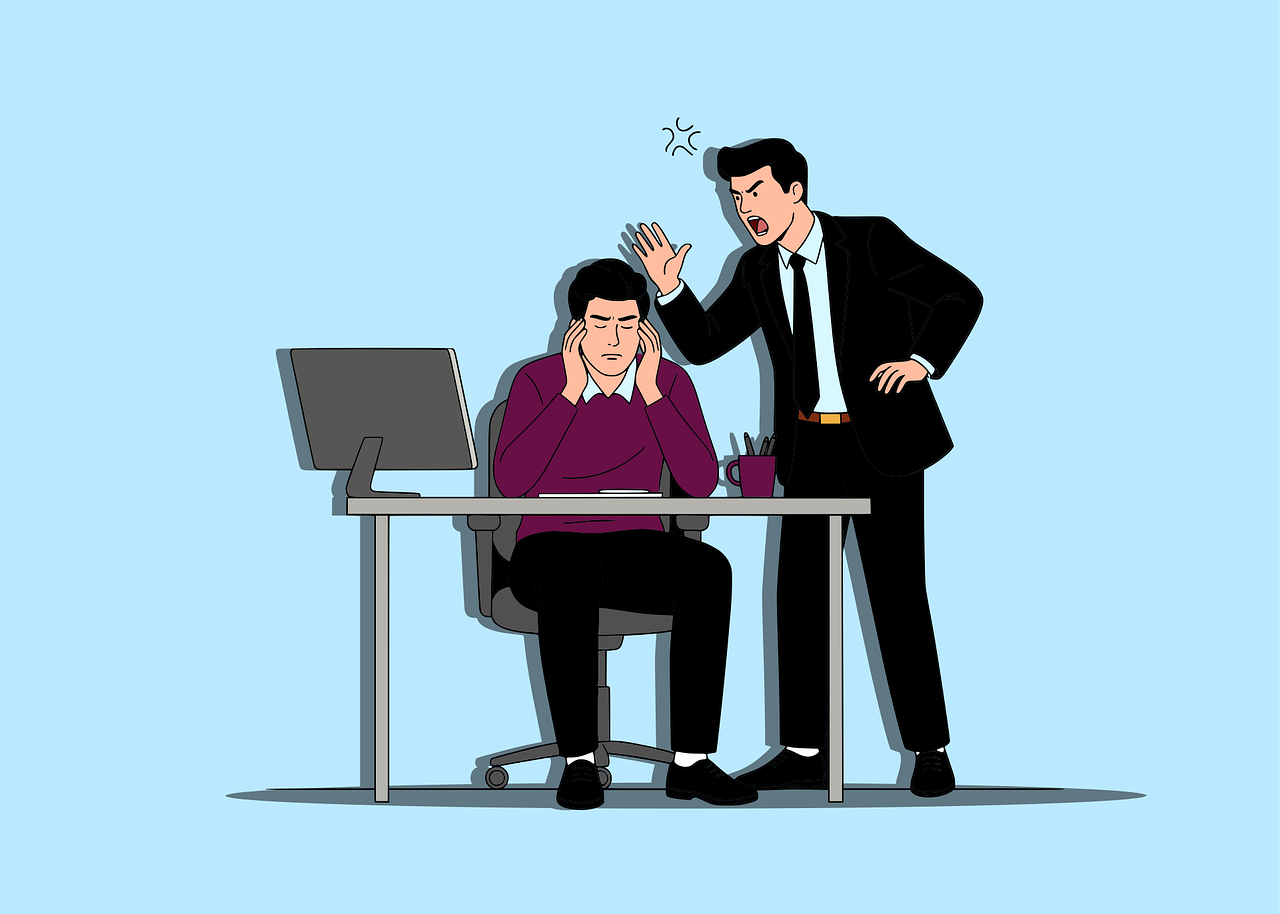
Understanding the science behind breathing exercises is vital in recognizing their effectiveness against stress. When under stress, the body responds by activating the sympathetic nervous system, creating the fight-or-flight response. This reaction causes rapid, shallow breathing, which exacerbates feelings of anxiety and depression. Conversely, controlled deep breathing pathways stimulate the parasympathetic nervous system or relaxation response. This process brings the heart rate and blood pressure back to normal levels while promoting a sense of calm. Breathing exercises teach individuals to restore their breathing patterns, effectively disrupting the negative cycle of stress. Research supports these claims, indicating that regular practice of such exercises can lead to measurable decreases in stress and anxiety levels. Additionally, they can foster physiological changes, including improved lung capacity and increased oxygen exchange. By committing time to different techniques, you can experience profound changes in emotional stability. Practicing these exercises during moments of heightened stress or as a part of routine can cultivate long-term benefits. The cumulative impact of such practices can lead to improved well-being, performance, and healthier coping mechanisms.
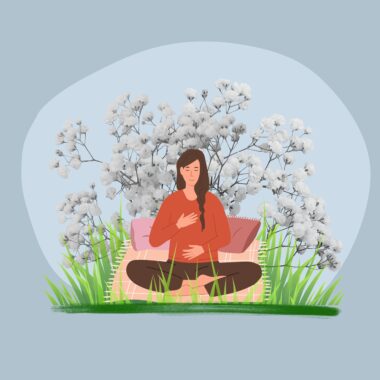
Various techniques within breathing exercises cater to individual preferences and experiences. Diaphragmatic breathing, often known as belly breathing, promotes full oxygen exchange by engaging the diaphragm fully during inhalation and exhalation. This breathing technique encourages long, slow breaths, helping you to become more relaxed and focused. Another popular method is box breathing, which entails inhaling for four seconds, holding the breath for four seconds, exhaling for four seconds, and pausing for four seconds before the next inhale. This rhythmic pattern can calm racing thoughts and help center the mind. Meanwhile, the 4-7-8 technique incorporates a slightly different pattern by inhaling for four seconds, holding for seven seconds, and exhaling for eight seconds. This practice has been shown to promote sleep and relaxation, particularly beneficial for those dealing with insomnia. Each of these methods can be adapted to fit into your lifestyle and preferences. Experimenting with different styles can help you determine which proves most effective for your stress management. By diversifying your practice, you promote engagement and long-term success with stress reduction.
Incorporating Breathing Exercises into Daily Life
To reap the benefits of breathing exercises, integrating them into your daily schedule is essential. Choosing a time when you can dedicate a few moments to practice can create a consistent habit. Many find it helpful to wake up a few minutes earlier in the morning or take a break during work hours for this purpose. Incorporation does not require lengthy sessions; even dedicated five-minute intervals can yield positive outcomes. Consider taking moments during hectic conversations or stressful situations to engage in these breathwork practices. Carrying mindfulness into your day can help you remain calm and collected. To enhance your practice, try incorporating reminders to prompt you to take breaks through notifications on your phone or sticky notes around your workspace. Engaging in structured programs, either through classes, apps, or online tutorials, can also ensure that you receive proper guidance. The key is to find what fits seamlessly into your life while creating an enjoyable experience. Over time, integrating these exercises will enable you to manage stress more effectively and develop a healthier relationship with life’s challenges.
Breathing exercises not only benefit emotional health but also enhance physical well-being. Improved oxygen delivery to your organs and tissues promotes better overall health while reducing tension on muscles due to stress. Regular practice fosters a stronger mind-body connection, making it easier to recognize when stress begins to build. Furthermore, learning to control your breath during challenging moments enables you to regain composure and enables better decision-making. Individuals who regularly practice these techniques often report improved sleep quality, energy levels, and reduction in chronic pain issues often exacerbated by stress. This underscores the comprehensive advantages of breathing exercises. Consistency is key; establishing a regular routine ensures the full range of benefits. Living a life with reduced stress leads to a more enjoyable and productive experience. As you become more adept at recognizing stress triggers, you can proactively employ breathing exercises to maintain balance. Engaging in these practices has transformative potential, establishing inner peace despite life’s unpredictability. Ultimately, breathing exercises serve as a vital tool in stress management, empowering you to embrace challenges with resilience and calmness.
Conclusion
In summary, breathing exercises serve as a practical and effective way to manage stress in our fast-paced lives. They enable individuals to regain control over their emotional states through conscious breathing practices. Embracing this approach addresses the superficial symptoms of stress, leading to more profound personal change and emotional resilience. By incorporating different techniques into your routine, you not only cultivate an enhanced ability to cope with stress but also promote long-term health benefits. The diverse applications of these exercises mean there is something for everyone, regardless of lifestyle or preference. Taking time out of your day to engage in these practices can lead to significant improvement in how you manage stress and handle daily challenges. Whether you are seeking greater calmness, improved focus, or simply a more balanced life, breathing exercises provide a path to explore. Start small and gradually increase your practice to adjust comfortably to these techniques. With dedication and persistence, you can harness the power of your breath and improve your overall well-being. Embrace breathing exercises today and take the first step toward a more relaxed future.