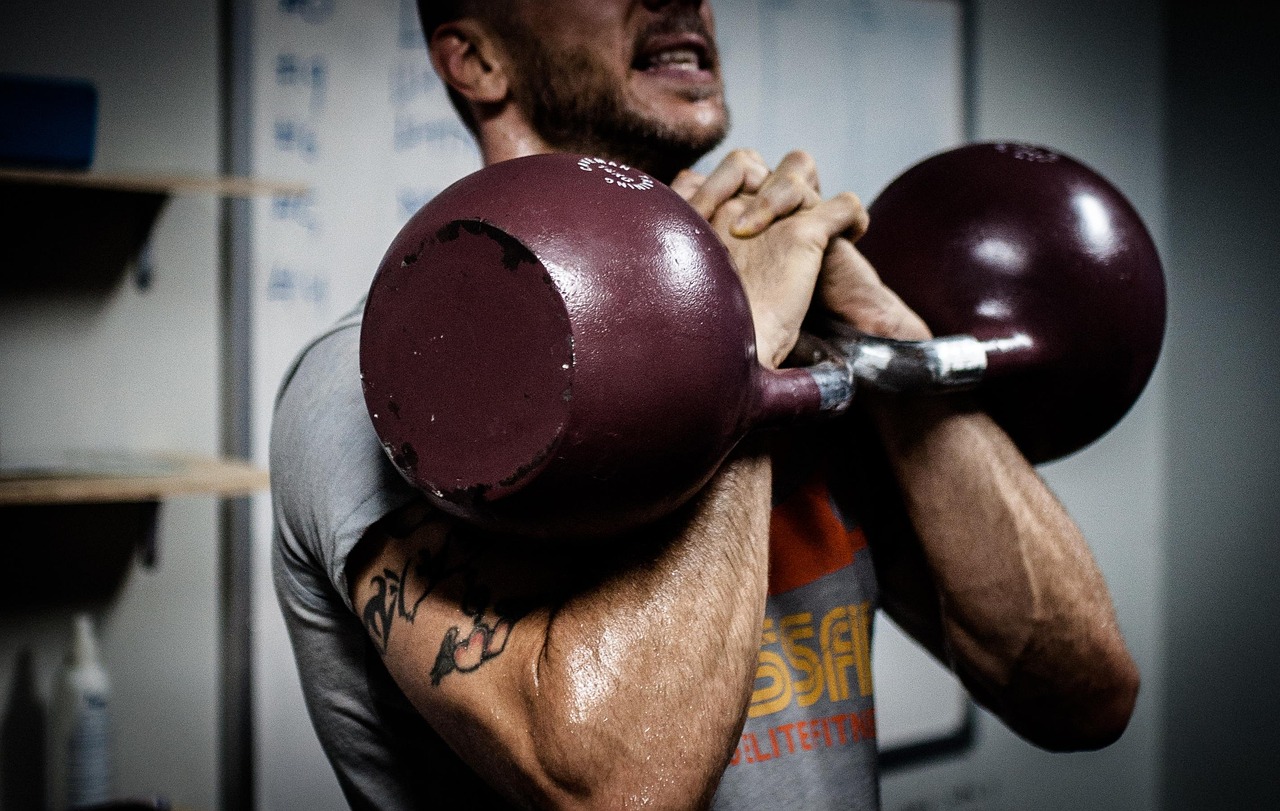

How Kettlebell Training Enhances CrossFit Endurance
Kettlebell training has gained significant attention in recent years, especially among CrossFit enthusiasts. The benefits of incorporating kettlebells into a CrossFit regimen are numerous and contribute positively to developing endurance. One major aspect is the dynamic nature of kettlebell exercises. They enhance cardiovascular endurance through high-intensity workouts, engaging multiple muscle groups simultaneously. When performing movements such as swings, snatches, or cleans, the body undergoes substantial aerobic conditioning. Additionally, these exercises require stabilization and balance, further boosting core strength. By integrating kettlebell training, athletes can improve their overall performance in CrossFit competitions. Athletes who prioritize endurance can rely on kettlebell workouts to develop stamina while also preventing injury due to training variations. Instead of performing dull routines focused only on traditional weightlifting, kettlebells provide a creative and enjoyable element to workouts. Furthermore, kettlebells allow participants to tailor workouts according to individual preferences and specific goals. This not only keeps athletes motivated but also ensures that their training remains effective and diverse. Consequently, kettlebell training serves as a practical tool for CrossFit athletes aiming to enhance endurance while keeping workouts exciting.
The versatility of kettlebells makes them ideal for CrossFit training. With just one kettlebell, athletes can perform a wide array of exercises targeting different muscle groups. This flexibility aids in building endurance, as individuals can switch between strength and cardio-focused movements seamlessly. For instance, a kettlebell swing can transition to a Turkish get-up, keeping the heart rate elevated while working on muscular endurance. Furthermore, kettlebells encourage functional movements that mimic real-life activities, enhancing performance in daily tasks and sports alike. The incorporation of kettlebells also addresses the importance of grip strength for CrossFit athletes. Enhanced grip strength directly correlates to improved lifting and endurance capabilities. Strong grips allow athletes to maintain form during longer workouts, preventing fatigue and injury. The integration of kettlebells also fosters a sense of community among CrossFit participants, as many prefer group classes. In group settings, participants can engage in partner and team kettlebell exercises, promoting camaraderie and accountability. This social aspect can significantly enhance motivation, resulting in more sustained training commitment and progress toward endurance goals. Overall, kettlebell training provides a comprehensive approach to improving endurance within CrossFit training.
A crucial benefit of kettlebell training is its ability to develop metabolic conditioning. The high-intensity nature of kettlebell workouts ramps up metabolism, resulting in improved fat oxidation and energy expenditure during and after exercise. Participants experiencing higher metabolic rates can perform better during CrossFit workouts, enhancing their endurance significantly over time. For instance, kettlebell exercises such as the double kettlebell front squat or the overhead press engage various muscle groups, creating a powerful workout that also elevates heart rate. The combination of strength and aerobic training is essential in CrossFit, allowing athletes to excel in competitions that demand both power and endurance. Additionally, kettlebell workouts can be performed at different intensities, making them suitable for all fitness levels. Beginners can start with lighter weights and progress to heavier kettlebells as their strength increases. This scalability ensures that everyone can benefit from kettlebell training, leading to improved recovery and reduced injury risk. In time, participants develop a strong foundation, which is vital for tackling more advanced CrossFit routines. This inclusivity contributes to the appeal of kettlebells in the CrossFit community, promoting overall health and fitness.
Kettlebells and Cardiovascular Health
Incorporating kettlebell training into a CrossFit routine positively impacts cardiovascular health. The continuous, dynamic movements performed with kettlebells elevate heart rates, providing both anaerobic and aerobic conditioning during workouts. The heart becomes more efficient in pumping blood throughout the body, thus enhancing overall stamina and performance. This conditioning is particularly beneficial for CrossFit athletes, as it directly influences their endurance in high-intensity workouts and competitions. Additionally, kettlebell exercises often involve short bursts of activity followed by brief recovery periods, which mimic high-intensity interval training (HIIT). This style has been shown to improve cardiovascular health rates while also promoting efficient fat loss. Engaging in kettlebell training leads to better oxygen consumption, allowing athletes to push through challenging CrossFit workouts more effectively. Furthermore, cardiovascular fitness is linked to a reduced risk of stroke, hypertension, and heart disease. As kettlebell training becomes a staple in CrossFit regimes, the overall health of participants improves, supporting longevity and enhanced quality of life. So, not only do athletes train for performance, but they also contribute to their well-being through kettlebell exercises.
Another important aspect of kettlebell training is its impact on mental resilience and focus during CrossFit workouts. Engaging in challenging exercises requires mental fortitude, which translates to enhanced endurance levels. As individuals push through fatigue while performing kettlebell workouts, they learn to manage discomfort and remain focused. This mental strength is invaluable in CrossFit, where athletes may face demanding conditions during competitions. The discipline acquired through kettlebell training can lead to improved performance as athletes discover their capacity to endure high-stress situations. Additionally, kettlebell training can introduce an element of fun into workouts, helping to break the monotony often associated with traditional training. This enjoyable experience fosters a positive attitude towards fitness and encourages athletes to remain committed to their training. It also allows for creativity in developing workout combinations that challenge both physical and mental capabilities. As a result, athletes not only enhance their physical endurance but also improve their mental resilience. This dual focus on mental and physical development creates well-rounded athletes prepared to face any challenge in CrossFit or beyond. Ultimately, kettlebell training cultivates a holistic approach to endurance.
Conclusion: Kettlebell Training as a CrossFit Essential
In conclusion, kettlebell training serves as an essential aspect of CrossFit endurance programming. The blend of strength and cardio training offered by kettlebells enhances overall fitness while keeping workouts engaging and dynamic. Whether athletes are beginners or experienced competitors, kettlebells provide an effective means of improving endurance and stamina. Their versatility allows individuals to incorporate various exercises that target different muscle groups, promoting balanced development. Participants often find enjoyment in group kettlebell workouts, further enhancing commitment and performance through a sense of community. Moreover, kettlebell training fosters resilience and mental durability, preparing athletes for high-stress situations during competitions. The benefits for cardiovascular health cannot be overlooked, highlighting the importance of kettlebells in developing a strong foundation for overall fitness. As CrossFit continues to evolve, kettlebell training will undoubtedly remain a staple among athletes. By steadily integrating kettlebell exercises into their routines, athletes can elevate their endurance levels and compete effectively in the high-intensity environment of CrossFit. Thus, kettlebell training stands as a vital component in the journey to athletic excellence.
For CrossFit athletes seeking to improve their endurance, a comprehensive kettlebell training routine should be prioritized. This will include a variety of exercises, requiring not only strength but also agility and coordination. Setting specific goals and tracking progress will help maintain motivation over time. Structuring kettlebell workouts into circuits can also maximize efficiency, allowing participants to navigate through multiple exercises without rest. This approach keeps heart rates elevated while promoting muscular endurance. Furthermore, incorporating kettlebell training into a broader CrossFit regimen provides athletes with opportunities to measure progress, adjusting as necessary to ensure continuous improvement. Engaging fitness communities can prove valuable in this endeavor, as shared experiences and advice can further motivate individuals. Personal trainers specializing in kettlebell training can offer guidance tailored to individual needs, ensuring safe and effective workouts. As kettlebell training becomes more ingrained in CrossFit routines, athletes will undoubtedly experience gains in endurance, ultimately contributing to overall performance. Exciting variations and challenges will keep the training atmosphere lively and engaging. Embracing kettlebells as a staple in endurance training will lead to impressive results that can translate into competitive success.