
How to Build Endurance Through Shaolin Kung Fu
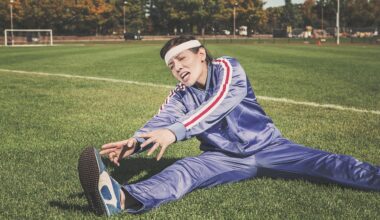
Building endurance is critical in martial arts, especially in disciplines like Shaolin Kung Fu. This ancient practice not only teaches self-defense but significantly enhances physical stamina and endurance. Training involves various techniques and forms that deeply engage different muscle groups. Among the fundamental exercises are running, stretching, and rigorous training routines. These elements develop cardiovascular strength, muscle endurance, and overall fitness. Moreover, Shaolin Kung Fu utilizes practices like breath control, which helps improve lung capacity during extended training sessions. This technique permits practitioners to perform physical tasks without experiencing fatigue. By incorporating a balanced training approach, including both aerobic and anaerobic exercises, students can boost their stamina levels. Additionally, nutrition plays a role; a balanced diet ensures the body has sufficient fuel to support long training. Proteins, carbohydrates, and healthy fats are essential to recovery and endurance. Shaolin Kung Fu not only transforms body strength and conditioning but also builds mental resilience. This discipline challenges both body and mind, making the practice comprehensive for building lasting stamina. Members often find themselves better equipped to handle stress both physically and mentally as a result of this holistic training approach.
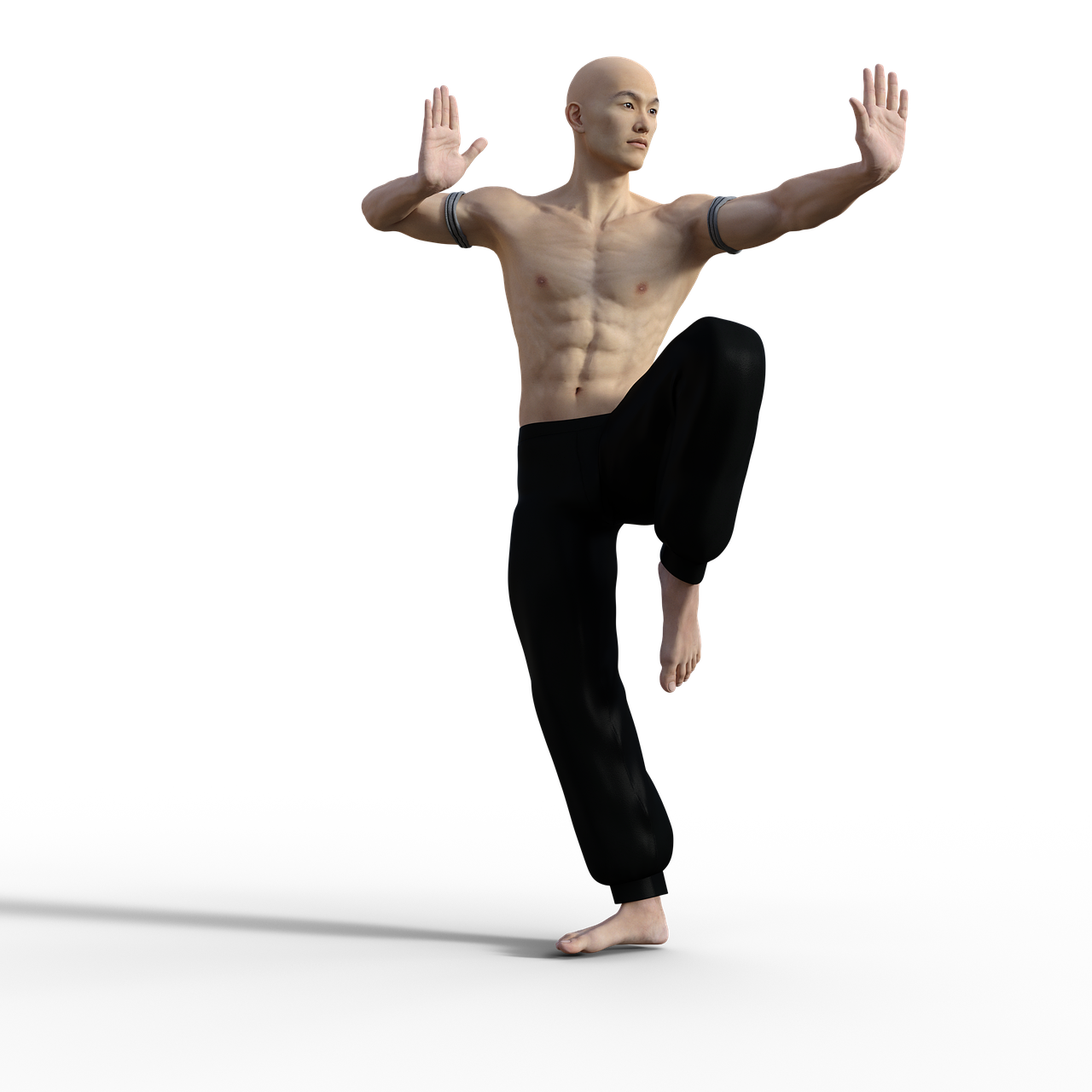
Consistency is key when it comes to endurance training in Shaolin Kung Fu. Practicing regularly assures ongoing strength development, improving both stamina and performance levels. A structured training regime helps build a solid foundation for physical conditioning. Incorporating different exercises keeps the training fresh and engaging, fostering continued interest. Diverse forms such as Iron Palm, animal styles, or traditional forms work on various muscle groups and enhance overall endurance. Furthermore, attending classes regularly not only provides the benefit of expert guidance but also promotes accountability. Training with others in a group setting enhances motivation and provides encouragement. Building endurance through Shaolin Kung Fu requires attention to form and technique, ensuring efficiency during practice. Practitioners must focus on precision and consistency in execution, which aids in developing muscle memory, eventually increasing stamina over time. Another effective endurance-building strategy is interval training, which involves alternating between bursts of high-intensity activity and recovery periods. This technique can enhance both anaerobic capacity and aerobic endurance, adopting a science-backed approach to training. Students will find that applying these principles in their training leads to exceeding previous performance benchmarks as their endurance begins to rise substantially.
Another important avenue for developing endurance is the implementation of breathing techniques. In Shaolin Kung Fu, breath control is essential in managing physical exertion. Techniques such as abdominal breathing enhance oxygen intake while reducing fatigue during practice. This method allows for better energy management throughout lengthy sessions. Practitioners learn to synchronize their movements with their breath, improving both efficiency and endurance. Meditative practices also support this aspect of training. Mindfulness and mental focus can significantly increase stamina by keeping practitioners mentally engaged and present. Visualization methods, for instance, can contribute positively to training sessions. Individuals can visualize completing longer sessions effectively, boosting their mental confidence and perception of their capabilities. Furthermore, emotional stability obtained through consistent practice supports overall stamina development. By nurturing the connection between the mind and body, Shaolin Kung Fu creates a cohesive framework for building endurance. Practitioners often notice a significant shift in their capacity to manage long training hours. Over time, the cumulative effect of breathing techniques leads to remarkable improvements in overall fitness. This unique blend of physical and mental conditioning reinforces the importance of breath in fatigue management.
Nutrition’s Role in Endurance Training
Nutrition plays a vital role in enhancing endurance while practicing Shaolin Kung Fu. The right diet fuels the body and supports recovery, ensuring practitioners can train effectively. Including macronutrients such as carbohydrates, proteins, and fats in appropriate ratios boosts endurance. Carbs are essential for energy, especially before intense training sessions. Complex carbohydrates, like whole grains and vegetables, provide sustained energy, making them ideal for those engaged in strenuous workouts. Proteins are crucial for muscle repair, as they help rebuild tissues after demanding training sessions. Lean meats, dairy, and legumes are excellent sources. Healthy fats are also beneficial, as they provide concentrated energy and aid in nutrient absorption. Staying hydrated is equally important in endurance training. Water supports various bodily functions, including temperature regulation and nutrient transport. Dehydration can severely impair performance. Practitioners should maintain fluid intake before, during, and after training to stay at peak performance. Moreover, incorporating fruits and vegetables into the diet provides essential vitamins and minerals needed for various bodily processes. This holistic approach to nutrition helps develop endurance, directly influencing one’s overall capacity to excel while practicing Shaolin Kung Fu.
In addition to nutrition, recovery is paramount to ensure sustained endurance in Shaolin Kung Fu. After intensive training, providing adequate rest and recovery for the body promotes performance improvement. Sleep, hydration, and proper nutrition play critical roles in this recovery phase. Sleep restores muscle tissues while processing energy levels, which helps maintain endurance during training. Practitioners should establish a solid sleep schedule promoting full recovery. Post-training meals rich in protein and healthy carbohydrates allow for faster muscle repair and glycogen replenishment. Integrating active recovery days into the training regimen enables practitioners to maintain their flexibility without overwhelming their bodies. During these periods, engaging in activities such as light jogging, stretching, or yoga can significantly aid recovery. Listening to the body is essential; recognizing the signs of fatigue can lead to adjustments in training intensity or frequency. This adaptability facilitates balancing training stress and recovery effectively. Additionally, activities outside training can aid in muscle relaxation. Techniques like massage or foam rolling help to alleviate soreness, ensuring muscles remain supple and ready for action. With these practices, practitioners will witness improved endurance over time, enhancing their Shaolin Kung Fu experience and performance levels.
The Mind-Body Connection
The mind-body connection holds significant importance in building endurance through Shaolin Kung Fu training. Mental focus enhances physical capabilities, enabling practitioners to push their limits. This connection is cultivated through martial arts practice, where physical actions necessitate keen attention and concentration. Meditation and mindfulness practices within Shaolin Kung Fu emphasize this relationship; the more a practitioner is in tune with their body, the better they can perform. Increased awareness of breath and movement leads to superior pacing, essential for endurance. By focusing on body signals, practitioners can detect early signs of fatigue, allowing for adjustments and better energy management. Moreover, this connection fosters resilience, enabling practitioners to overcome challenges during lengthy training periods. Knowing how to manage mental fatigue alongside physical tiredness becomes crucial in endurance enhancement. Visualization techniques bolster this concept, as imagining successful performance creates confidence and aids in mental preparation. Practitioners learn to mentally traverse through various forms and techniques, reinforcing stamina during execution. This heightened mental engagement ultimately leads to tangible improvements in physical endurance. A well-rounded training plan emphasizing both mental and physical training proves beneficial for anyone looking to strengthen their endurance capabilities.
In conclusion, building endurance through Shaolin Kung Fu is a multifaceted process involving diverse training aspects. By aligning techniques, nutrition, rest, and mental strategies, practitioners can enhance their performance significantly. The key elements highlighted throughout the article, such as consistent practice, breath control, nutrition, and recovery strategies weave together to create a holistic training approach. Engaging actively in practice fosters physical resilience and aids in developing mental fortitude, crucial in martial arts. The introduction of breathing techniques and active recovery days seamlessly merges physical conditioning with enhanced performance. Additionally, fostering a positive mindset emphasizes the mind-body connection vital for achieving enduring success in training. Over time, practitioners will notice improved stamina, enabling them to tackle longer and more challenging training sessions in Shaolin Kung Fu with confidence. This endurance building process paves the way for reaching higher levels of accomplishment in martial arts. Ultimately, dedication to practice paired with the right techniques will yield amazing results. Embrace this journey in Shaolin Kung Fu; the benefits extend beyond physical fitness, enabling a profound transformation in overall well-being and mental strength.
Integrating these principles into a training routine not only builds endurance but also instills discipline and resilience, vital for martial artists. Practitioners will realize the interdependence between physical capabilities, mental conditioning, and dietary choices. These factors together shape a practitioner’s journey in Shaolin Kung Fu, creating a comprehensive preparation plan. As training advances, adapting techniques and learning from experiences, practitioners can continue to improve endurance over time. Ensure to use each training opportunity as a learning experience. Reflecting on progress points reveals areas for further enhancement and understanding. Continuous adaptation to changing demands will keep training relevant and impactful. The journey in Shaolin Kung Fu offers numerous rewarding experiences as practitioners unleash their full potential over time. The integration of endurance training solidifies a robust foundation for those aspiring to mastery in martial arts. The multifaceted benefits presented inspire long-term commitment to practice. Ultimately, practitioners will find that building endurance is part of a larger goal of self-improvement and mastery in Shaolin Kung Fu, enhancing their overall journey in martial arts.