
Learning to Skate Backwards with Confidence
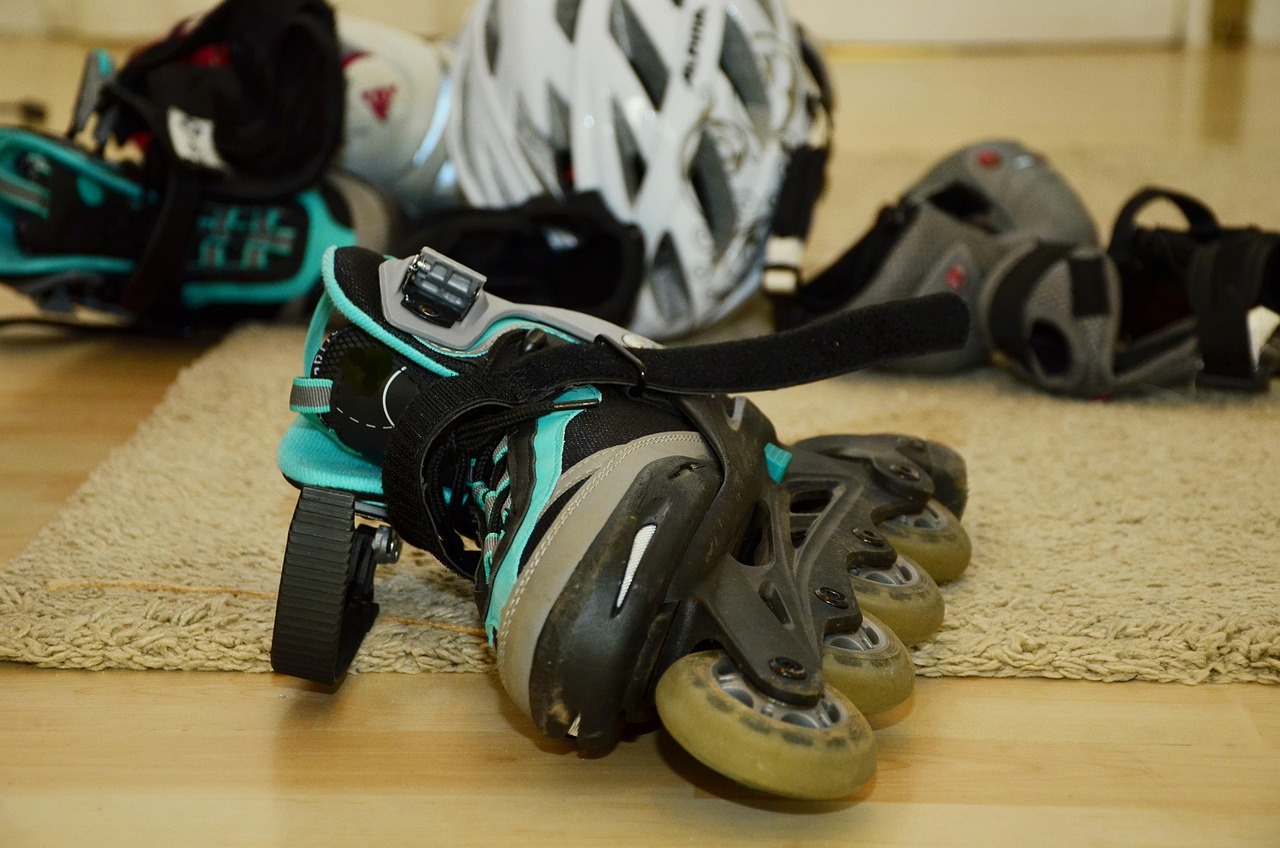
Skateboarding and inline skating are beloved activities, bringing joy and excitement to many. Learning to skate backwards is an exciting challenge, offering a new perspective as you glide along. This skill enhances your coordination and balance significantly. To begin, ensure you have the right equipment: rollerblades or skates that fit well, along with protective gear like a helmet, knee pads, and wrist guards. These items will help increase safety as you practice. Start by mastering your forward skating technique, then choose a flat surface for initial practice. Having a smooth area free from obstacles will allow for greater focus on developing your backwards skating skills. When you’re comfortable with forward movement, begin to shift your weight into a heel lift position. Gently push off with your left foot while your right foot remains behind you. As you gain confidence, start looking over your shoulder to monitor your surroundings. Remember to practice regularly, gradually increasing your speed as you gain mastery. Adopting a consistent approach will make the process enjoyable, boosting your ability to skate backwards confidently.
As you progress with your backwards skating, it’s crucial to refine your stance and improve your posture. Keep your knees slightly bent and your body relaxed to maintain balance. Distributing your weight evenly over your skates helps prevent falling. When first learning, find a wall or a friend to hold for stability. This support will give you the confidence to let go when you’re ready. Focus on small movements initially. Stepping backward while gliding requires practice. Therefore, learn to increment your speed as you become more comfortable. Consider practicing alongside friends or as part of a skating group. Watching others can provide inspiration and new techniques. Additionally, joining local skating meet-ups can foster a sense of community and encouragement. Utilize online tutorials or instructional videos that break down specific techniques for skating backwards. These resources can offer insights not always covered in person. Always remember to warm up properly before each practice session to avoid injuries. Adopting proper warm-up exercises will help prepare your muscles. Allowing time to stretch helps improve your flexibility and overall posture when learning to skate backwards.
Techniques for Effective Backward Skating
Once you’re comfortable gliding backward, focus on developing a smooth technique to enhance your confidence. Begin by staring at your wearables, such as your knees and feet, to monitor your movements. Keep your feet close together while maintaining a slight staggered position to allow for better control. Push off gently with your right foot and utilize your arms for balance, spreading them for increased stability. Practice keeping your upper body upright and relaxed. Don’t look down or at your feet; instead, usher your gaze ahead to gauge your surroundings. If you find coordinating your feet challenging, incorporate music into your practice. Rhythm can help you set a consistent pace, making you more in-tune with your movements. Another helpful technique is the “C” step, where you create a slight arc with your feet as you skate backward. Continue to focus on refining your turns, stopping safely, and transitioning to forward skating naturally. This holistic approach will create a strong foundation for your skating journey, making you feel great about your progress with each session.
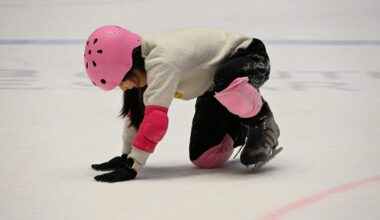
Safety is paramount when practicing backward skating. Protecting yourself from potential injuries is essential. Always wear a properly fitted helmet, wrist guards, and knee pads during sessions. These measures will help cushion falls should they occur. Additionally, inform friends or family where you’ll be practicing, particularly if you’re going alone. This allows for added accountability and safety. Ensuring your chosen skating location is clear of debris or pedestrians helps prevent accidents. Skate in early mornings or late afternoons when fewer people are around. Moreover, bring along a first aid kit in case of minor injuries. Being prepared boosts confidence while pushing your limits towards new skating techniques. It’s also wise to set realistic goals during your practices. Focus on specific skills to improve each time you skate, which can help reduce frustration. Tracking your progress through journaling can serve as motivation, no matter how small your advancements may seem. Staying positive is crucial, too; confidence builds through perseverance and practice. Keeping those engagement levels high is essential for consistent learning and growth in your skating abilities, ultimately improving your overall experience.
Building Confidence as You Progress
Confidence in skating backward comes from dedication and practice. Each session will yield incremental improvements with time, reinforcing what you learned. Be patient with yourself; don’t expect to master everything overnight. Celebrate small victories, whether it’s successfully gliding for a few feet in reverse or mastering a new stopping technique. Try to shoot for about twenty minutes of practice to start, then gradually increase the duration as you build stamina. Focusing on perfecting the small things will also enhance your overall backward skating skills. As your techniques improve, attempt to mix in tricks or styles, which will keep your sessions exciting and interesting. Skating backward can be combined with skateboarding, allowing for innovative cross-training. Engaging with other skaters serves as both a motivational tool and a chance to learn from each other. Consider recording short videos during practice to affirm your progress. Watching how far you’ve come can reignite motivation. Don’t forget to enjoy the process! The thrill of skateboarding and inline skating lies largely in experimentation, creativity, and ultimately promoting your style and approach. Embracing the journey makes every step worthwhile.
As you delve deeper into learning backward skating techniques, consider participating in skate competitions or events in your area. These experiences can offer significant boosts to your confidence levels while exposing you to various skating styles and techniques. It’s also an excellent way to meet fellow enthusiasts who share your passion. Engaging with a community of like-minded individuals can inspire you and create opportunities to enhance your skills and friendships. Attend workshops or classes that focus on specific aspects of skating. Group activities like these allow a supportive environment to learn from instructors or experienced skaters. Many skating centers provide classes for everyone, from beginners to advanced skaters. Proper instruction can be invaluable, especially for learning complex movements. Additionally, listen to podcasts or read articles that delve into personal journeys within the skating world. These stories can strike a chord and reinforce the importance of community and continuity. Remember, growth in skating is a continuous journey. Each practice session holds lessons and room for improvement. Embracing the adventure leads to becoming a more versatile and skilled skater over time while increasing your love for skating.
Celebrate Your Achievements
Finally, don’t forget to celebrate your achievements along the way! Each milestone, whether big or small, is vital in your journey to mastering backward skating. Skating is about finding a personal connection with your craft, which often means learning to appreciate your progress holistically. Share your progress on social media or with friends and family who support you. Engaging with others fosters a sense of accomplishment and encouragement that can help you stay motivated. Documenting your growth through photos or journals reinforces the connection while allowing you to reflect on the incredible skills you’ve learned. Moreover, creating mini-challenges for yourself can keep the practice sessions fresh and exciting. This could include attempting to skate backward for an extended time or completing a route without stopping. Setting personalized goals promotes growth and challenges, ensuring that you remain engaged. In the grand scheme of things, skating backward is an essential skill that opens various possibilities in your skating journey. Each practice contributes to developing a confident, well-rounded skater capable of embracing tricks, performances, or exploring new venues. Ultimately, enjoy the journey, as skating brings you freedom and fun.
In conclusion, learning to skate backward with confidence enriches your experience in both skateboarding and inline skating. It enhances your technical skills while promoting greater overall balance and coordination. By focusing on proper techniques, safety measures, community engagement, and celebrating your achievements, you’ll continuously progress as a skater. Embrace the learning journey as part of your growth as a skater, and remain open to trying new moves and styles. Remember, every skater moves at their own pace; patience is key. Engaging with others in the skating world can help foster meaningful relationships and strengthen your passion for the sport. Regular practice combined with these strategies will significantly boost your confidence levels while skating backwards. Utilize resources available both offline and online, connect with fellow skaters, and always strive to be the best version of yourself on skates. The challenges you face today are stepping stones to becoming the proficient skater you aspire to be tomorrow. Each session allows you to experience new sensations and joys. So keep pushing yourself and enjoy the thrilling ride that is learning to skate backward.