
Supplement Guide for Men’s Fitness Competitors
Men’s fitness competitions require athletes to focus on several crucial factors to optimize performance and physique. Among these factors, supplementation plays a significant role, complementing a balanced diet to help competitors achieve their peak potential. Supplements can aid in muscle recovery, enhance strength and endurance, and promote overall health. Knowledge about which supplements are beneficial can be overwhelming given the extensive options available. As such, it’s vital to conduct thorough research or consult with a nutritionist. Commonly recommended supplements for men’s fitness competitions include protein powders, creatine, and branched-chain amino acids (BCAAs). Additionally, pre-workout formulas can provide energy needed for intense training sessions or competitions. However, individual needs will depend on personal goals, dietary preferences, and specific competition regulations. Effective supplementation should align with an athlete’s training regimen and overall health. To ensure results, it’s essential to maintain consistency in supplement intake while also monitoring how the body responds. Evaluating performance gains and adjusting supplements as necessary can ultimately foster better outcomes in competitive events.
Beyond traditional supplements, many fitness competitors explore natural options like herbs and adaptogens to enhance performance. For example, Rhodiola rosea and ashwagandha are two popular adaptogens that can reduce fatigue and improve stamina. Incorporating these supplements can yield an advantage during competitions, allowing athletes to train harder without excessive fatigue. Moreover, being well-hydrated is vital; electrolytes often found in hydration supplements can help maintain optimal body functioning during intense workouts. While considering hydration, it’s equally important to ensure adequate protein intake for muscle growth and recovery. Whey protein powders, for instance, are highly regarded for their fast absorption and effectiveness in promoting muscle synthesis. Besides protein, a multivitamin can also support overall health by ensuring vital micronutrients are consumed. This is particularly true under rigorous training conditions that may increase the body’s nutrient demands. Each supplement serves a distinctive purpose in creating a supportive environment for muscle growth, recovery, and performance. In summary, a combination of supplements tailored to personal training goals can significantly enhance a competitor’s edge in men’s fitness competitions.
Essential Supplements for Peak Performance
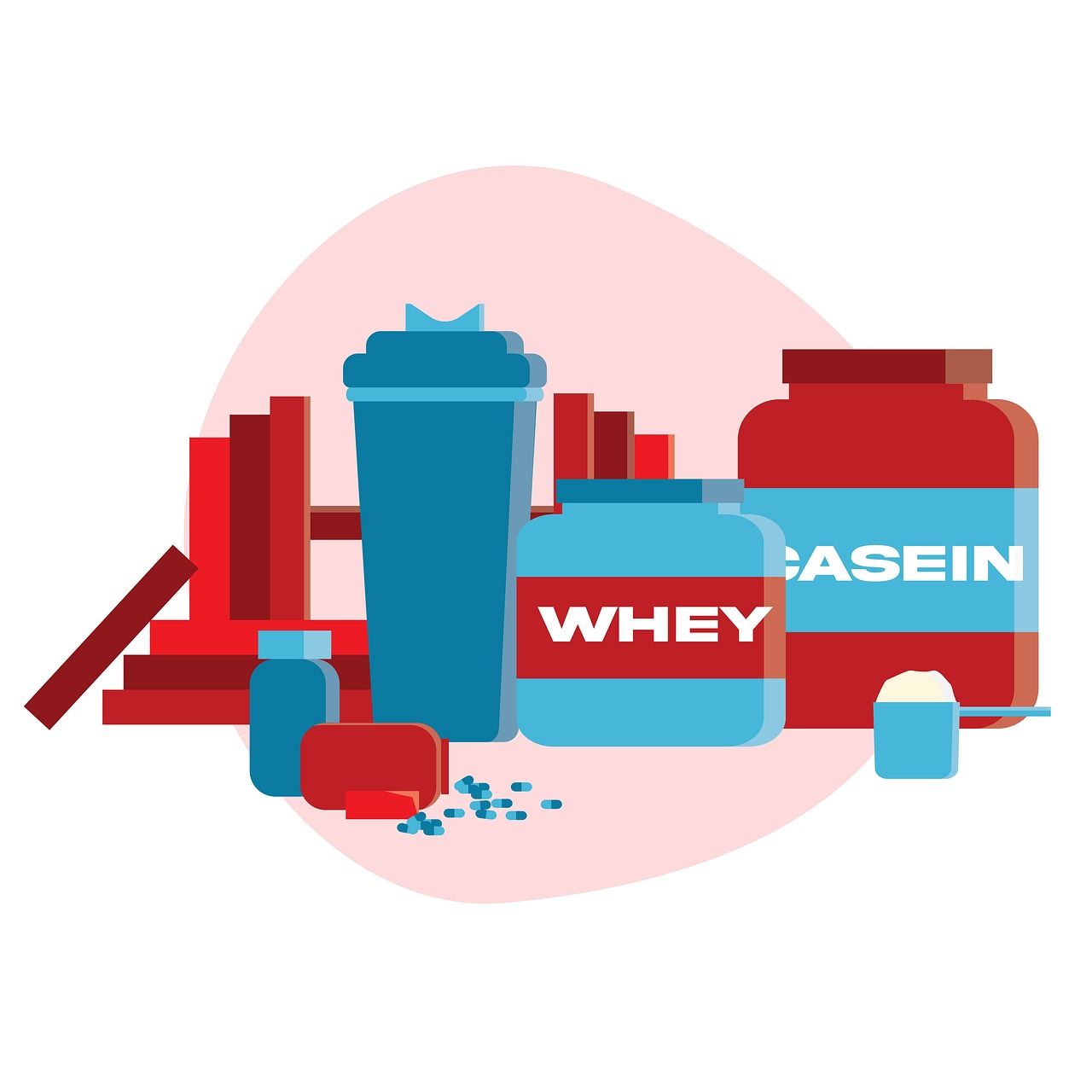
When participating in men’s fitness competitions, understanding which types of supplements are essential can make a significant difference. The most common and effective supplements include whey protein, creatine, and BCAAs. Whey protein is favored due to its high biological value, supporting quick recovery post-workout. It’s beneficial for muscle repair and is easily digestible for most individuals. Creatine, on the other hand, is renowned for boosting strength and muscle mass. Athletes often experience increased explosiveness during training and competitive events through creatine supplementation. Furthermore, BCAAs help reduce muscle soreness and promote recovery while training. Incorporating these supplements requires assessing personal dietary habits, ensuring they don’t conflict with competition laws or regulations. Timing of supplement intake is equally crucial, as consuming protein immediately after training provides optimal benefits. Adding a pre-workout supplement may also enhance focus and endurance during intense sessions. Competitors must remain wary of their total nutrient intake, balancing supplements with a nutritious diet for sustained energy. Regularly evaluating performance and recovery can assist in making necessary modifications to supplementation strategies to optimize outcomes.
The Role of Timing and Dosage
Timing and dosage are two key factors to consider for effective supplementation. Appropriate timing maximizes the effectiveness of each supplement, especially concerning protein and pre-workout formulas. Many fitness competitors find that consuming whey protein within thirty minutes post-exercise aids recovery and muscle repair significantly. In contrast, pre-workout supplements should be consumed approximately thirty to sixty minutes before exercise to ensure peak energy levels and maximal focus during workouts. As for dosage, following the recommended daily intake is important to avoid any potential adverse effects and to maximize effectiveness. Measuring individual protein requirements based on weight and activity level can further enhance results; typically, around 1.2 to 2.0 grams per kilogram of body weight is advisable for athletes. Monitoring how your body personally reacts to dosages can significantly benefit athletic performance and well-being. Adjustments may be necessary based on training workload, recovery rates, and competition schedules. Competitors must be adaptable, continually refining their approach to supplementation in harmony with their training regimen for optimal results.
Moreover, athletes must ensure they source high-quality supplements. Research the brand’s reputation and check for third-party testing to guarantee product purity and safety. Some manufacturers may cut corners, providing low-quality ingredients that could hinder performance rather than improve it. Understanding label information, including ingredient profiles, is critical for fitness competitors. Reading reviews and seeking recommendations from other athletes can also shed light on effective products. Additionally, awareness of banned substances in competitive sports organizations is essential. As individuals strive to gain an edge, it’s paramount to verify that chosen supplements comply with competition standards. Not only could failing drug tests result in disqualification, but they could tarnish an athlete’s reputation. Communicating with coaches and nutritionists about supplement choices can help ensure proper guidance is provided. Nutrition plays a pivotal role in athletic performance, making it vital to ensure synergistic interactions among supplements and diet. To execute this correctly, competitors should evaluate and adapt their supplement intake regularly based on performance feedback and physical responses.
Adopting a Holistic Approach
In terms of achieving goals in men’s fitness competitions, a holistic approach to training and supplementation is paramount. This ideology encompasses more than supplement intake; it includes considering physical, mental, and nutritional health comprehensively. Competitors are encouraged to maintain balanced diets rich in fruits, vegetables, lean proteins, and whole grains to complement supplementation. Proper nutrition fuels workouts and aids recovery, enhancing the effectiveness of supplements. Additionally, managing stress and ensuring adequate sleep can further optimize physical performance. Athletes should focus on creating a well-rounded training plan that considers cardiovascular health alongside strength training. Incorporating flexibility and mobility work into daily routines can also promote long-term athletic health. Being mindful of mental health is just as crucial; practices such as meditation and mindfulness can help athletes maintain focus during competitions. Moreover, working with professional coaches can provide valuable insights and personalized training strategies tailored to an individual’s strengths and weaknesses. This holistic methodology ensures a robust foundation, ultimately leading to improved performance in competitive events.
Ultimately, finding the right supplement strategy can significantly influence outcomes in men’s fitness competitions. Competitors need to remember that supplements are aids, not replacements for a balanced diet and training regimen. Total commitment to a nutritious, well-rounded approach fosters the necessary environment for growth and recovery. Regularly evaluating and modifying supplementation based on performance feedback is critical as competition approaches. Personalized supplementation strategies allow competitors to enhance their strengths while mitigating weaknesses, leading to improved results. Additionally, athletes should continuously educate themselves about new developments in nutritional science and supplementation. Engaging in online communities or forums can provide valuable insights into experiences shared by fellow competitors. As fitness competitions have grown in popularity, so too have the availability and diversity of supplements. Choose wisely, scrutinizing brands for transparency and integrity. This attention to quality and efficacy ultimately supports overall goals as competitors prepare for competitions. By synthesizing knowledge and practice, athletes will better navigate their journey in men’s fitness competitions and find lasting success.
As we conclude, men’s fitness competitors can significantly benefit from utilizing the right supplements as part of an overall strategy. The combination of solid training, balanced nutrition, focused mental health practices, and quality supplements equips competitors with the resources they need to excel in their events. Ensuring to regularly evaluate progress allows athletes to adapt their strategies for the best possible results. Start by understanding personal health and fitness objectives, researching suitable supplements to meet those goals, and maintaining an open dialogue with nutritional experts. Empowering competitors with knowledge about their dietary choices, supplement efficacy, and training methods is crucial in promoting long-lasting success. As competitors embrace these insights, they enhance not only performance but also overall well-being. Ultimately, staying true to rigorous standards, evidence-based practices, and safety considerations yields the best outcomes in men’s fitness competitions.