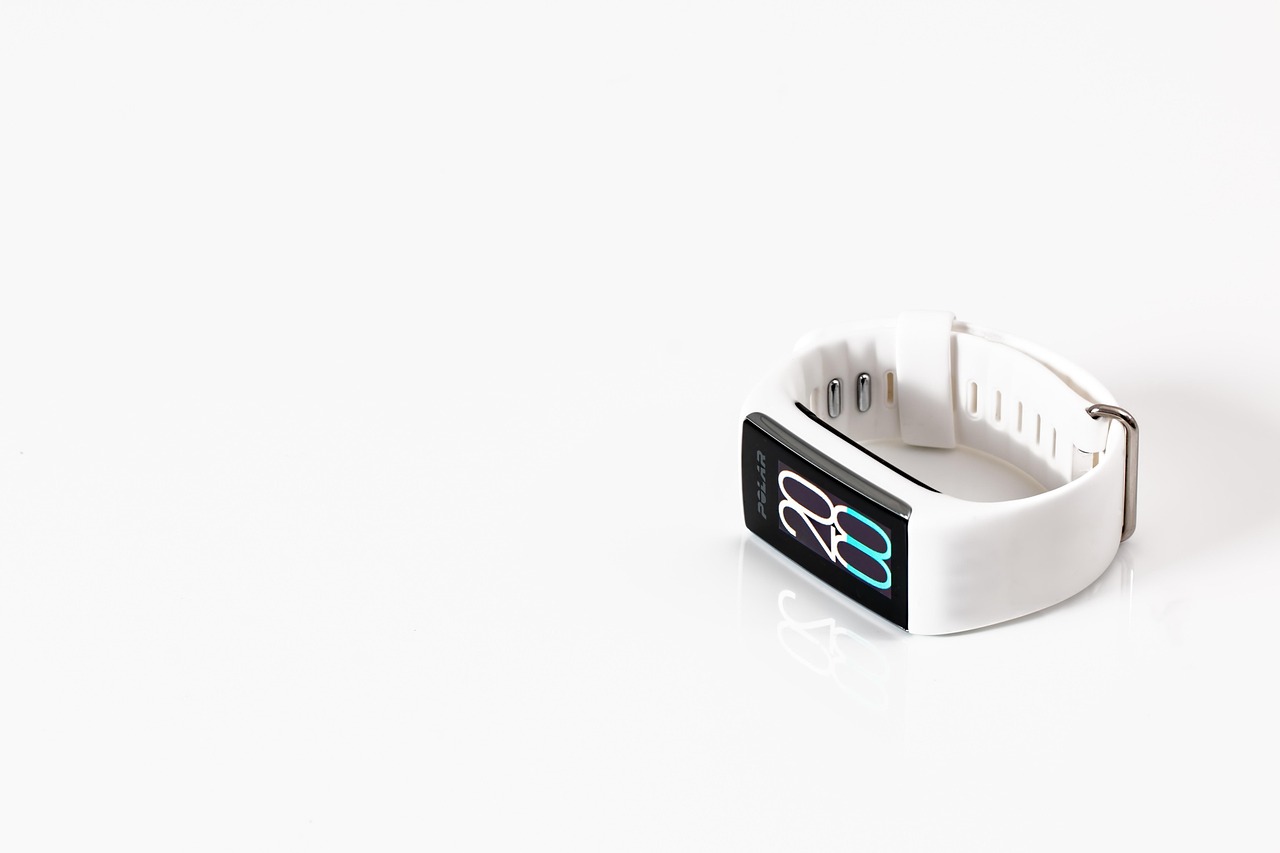

The Challenges and Opportunities of Data Privacy in Fitness Wearables
In recent years, the popularity of fitness wearables has surged, leading consumers to embrace technology that monitors their health and fitness levels. These devices collect vast amounts of data, including heart rates, steps taken, sleep patterns, and even location tracking. As beneficial as this information can be, it poses significant challenges regarding data privacy and security. Many users are unaware of the extent to which their data is being gathered and the potential risks involved. Data breaches have become a common threat for fitness technology companies, undermining user trust and raising concerns about the protection of personal information. Consequently, organizations must strive to implement robust security measures, educating consumers about data handling and privacy protocols. Users often seek assurance that their sensitive health information remains confidential, as any misuse of this data can have dire consequences. Moreover, fitness app developers need to ensure compliance with regulations like GDPR and HIPAA. This entails strict guidelines on data collection and storage while also providing transparency in privacy policies. Adopting a privacy-first approach not only safeguards user data but also enhances brand loyalty and reputation.
The integration of data privacy practices within fitness wearables necessitates a collaborative effort between companies and users. Many manufacturers must be proactive, taking the lead in establishing trust with consumers to alleviate anxiety around data security. Transparency in data usage policies and privacy practices can significantly improve user confidence in these technologies. This can be accomplished through clearly designed user agreements, which outline how personal data is collected, processed, and retained. Additionally, users should be encouraged to customize their privacy settings, allowing them to control what information is shared and which third parties may receive access to their data. Emphasizing user empowerment reinforces the importance of individual choice, fostering a sense of ownership over personal health information. As the wearable fitness industry matures, businesses must prioritize data protection as a core mission, investing in secure solutions and comprehensive user education programs. Balancing data utility with necessary privacy safeguards can create a future wherein users remain informed and secure. Ultimately, successful implementation of such strategies can attract a larger audience to fitness technology, enhancing market growth and innovation.
Addressing Transparency Challenges
Transparency is crucial for building trust in fitness wearables, yet various challenges hinder progress in this area. First, the technological complexity behind wearable devices can create barriers to understanding for consumers. Many users may find technical jargon overwhelming, leading to skepticism and uncertainty over how their data is utilized. To bridge this gap, companies must develop simplified, easy-to-digest information that accurately explains their data practices in layman’s terms. Moreover, regular communications regarding changes in data handling policies can further establish trust and keep users informed about their rights and options. Another challenge relates to data ownership; users often question who owns the data generated by these wearables. Manufacturers must clarify relationships between themselves and the users to resolve these concerns. Offering users the option to remove their data from systems can enhance feelings of control and security. Emphasizing data importance not only alleviates privacy concerns but promotes user engagement and interaction with the devices. Such efforts will ultimately lead to a healthier relationship between consumers and the fitness technology industry, ensuring that privacy and data security remain top priorities.
Data privacy laws worldwide are continuously evolving, and fitness technology companies must stay abreast of these changes. Regulations like the General Data Protection Regulation (GDPR) in Europe set strict standards for data collection and processing, emphasizing user consent and rights. Compliance with these regulations requires manufacturers to implement transparent operational practices and prioritize user education about their rights. Moreover, as fitness wearable data can be quite sensitive, firms are also encouraged to adopt additional measures, such as performing regular audits and risk assessments. These practices will not only strengthen data protection but create an environment of accountability. As companies adapt to these legal frameworks, they may also uncover opportunities to innovate within their products. For instance, integrating privacy by design into business models may lead to more secure data sharing options, fostering collaboration with other health-focused platforms. Such innovations can enhance user experience and drive competitive advantage in the saturated marketplace. Ultimately, remaining responsive to these regulations while exploring technology advancements signifies a promising future for both fitness technology and user trust.
The Role of User Education
User education plays an essential role in promoting data privacy awareness in fitness technology. Although manufacturers bear responsibility for implementing security measures, informing users about how to manage their data effectively is equally crucial. Companies can provide resources, including articles, FAQs, and video tutorials, empowering users with actionable information regarding data privacy. Educating users about recognizing phishing attempts, understanding privacy policies, and managing permissions will foster a more security-conscious customer base. Moreover, workshops and community events centered around data privacy can create opportunities to engage directly with users and address their concerns. Through proactive outreach, companies can demonstrate their commitment to user safety and well-being. Encouraging dialogue about data privacy will further cultivate community trust and collaboration. As users become more informed, they can make better choices regarding their digital health journey, enhancing their overall experience and satisfaction. This collaborative approach will ultimately contribute to a more robust and secure fitness wearables ecosystem, where both users and manufacturers work together toward sustainable goals centered around data privacy and protection.
Looking ahead, the future of fitness wearables hinges significantly on the industry’s ability to adapt to data privacy challenges. As the market matures, users expect more personalization and tailored experiences from their devices, often demanding higher levels of security. Companies can respond to this demand by fostering innovative solutions that prioritize privacy and enhance user experience. For example, advancements in artificial intelligence and machine learning can pave the way for predictive algorithms that analyze user data without compromising privacy. This sophisticated technology could empower users by providing insights based on their individual habits, it could transform fitness tracking by making suggestions without actually storing sensitive data. Moreover, user involvement in decision-making processes can inform product development that aligns with customer values. Engaging consumers in conversations about their preferences will foster a sense of inclusion, ultimately leading to better data management practices. The ongoing shift toward privacy-centric innovations will set the foundation for user-centric fitness wearables, unlocking new possibilities for both users and manufacturers while creating a vibrant community focused on health and well-being.
Conclusion
The challenges and opportunities associated with data privacy in fitness wearables require ongoing collaboration and commitment. As technology continues to advance, the focus on safeguarding personal information must remain paramount. Users today are increasingly aware of the importance of data privacy, driving demand for transparency and accountability within the industry. Companies that proactively address these concerns will differentiate themselves, fostering customer loyalty and enhancing brand visibility. By investing in user education and promoting user independence in managing personal data, manufacturers have the potential to build a stronger relationship with consumers. Furthermore, adapting to regulatory changes while nurturing innovations can lead to empowering healthier lifestyles and consumer trust. The future landscape of fitness technology is bound to incorporate adaptive privacy solutions that prioritize the interests of users, ensuring their data remains in safe hands. Through mutual efforts, not only can the potential threats of data breaches be mitigated, but opportunities for industry growth can also arise. A successful balance of data privacy and innovation will ultimately benefit all stakeholders involved, shaping a more responsible future for fitness wearables.