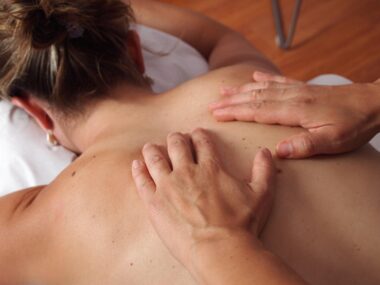

Massage Therapy for Recovery and Maintaining Flexibility in Endurance Athletes
Endurance athletes often push their bodies to the limit, requiring recovery methods that enhance flexibility and mobility. One such method is massage therapy, which offers several advantages for athletes involved in prolonged physical activities. By working on muscle tissue, massage therapy alleviates tension, reduces soreness, and promotes blood flow. Improved circulation not only aids in recovery but also increases the range of motion, which is essential for peak performance. Furthermore, regular massage sessions can help in preventing injuries by identifying and addressing tight spots in muscles before they develop into serious issues. Moreover, incorporating massage therapy into a training regimen can enhance overall athletic performance. Flexibility is a crucial component of this, as it influences an athlete’s efficiency, allowing movements to be executed more fluidly. In conclusion, the benefits of integrating massage therapy into an endurance athlete’s routine cannot be overlooked, as it plays a vital role in recovery, flexibility, and injury prevention.
Understanding the Benefits of Massage Therapy
Massage therapy is hailed for its ability to assist athletes in maintaining their flexibility and overall well-being. This ancient practice involves manipulating soft tissues, allowing the body to relax and restore its natural balance. For endurance athletes, who experience significant wear and tear on their muscles, the benefits are particularly notable. Improved flexibility resulting from massage allows athletes to perform at their best, as it reduces the likelihood of muscle strains and joint injuries. Additionally, massage therapy is known to decrease levels of stress hormones, promoting a sense of well-being in athletes under intense training conditions. Moreover, the enhanced relaxation that follows a massage helps in addressing muscle soreness after long sessions or races. Massage can also serve as an excellent recovery tool post-competition, ensuring that athletes bounce back faster and stay injury-free. Beyond physical benefits, the emotional and psychological aspects of massage therapy contribute to better performance in endurance events, providing a holistic approach to athletic care and improvement.
Many studies conducted in the field of sports medicine point toward the efficacy of massage therapy for athletes. Research shows that consistent application can lead to profound improvements in range of motion and flexibility for endurance athletes. This is crucial, as flexibility aids in overall performance, allowing athletes to execute more complex movements without risk. Furthermore, regular massage can improve proprioceptive awareness, ensuring that athletes maintain better control over their bodies during exertion. The therapeutic techniques used in massage, such as deep tissue and sports massage, can be tailored to the athlete’s specific needs, focusing on areas that typically experience tightness or discomfort. This personalized approach ensures that treatment aligns with the athlete’s training schedule and competition timeline. In essence, the application of massage therapy should be a standard component of training and recovery programs designed for endurance athletes. It is not just a luxury, but a fundamental aspect of their regimen, enhancing their overall ability to perform and preventing potential setbacks.
Techniques Used in Massage Therapy
Various massage therapy techniques contribute to enhancing flexibility for endurance athletes. One commonly utilized method is the use of deep tissue massage, which targets deeper muscle layers to alleviate tightness and promote relaxation. This type of massage helps break down adhesions and scar tissue that may develop from rigorous training. In addition to deep tissue, sports massage is highly effective, as it incorporates stretching techniques that increase flexibility while reducing fatigue. Another valuable technique is myofascial release, focusing on the connective tissues surrounding muscles to relieve tension and improve mobility. Additionally, the application of trigger point therapy can help in identifying specific knots or tender areas. These areas often inhibit full range of motion and can lead to injuries if left unaddressed. A combination of these techniques tailored for the individual athlete can yield remarkable results. As endurance athletes seek to improve their performance, understanding and utilizing these massage techniques becomes essential in maintaining optimal flexibility, thus enhancing their training and competitive edge.
The timing of massage therapy sessions can significantly impact its benefits for endurance athletes. It’s essential to schedule massages strategically within a training program for optimal results. Ideally, a massage can be employed pre-competition to prepare the body, ensuring muscles are responsive and loose. Conversely, post-exercise massages can assist in recovery by reducing muscle soreness, enhancing circulation, and expediting the removal of metabolic waste. Regular massage sessions can also serve as a proactive measure, preventing injuries and maintaining flexibility over time. Athletes who integrate massage therapy into their routine may also notice a decrease in the recovery time needed between training sessions. Coaches often recommend scheduling massages according to training intensity and competition schedule. The more intense the training or the closer the competition date, the more frequent massages may be needed to keep muscles primed and flexible. Thus, timing and frequency are crucial considerations for athletes to derive the maximum benefits from massage therapy, ensuring they perform at their best during competitions and training.
Choosing the Right Massage Therapist
When incorporating massage therapy into a fitness routine, it is crucial to select a qualified and experienced massage therapist who understands the specific needs of endurance athletes. Look for therapists who specialize in sports massage or have experience working with athletes, as they will be more attuned to the unique challenges and needs encountered by those involved in endurance sports. They should possess strong knowledge regarding muscle groups and the impact of various training regimens. Additionally, communication with the therapist is vital; athletes should express their concerns, tight spots, and overall goals to ensure optimal treatment. Moreover, a good therapist will also demonstrate proper techniques and personalize sessions according to the athlete’s requirements. Seeking online reviews and testimonials can offer insights into the effectiveness of a therapist’s services. Building a rapport with the chosen therapist can enhance the overall experience and effectiveness of each session. In conclusion, ensuring that the right therapist is chosen is essential for maximizing the benefits derived from massage therapy for flexibility and recovery.
Aside from the technical aspects, the environment where massage therapy takes place also plays a significant role in enhancing the experience and effectiveness. A calm, tranquil environment helps athletes relax and mentally prepare for the recovery process. Factors like ambient lighting, soothing music, and comforting scents can significantly help create the right atmosphere for relaxation. Moreover, comfortable positioning and the use of quality massage oils can enhance the overall experience, maximizing the results. Having a therapist that understands the athlete’s preferences can lead to tailored sessions that bring about improved healing and flexibility. Additionally, athletes should ensure they are well-hydrated before and after sessions to further aid in recovery. It is equally important to leave sufficient time between massage sessions to observe how the body responds. Monitoring physical changes post-massage will inform whether the frequency of sessions needs adjustment. Collectively, these elements combine to enhance the positive impacts of massage therapy, ensuring that endurance athletes achieve their goals while maintaining flexibility and mobility.
Conclusion
In summary, massage therapy is a powerful tool that endurance athletes can utilize to enhance their flexibility and aid in recovery. By facilitating muscle relaxation and improving circulation, athletes can experience a range of benefits, including reduced soreness, improved mobility, and injury prevention. The specific techniques employed, such as deep tissue and sports massage, play a critical role in targeting tight areas while promoting overall muscle health. The timing of massages, frequency, and choosing the right therapist are also vital considerations for athletes seeking to leverage the benefits of massage. The environment in which the therapy takes place is another influencing factor; a soothing and welcoming atmosphere can significantly enhance relaxation and effectiveness. In essence, when integrated into a comprehensive training program, massage therapy not only supports an athlete’s physical performance but also contributes positively to their mental and emotional well-being. As endurance athletes continue striving for excellence, incorporating massage therapy into their routines will prove beneficial in maintaining flexibility and optimizing recovery.