
Improving Mobility Through HIIT and CrossFit Drills
High-Intensity Interval Training (HIIT) and CrossFit have gained remarkable popularity in recent years, particularly for their effectiveness in improving fitness. These workout methods involve high-intensity efforts followed by short rest periods, pushing the body to its limits. One key benefit of incorporating HIIT and CrossFit drills is enhanced mobility, which can improve overall functional movement patterns. Mobility refers to the ability of joints to move freely throughout their full range of motion. This is essential not just for athletic performance but also for daily activities. By targeting multiple muscle groups and incorporating various movement patterns that emphasize flexibility, participants can enhance their mobility. Exercises such as dynamic stretching, squat thrusts, and burpees contribute to this improvement. Moreover, performing these drills at a high intensity challenges the body to adapt and grow stronger, leading to greater mobility over time. It’s crucial to approach these workouts with proper form and technique, ensuring safety while maximizing effectiveness. As mobility improves, practitioners may experience enhanced performance in other physical activities and notice a reduced risk of injuries during both workouts and daily tasks.
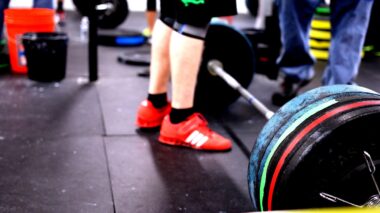
Integrating mobility drills within HIIT and CrossFit routines provides an efficient way to develop flexibility and functional strength. Focusing on compound movements, such as deadlifts, kettlebell swings, and box jumps, benefits mobility while building strength simultaneously. These movements engage multiple joints and muscle groups, promoting overall body coordination. Additionally, enhancing mobility through these exercises assists in maintaining joint health. Proper mobility allows for more effective movement patterns, which can enhance athletic performance and day-to-day activities. Yoga and dynamic mobility routines can also be included as supplementary exercises, helping to improve the range of motion further. Working on mobility should not be an afterthought; it should be a deliberate part of the training regimen. Dedicated mobility sessions or integrating mobility-focused exercises into warm-ups and cool-downs is vital. Addressing tight muscles can lead to increased strength and power, resulting in better performance during high-intensity intervals. Practitioners should prioritize mobility training to find balance in their HIIT and CrossFit workouts. Understanding how mobility affects performance provides athletes with a competitive edge in both sports and daily life, resulting in improved efficiency in movements and overall well-being.
Key Mobility Drills for HIIT and CrossFit
Incorporating specific mobility drills can have a significant impact on overall performance in HIIT and CrossFit. Some effective mobility exercises include the world’s greatest stretch, hip openers, and thoracic spine extensions. The world’s greatest stretch is excellent for enhancing hip and thoracic mobility, effectively preparing the body for high-intensity workouts. Hip openers, which can be performed using various techniques such as pigeon pose or frog stretches, significantly improve hip flexibility, crucial for lower body movements in workouts. Thoracic spine extensions are essential for ensuring proper upper back mobility, helping to maintain good posture during lifts. Incorporating these exercises into a warm-up routine or as standalone mobility workouts can maximize their benefits. Adding dynamic movements like leg swings, arm circles, and shoulder dislocates also stimulates increased range of motion. During HIIT and CrossFit sessions, it’s beneficial to incorporate these mobility drills in between high-intensity intervals, promoting recovery and preparation for the next set. Consistent practice of these mobility drills not only enhances overall performance but also fosters a greater mind-body connection, ensuring workouts remain both effective and enjoyable for participants.
Maintaining consistency with mobility work is critical for long-term improvements in HIIT and CrossFit athletes. Establishing a regular mobility routine can be as crucial as maintaining strength and conditioning workouts, ensuring that the body is prepared for the stresses of high-intensity training. Athletes should aim for at least two to three mobility-focused sessions per week, dedicating time to stretching and dynamic movement patterns. By progressively challenging the body, practitioners can facilitate ongoing enhancements in flexibility and range of motion. It’s essential for athletes to listen to their bodies, identifying areas of tightness that require attention. Working on those particular areas can decrease recovery time and enhance performance in higher intensity sessions. Integration of foam rolling and lacrosse ball techniques can also aid in releasing tight muscles, further advancing mobility goals. It’s important to remain patient, as improvements in mobility can take time and diligence. The journey to improved mobility through HIIT and CrossFit is continuous, and dedication to this aspect of training is vital for reaping the myriad benefits. Athletes who embrace this essential practice can expect substantial improvements not only in their workouts but also in their overall quality of life.
Nutrition and Mobility
Optimal nutrition can play a pivotal role in enhancing mobility for individuals engaged in HIIT and CrossFit training. Proper nutrition supports the body’s recovery process, ensuring that muscles are adequately fueled and repaired after intense workouts. Foods rich in antioxidants, omega-3 fatty acids, and anti-inflammatory properties can aid in reducing soreness and facilitating optimal performance. Staying hydrated is also essential for maintaining joint lubrication and overall mobility. Dehydration can lead to stiffness and discomfort in joints, limiting movement. It’s important to consume a balanced diet that includes a variety of vegetables, whole grains, lean proteins, and healthy fats. The synergy of nutrition and exercise creates an environment conducive to achieving mobility goals. Athletes are encouraged to consider nutritional timing, ensuring proper pre- and post-workout meals maximize performance and recovery. Additionally, supplements such as fish oil and collagen may offer benefits for joint health and flexibility. In conjunction with an effective mobility plan, dietary support empowers athletes to reach their fitness objectives while minimizing injury risks. Ultimately, the right nutrition strategy enhances the benefits of mobility practices, enabling athletes to perform at their best.
Incorporating recovery techniques after HIIT and CrossFit sessions also greatly contributes to mobility improvements. After intensive workouts, it is essential to include cooldown exercises that promote muscle recovery, prevent tightness, and increase flexibility. Techniques such as static stretching, yoga, or even gentle foam rolling can help eliminate muscle soreness by aiding blood flow to the muscles and joints. Athletes should focus particularly on overstressed areas, ensuring they remain limber and functional. Active recovery days can also be integrated into the workout schedule to allow the body ample time to adapt to higher intensity training loads. These sessions can include lower-intensity activities like walking, swimming, or even engaging in non-structured play. The importance of rest should not be overlooked; it plays a crucial role in helping the body recover fully and ultimately enhancing mobility. Striking the right balance between training, recovery, and mobility drills is necessary for sustainable progress. As fitness levels increase, mobility offers a significant competitive advantage, enhancing both performance and enjoyment in workouts and daily activities, helping practitioners achieve goals more efficiently.
Conclusion
Improving mobility through HIIT and CrossFit drills is essential for anyone looking to achieve holistic fitness. By implementing dedicated mobility work, athletes can enhance their performance, reduce injury risks, and promote overall well-being. Consistency, coupled with a comprehensive approach that includes strength training, nutrition, and recovery techniques, allows individuals to enjoy the full benefits of their training. As mobility becomes a priority, athletes will notice improvements in their movement quality and functional abilities. By understanding the importance of mobility in the context of high-intensity training and fostering a supportive community, participants can embrace the journey towards their goals. In doing so, they set themselves up for long-term success and fulfillment in their fitness journey. Practicing mobility does not have to be daunting; incorporating enjoyable routines and making it a social activity can make the process more engaging. Sharing tips and celebrating progress promotes group motivation, creating a motivating environment focused on self-improvement. As individuals commit to enhancing their mobility, they will cultivate a more resilient, adaptable body ready for the challenges of HIIT and CrossFit, ultimately leading to a more fulfilling athlete experience.
With a focus on mobility, individuals can redefine their approach to fitness by seamlessly blending strength, endurance, and flexibility through HIIT and CrossFit. The integration of mobility work does not only benefit athletes physically but mentally as well, reinforcing the mind-body connection. As practitioners experience enhanced mobility, they also unlock the potential for progression in their workouts and daily activities. This holistic approach sets the foundation for lifelong fitness, motivating individuals to embrace healthy habits. The true value of mobility transcends the physical benefits; it instills confidence, resilience, and a positive mindset that inspires continued growth. Athletes willing to invest in their mobility will find that the journey encompasses much more than just athletic performance. The skills learned, challenges faced, and achievements celebrated will lead to a deeper connection with oneself and the fitness community. Therefore, emphasizing mobility within HIIT and CrossFit is not merely a trend; it is a necessity for those aiming to cultivate a rewarding fitness lifestyle. Commitment to mobility will enable stronger, more capable bodies, ensuring that individuals are better prepared for the demands of life beyond the gym.