
Hydration and Weight Loss: What is the Connection?
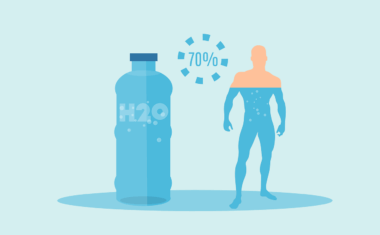
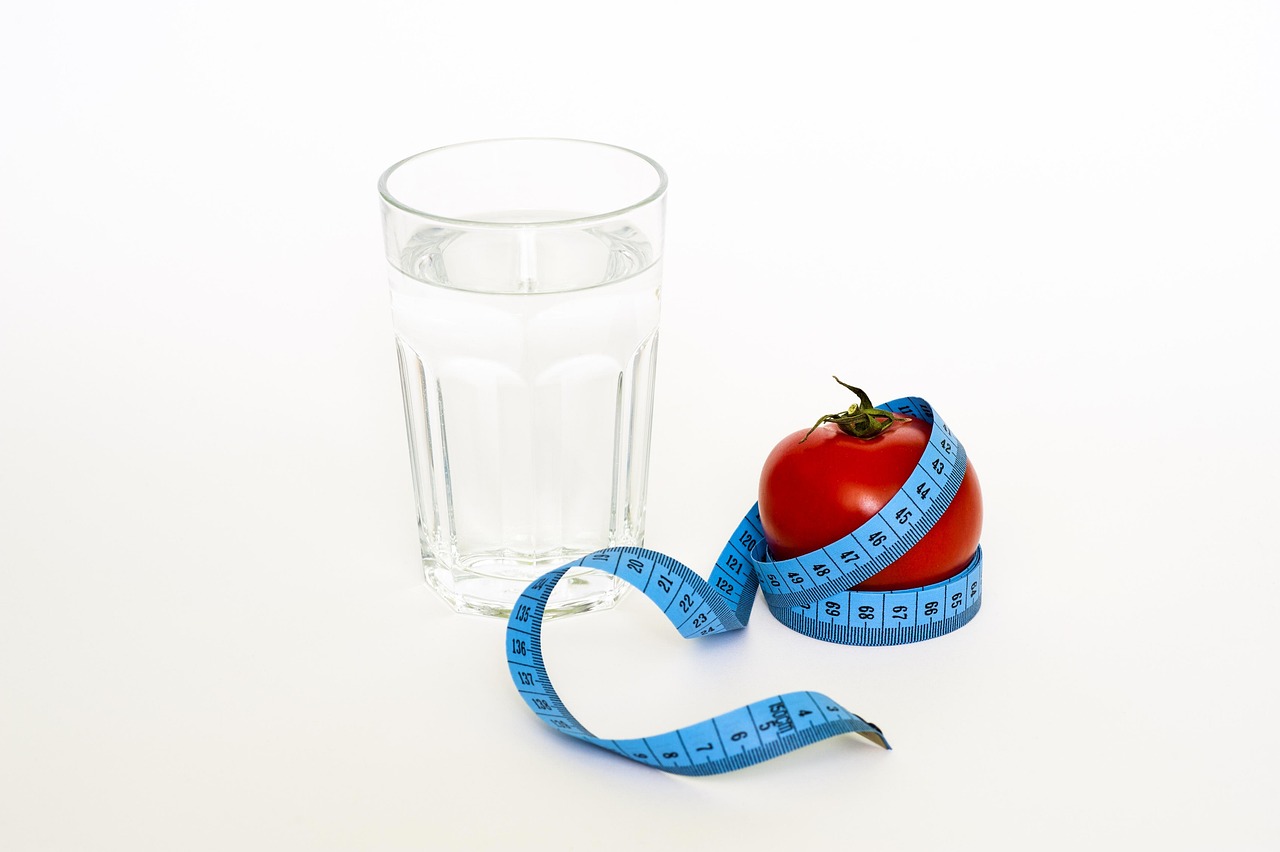
Understanding the link between hydration and weight loss can be essential for anyone aiming to shed some pounds. Water plays a critical role in various body processes, especially in maintaining a healthy metabolism. When adequately hydrated, the body’s calorie-burning efficiency increases, promoting fat loss. Additionally, many people confuse hunger with thirst, leading to unnecessary snacking. Drinking water before meals can help regulate appetite, leading to lower calorie intake. This method is particularly effective in achieving sustainable weight loss without drastic dietary changes. When you are thirsty, your body may signal hunger as well, pushing you to eat instead of drink. Thus, keeping hydrated ensures that you can differentiate between the need for food and the need for liquid intake. Furthermore, adequate hydration can contribute to enhanced exercise performance, enabling longer and more effective workouts. This, in turn, aids in burning more calories. In essence, staying hydrated is not just about quenching thirst but is a vital strategy for weight loss and overall health. Incorporating hydration strategies can make a significant difference on the scale and in how you feel daily.
Another important aspect of hydration involves the role of water in metabolic processes. Water is involved in the digestion and absorption of nutrients, which are crucial for our energy levels. Adequate hydration can help break down food more effectively, ensuring that your body receives all necessary nutrients. Some studies suggest that drinking cold water can also slightly boost metabolism, as the body uses energy to heat the water to body temperature. Keeping your body well-hydrated can stimulate metabolic functions, which is crucial when trying to lose weight. Furthermore, proper hydration helps in flushing out toxins, enhancing kidney function, and improving overall bodily functions. This keeps your body functioning optimally, which is especially important when on a weight loss journey. It prevents feelings of fatigue, allowing you to maintain a more active lifestyle. Being active is imperative for weight loss, as it helps burn more calories. Additionally, hydration aids muscle recovery after workouts, enabling you to train harder and more effectively. So, to optimize your efforts towards weight loss, never underestimate the importance of consistent hydration and its influence on your metabolism.
Strategies for Staying Hydrated
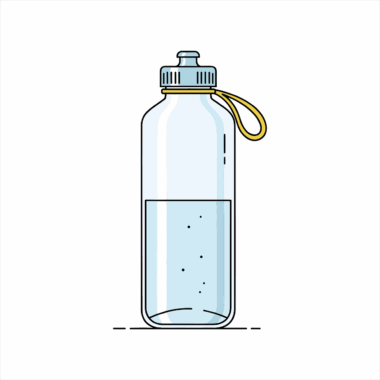
Adopting effective hydration strategies is vital for weight loss and overall well-being. First, always carry a reusable water bottle with you. Having water readily available encourages regular sipping throughout the day. Additionally, set hydration reminders on your phone or use hydration tracking apps to maintain consistent fluid intake. Infusing your water with fruits like lemon, cucumber, or berries can make hydration more enjoyable. This adds flavors and can motivate you to drink more daily. It’s also beneficial to make a habit of drinking a glass of water before meals. Not only does this aid digestion but it can also help reduce portion sizes. Furthermore, consume foods with high-water content as part of your diet. Foods like cucumbers, watermelon, and oranges are great options to increase hydration levels while providing essential nutrients. Herbal teas and coconut water can be refreshing alternatives to plain water, especially during warmer months. Ultimately, staying hydrated needs to become a routine habit for lasting health benefits. Paying attention to your hydration levels while being mindful of your body’s signals is crucial in achieving and maintaining a healthy weight.
Hydration and Exercise
Hydration becomes even more essential when you incorporate exercise into your weight loss regimen. As you work out, your body loses water through sweat, decreasing hydration levels. Maintaining proper hydration before, during, and after workouts ensures optimal performance and recovery. Dehydration can lead to fatigue, decreased strength, and reduced endurance, making workouts less effective. Drinking water before exercise helps prepare your body and can enhance performance. Consuming water during workouts, especially in high-intensity activities, prevents excessive fluid loss and keeps you energized. After exercising, replenishing lost fluids is equally crucial for recovery. Electrolyte drinks can also help in restoring balance after heavy sweating. Moreover, consistent hydration supports muscle function, reducing the risk of cramps and injury. As a result, the quality of your workout improves, allowing for better outcomes in weight loss and overall health. In summary, effective hydration before, during, and after workouts plays a vital role in both performance and recovery, emphasizing the importance of water in fitness and weight loss journeys. Therefore, prioritize hydration as an integral part of your exercise routine.
Furthermore, understanding your personal hydration needs is important. Factors like body size, physical activity level, and climate can significantly affect your hydration requirements. People engaging in strenuous workouts or living in hot climates may need more fluids than the standard recommendation. Also, individual needs may vary based on age, sex, and health conditions. Adapting your hydration strategy to fit your unique lifestyle will yield better results. It’s essential to listen to your body’s signals to recognize when you’re dehydrated. Common signs include dry mouth, fatigue, and dark yellow urine. If you experience these symptoms, it’s vital to increase your fluid intake immediately. In some instances, thirst may not be a reliable indicator of hydration status. Instead, consider monitoring urine color for a more accurate representation of hydration levels. Clear or light-colored urine typically indicates proper hydration. Keeping track of your fluid intake with a journal or an app can also assist in staying on top of your hydration goals. Ultimately, understanding and adapting to your hydration needs lays the foundation for successful weight loss and a healthier lifestyle.
Hydration and Food Choices
The choices you make regarding hydration can impact your weight loss goals. Opting for caloric drinks or sugary beverages can inadvertently hinder weight loss efforts. Instead, focus on low-calorie options like water, herbal teas, and infused water to stay refreshed without added calories. Incorporating hydrating snacks into your diet can also support hydration goals. Fruits and vegetables are both hydrating and nutritious. For example, eating watermelon, strawberries, or cucumbers can keep you hydrated while providing essential vitamins. In addition, try to avoid excessive caffeine or alcohol, as both can have dehydrating effects. When selecting beverages, opt for water-rich or low-calorie options to maintain hydration while you lose weight. Be mindful of portion sizes when consuming drinks containing calories, as they can easily add up. Remember that solid food can contribute to your daily hydration as well. Maintaining a balanced diet along with consistent hydration will optimize weight loss results and improve overall health. Essentially, drinking water and choosing hydrating foods are essential to keeping your body healthy while targeting weight loss goals.
In conclusion, effectively incorporating hydration into weight loss strategies can lead to beneficial outcomes. Staying properly hydrated supports metabolism, reduces appetite, and enhances physical performance. Recognizing the connection between hydration and weight management emphasizes the importance of prioritizing water intake. Various strategies, such as carrying a water bottle, tracking fluid intake, and consuming hydrating foods, can make a significant difference in achieving weight loss goals. Furthermore, staying mindful of personal hydration needs and listening to body cues ensures adequate intake of fluids. Hydration not only supports effective weight loss but also enhances overall well-being. Through adequate hydration, you can feel more energized, improve exercise performance, and aid recovery. Remember that weight loss is a holistic journey that involves various lifestyle changes. By integrating hydration strategies, you give your body the tools it needs to succeed. Aim for sufficient fluid intake, enjoyable hydration habits, and an overall balanced lifestyle to navigate the path effectively. Embrace hydration as a vital step in your journey towards better health and mindful weight loss.
Overall, the relationship between hydration and weight loss is clear. Hydration connects directly to metabolic processes, appetite regulation, and exercise performance. Altering hydration habits can lead to noticeable weight loss benefits over time. Combining a solid hydration strategy with regular physical activity and a balanced diet is the winning formula for successful weight management. Prioritize water intake and make informed beverage choices, aiming for low-calorie or hydrating options. Incorporate fruits and vegetables with high water content into meals for added hydration without filling calories. Track hydration levels and adjust intake to suit personal needs and activity levels. Regular monitoring encourages mindful drinking and recognition of hydration signals. As you cultivate these habits, you position yourself for easier weight loss while improving overall health and vitality. Remember that maintaining adequate hydration is essential to feeling your best daily. Ultimately, by embracing water as a foundational part of a weight loss plan, you create a sustainable approach that benefits not only your physical appearance but your holistic health as well.