
Protein Timing and Quality for Endurance Athletes
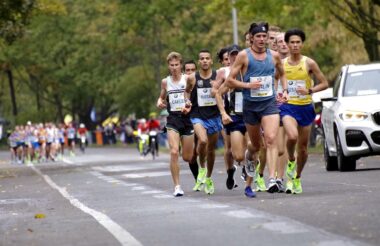
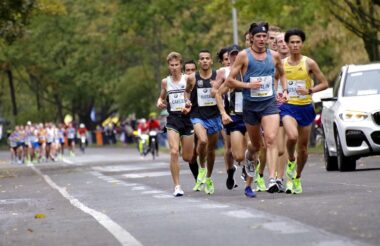
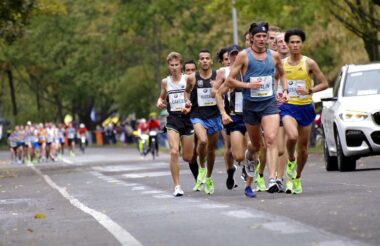
Nutrition plays a critical role in the performance and recovery of endurance athletes. Proper protein timing and quality directly influence muscle recovery, adaptation, and injury prevention. Consuming the right types of protein at optimal times can help maximize muscle protein synthesis. Endurance athletes frequently require more protein than typical recreational exercisers, as their training regimens demand additional support for muscle repair and growth. Aiming for a protein intake of about 1.2 to 2.0 grams per kilogram of body weight can ensure that your body has enough amino acids for recovery.
Moreover, using a variety of protein sources can enhance overall protein quality. For example, combining animal and plant-based proteins may optimize essential amino acid profiles. Animal proteins, such as chicken, fish, and eggs, typically contain higher concentrations of essential amino acids. In contrast, plant proteins from sources like beans and lentils offer beneficial nutrients, increasing overall health. This diversity is vital for athletes aiming to meet their increased protein requirements. Moreover, consuming complete proteins, which contain all essential amino acids, is crucial for muscle repair and growth after intensive endurance activities.
Timing your protein intake is equally important for endurance athletes. Research suggests that consuming protein soon after training, ideally within 30 minutes, can maximize muscle recovery and synthesis. This period is often referred to as the “anabolic window,” during which your body is most receptive to nutrient absorption. Post-workout meals rich in protein not only aid recovery but also help refill muscle glycogen stores when paired with carbohydrates. Thus, planning meals and snacks around this timeframe can be a beneficial strategy for any endurance athlete aiming to enhance performance and recovery.
Optimal Protein Sources
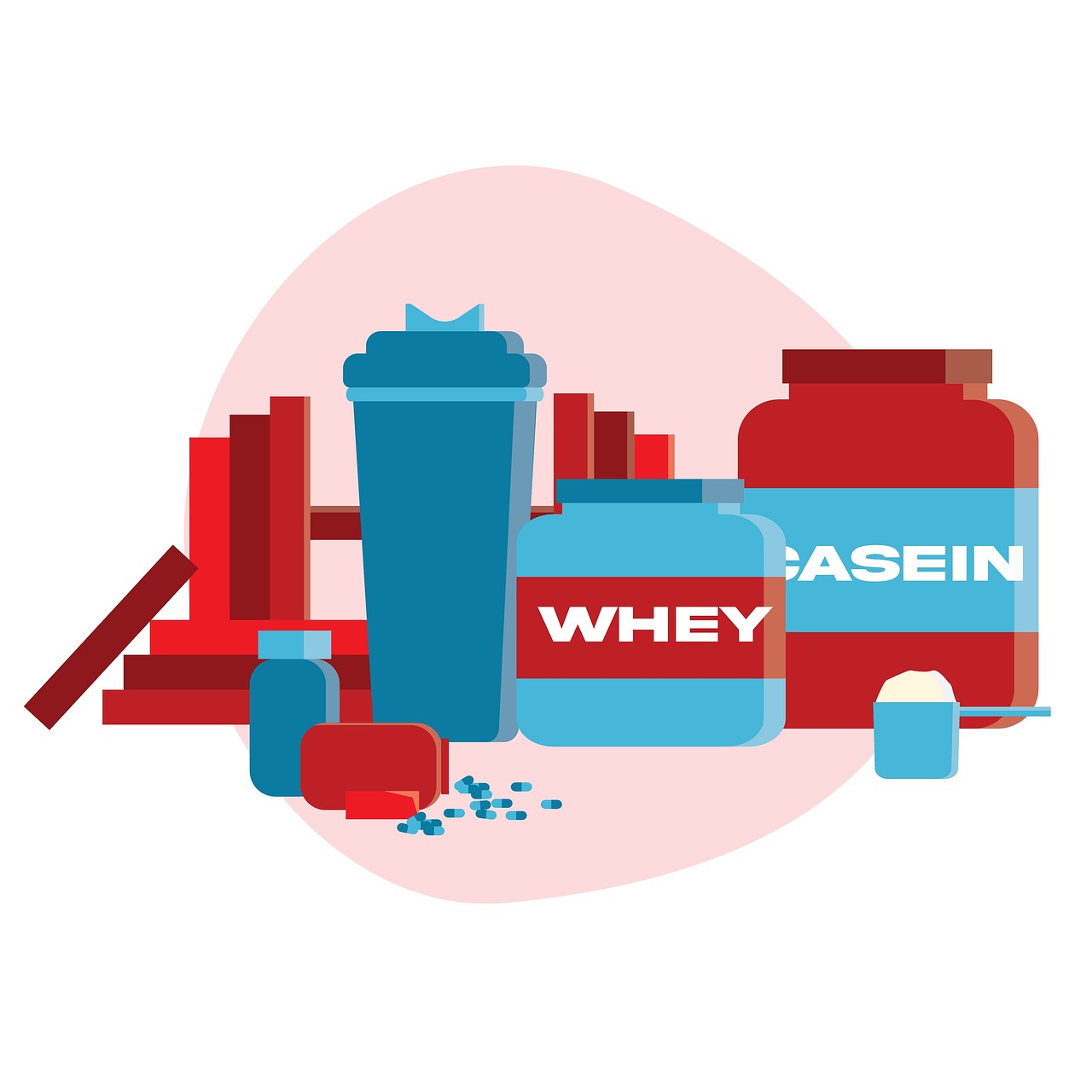
Choosing high-quality protein sources is essential for any athlete. Proteins that are rich in essential amino acids, particularly leucine, are particularly effective at stimulating muscle protein synthesis. Options include dairy products like Greek yogurt, whey protein, and lean meats, which provide high biological value. For those preferring plant-based diets, combining different sources such as quinoa and chickpeas can create a complete amino acid profile. Additionally, protein powders can be a convenient alternative for those on-the-go, ensuring a quick recovery solution post-training, thus maintaining muscle health and function.
Incorporating high-quality sources requires careful meal planning. Pre-training meals should include a moderate amount of protein along with carbohydrates to supply energy and promote optimal performance. Guidelines recommend including 10-20 grams of protein within meals consumed before exercise. This strategy will ensure that energy levels remain stable throughout training and that the body is well-equipped to perform. Post-training recovery meals are equally crucial when the body is primed to utilize nutrients effectively. Aiming for a balanced meal consisting of protein, carbohydrates, and healthy fats can significantly enhance recovery.
Hydration plays a vital role in enhancing protein utilization. Inadequate fluid intake can affect muscle recovery and performance. Therefore, endurance athletes must prioritize hydration alongside their protein consumption. Consuming proteins along with adequate hydration supports metabolic processes involving amino acids and promotes efficient nutrient absorption. To optimize both hydration and recovery, athletes should aim to consume fluids before, during, and after training sessions. This can help to mitigate fatigue and support ongoing training regimens. The benefits of protein will be less effective with poor hydration practices.
Conclusion and Practical Tips
In conclusion, the timing, quality, and types of protein consumed significantly affect endurance athletes’ performance and recovery. Prioritizing protein intake before and after training sessions can aid in maximizing muscle recovery and support long-term athletic goals. With careful planning and consideration, endurance athletes can enhance their diet, leading to improved endurance, strength, and recovery. Not only should athletes be mindful of protein intake requirements, but they should also consider overall dietary habits. A varied and balanced diet in conjunction with proper hydration is essential for peak performance.
Lastly, consulting with a registered dietitian specializing in sports nutrition can offer tailored guidance for athletes looking to refine their dietary practices. Understanding personal nutrition needs will lead to improved performance, especially when training demands increase. Keeping a food journal can also help monitor adherence to protein and calorie goals. Combining these techniques will provide notable benefits in training outcomes for endurance athletes over time. Personalizing nutrition strategies based on training demands and individual preferences can further enhance overall performance.