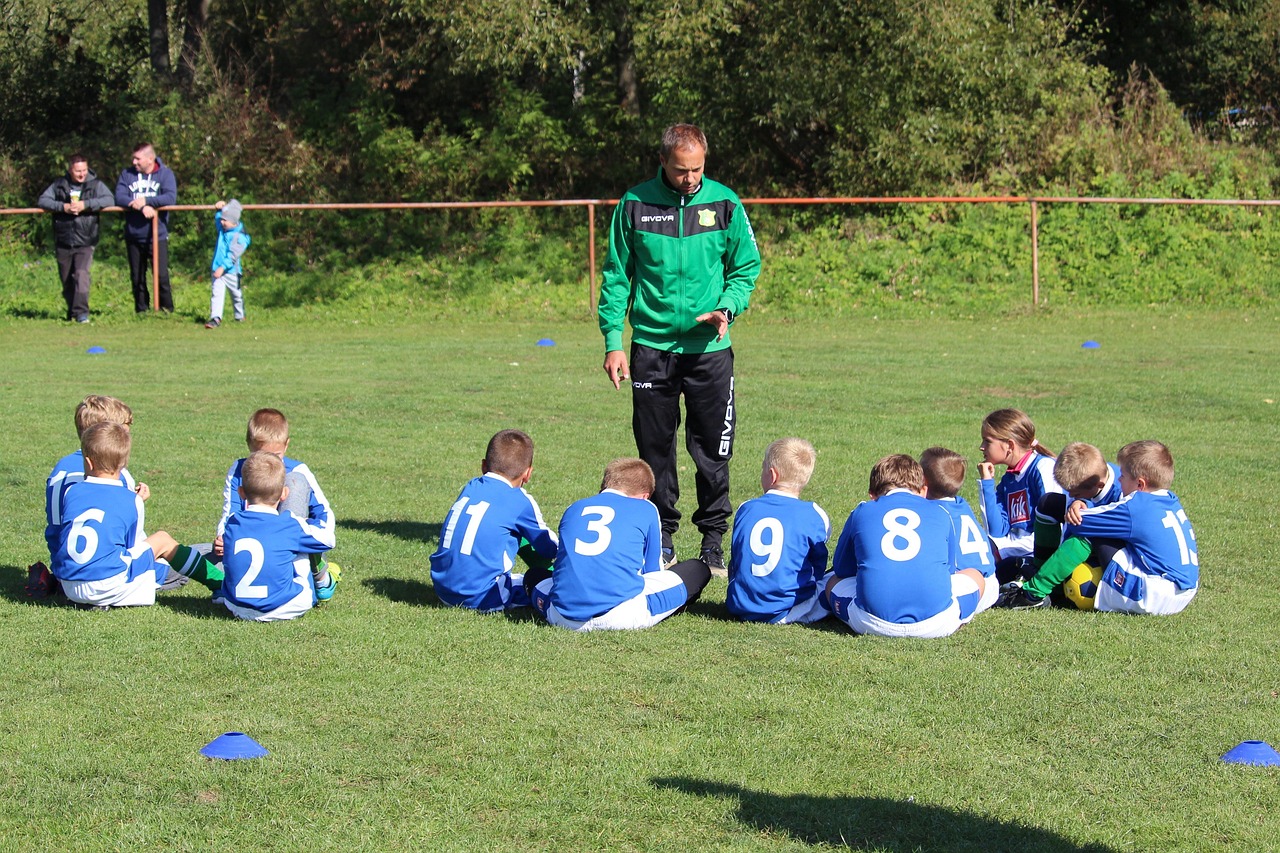

Time Management Tips for Football Coaches
As a football coach, managing your time effectively is crucial for preparing your team for success. Start by establishing a schedule that clearly outlines your practice sessions, meetings, and game days. This schedule should accommodate not only your commitments but also those of your players to ensure everyone can participate fully. One effective method is to implement time-blocking techniques in which you allocate specific blocks of time for different tasks. By visualizing how each minute will be spent, it helps eliminate distractions. Additionally, consider using digital calendars to send reminders to your team and staff about important upcoming events. Regularly revising and updating your schedules based on feedback from players and staff allows continuous improvement. Use a checklist to track goals and assignments, making it easier to manage tasks effectively. Emphasizing punctuality for yourself and your players promotes discipline and sets a professional tone. Lastly, don’t forget to schedule downtime for yourself, as this is essential for maintaining clarity and energy over the season. It’s vital for your performance and mental health to balance work and personal time to ensure you are at your best for mentorship.
Effective communication plays an essential role in time management for football coaches to maximize their effectiveness. Implementing clear communication strategies ensures that players are aware of their responsibilities and what is expected of them. Regular meetings should be held that recap expectations and address issues as they arise so that everyone remains informed. Also, utilizing group messaging platforms can streamline communication for quick updates and changes to practice schedules. Establishing norms regarding responsiveness is important; players need to understand that timely communication is part of the commitment. Encourage open dialogue, making sessions available for players to voice concerns about schedules and practice. Introducing team-building exercises can help foster a positive environment that encourages active participation. When players feel comfortable communicating, they are more likely to bring up conflicts that may affect their ability to manage their time. Incorporating visuals like charts or graphs showing the team’s progress can also motivate players by keeping them informed about how well they’re managing their development. This practice aids in creating accountability among team members, fostering a culture of commitment towards accomplishing set goals. Effective communication builds trust and ultimately leads to better time management.
Prioritizing Tasks
Another key aspect of effective time management for football coaches is prioritizing tasks both on and off the field. Identifying which tasks are most crucial in any given week can significantly influence how efficiently your coaching program runs. One way to prioritize your tasks is to categorize them into urgent and non-urgent while determining their impact on the team. Make a weekly action plan that outlines specific objectives for team practices, identifying main skills to focus on improving. By breaking down larger goals into smaller, manageable tasks, you can ensure that you make consistent progress. Implementing the Eisenhower Matrix can be an effective technique here; it encourages coaches to focus on what is both urgent and important, thereby reducing time spent on less valuable tasks. Regular progress reviews allow you to adjust priorities as needed, ensuring that evolving objectives are always addressed. For instance, evaluating player performance metrics weekly will help in prioritizing skills that require attention, allowing for the right focus during practice. A continuously evolving plan helps maximize productivity, assisting in fostering an atmosphere where players can develop their skills effectively.
Managing your training regimen effectively is critical for achieving the most out of each practice session. Start by creating a detailed plan for each session, including drills, skill assessments, and recovery periods. A well-structured practice not only optimizes your available time but also keeps players engaged and focused on tackling essential skills. Establish clear objectives for each drill so players understand the purpose behind their tasks. Incorporating different types of drills catering to various aspects of their game will keep training diverse and enjoyable, which can lessen burnout. Utilize timers during practice sessions to enforce a sense of urgency and keep everyone on track. Make sure to leave room for adjustments based on players’ performance and engagement levels. Due to the competitive nature of sports, it’s essential always to be adapting and improving practices based on player feedback and performance analysis. Make video analysis a part of the review process where applicable, allowing players to see their progress and areas for improvement. When players are directly involved in assessing their skills, it cultivates a sense of ownership and motivates them to manage their own practice time effectively.
Use Technology Wisely
Incorporating technology into your coaching routine can greatly enhance time management effectiveness. There are countless tools and apps available specifically for sports coaches to streamline planning, scheduling, and communication processes. For instance, using team management apps allows coaches to easily coordinate events and manage attendance for practices and games. Video analysis software can give coaches insights into player performance, helping to quickly identify areas needing improvement without wasting valuable time during practice. Moreover, these technologies can reduce scheduling conflicts by sending alerts and reminders to the entire team. Cloud-based platforms provide a collaborative workspace enabling coaches and players to share feedback and resources. Consider utilizing software for physical training logs where players can self-report their progress, thus minimizing time spent on administrative duties. Additionally, using stats and metrics software can help simplify evaluation processes and save time on assessments. Adopting these innovations will not only improve your efficiency but create a more structured and accountable team dynamic. Embrace technology and integrate it into your practice routines for an impact that can translate into improved performance on the field.
Encouraging players to develop their own time management skills is equally important for a successful coaching strategy. Teaching them about prioritizing tasks and setting realistic goals will enable them to manage their responsibilities both in practice and everyday life. Incorporate time management discussions into team meetings, stressing the importance of maintaining a balance. Guide players in creating individual time blocks dedicated to their development while allowing for flexibility when unforeseen circumstances arise. Help them understand how to use planners or digital tools effectively to keep track of their commitments. Reinforce the idea that strong time management will lead not only to better performance on the field, but also improved academic and personal lives. Encourage self-reflection through practices like journaling, enabling players to assess their daily effectiveness and identify areas needing improvement. Remind players that developing these skills requires ongoing effort and commitment. Furthermore, a workshop on time management skills can provide players with practical strategies to adopt when synchronizing various tasks. Ultimately, as players learn to manage their time better, the overall performance and cohesion of the team will likely improve, reflecting your dedication as a coach.
Review and Reflect
Regular reviews and reflections on both practices and games are integral for continuous improvement in time management. Conducting post-practice reviews allows both coaches and players to assess what worked well and what didn’t. Create a culture where constructive feedback is encouraged and fostered. This analysis helps in identifying time lapses during practices or game day that need addressing promptly. Schedule specific times after practices for team discussions, ensuring everyone has an opportunity to contribute to the reflection process. Use this time to reinforce the importance of time management repeat in future sessions. It can also be beneficial to keep performance records and align them with practice schedules. Analyze how practice efficiency impacts in-game performance outcomes to make adjustments accordingly. Consider implementing exit surveys after games, gathering input from players about their time management experiences during the period. Gathering data allows for more informed discussions during reviews, ultimately enhancing team performance and time management over the long term. Establishing a reflective practice gives an opportunity for players to learn the significance of reflection, preparation, and adaptation in all aspects of their performance.
Ultimately, mastering time management is a vital component for football coaches who strive for excellence. Combining effective strategies such as time blocking, prioritizing tasks, and leveraging technology showcases a proactive approach to ensure all tasks are met efficiently. Moreover, imparting these skills to players enriches their overall experience within the team while preparing them for challenges off the field. A balanced routine incorporating practice sessions, game days, and personal reflections is essential to achieving results. Coaches must cultivate an environment that promotes accountability among players while ensuring open dialogue and effective communication channels remain strong. Adapting to the team’s evolving needs and affirming a continuous improvement mindset will yield significant benefits. Refining your time management skills as a coach translates to a more organized approach, which resonates with players and instills enthusiasm toward achieving performance goals. Make it a point to set benchmarks for evaluating time management practices regularly. As you collectively progress during the season, success on and off the field will ultimately flourish due to the robust systems you’ve established. Coach the future champions by leading through exemplary time management practices, setting the tone for their athletic journeys.