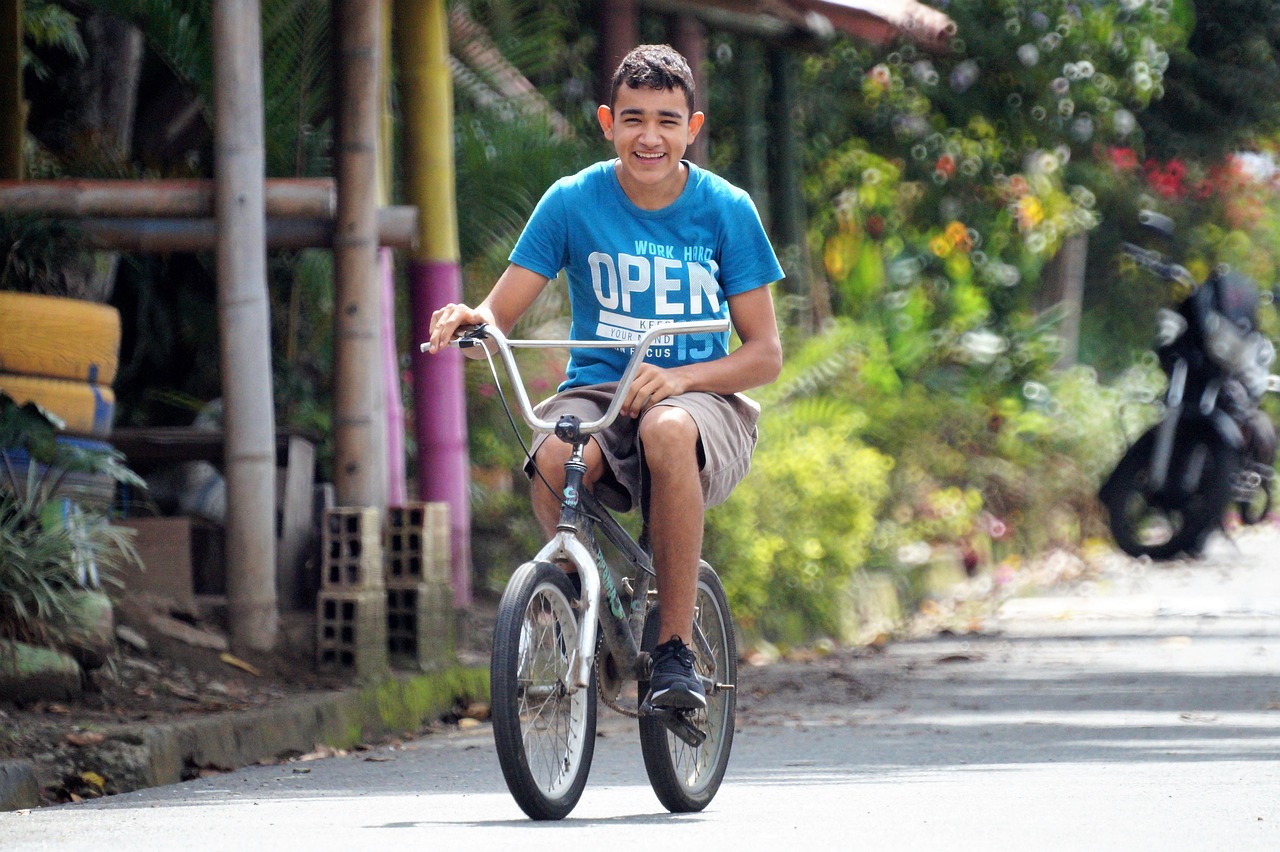

Cycling Events Designed Specifically for Youth
Engaging in cycling events designed specifically for youth is an excellent way to introduce young people to the joys of cycling. These events can take many forms, from races to leisurely rides, and they often focus on skill development and safety education. Youth cycling events are often organized by local clubs or schools, fostering a sense of community among participants. Additionally, they provide a platform for young cyclists to showcase their skills and build confidence in their abilities. Parents often appreciate these events as a means of encouraging a healthy, active lifestyle for their children. Many events also prioritize inclusivity, ensuring that kids of all skill levels have the opportunity to participate. Additionally, races can be divided into age groups, making it easier to accommodate varying levels of experience and competitiveness. Organizers often emphasize fun, teamwork, and personal achievement over the pursuit of victory. This encourages a positive environment where young cyclists can thrive and make lasting friendships. Cycling is not just a sport; it’s a lifelong skill that promotes fitness and wellbeing. Thus, youth cycling events are essential for nurturing the next generation of cyclists.
Another significant aspect of youth cycling events is the emphasis on education and safety. Many events incorporate workshops that teach essential skills such as bike maintenance, traffic rules, and safety practices. These workshops are crucial as they equip young cyclists with the knowledge needed to navigate roads safely. Additionally, many youth events focus on teaching how to properly wear a helmet and ensure that bikes are correctly fitted for the rider. A well-fitting bike and helmet can significantly reduce injury risk. Most organizers partner with local cycling organizations or safety experts to provide valuable insights and resources. This comprehensive approach significantly improves the experience for young riders and encourages a culture of responsibility. Moreover, some events offer mentorship opportunities where older or more experienced cyclists guide younger participants. This mentorship fosters valuable connections, providing youths with role models in the cycling community. Often, this relationship leads to increased participation in future events and creates a supportive cycling ecosystem. Safety training becomes a fun, engaging experience, helping children become confident and responsible cyclists. Ultimately, these educational opportunities are vital elements of youth cycling events.
Types of Youth Cycling Events
Various types of cycling events cater specifically to youth, each offering unique experiences and challenges. One popular type is the youth cycling race, which can range from time trials to criteriums. Races are typically categorized by age groups, allowing young cyclists to compete against their peers. This racing experience can enhance their skills and introduce them to competitive cycling. Another type involves fun rides, where the focus shifts from competition to enjoyment. Fun rides usually feature beautiful scenic routes and are more leisurely, often encouraging families to participate together. Additionally, some events are designed around skills competitions, where young riders can demonstrate their abilities in various bike handling courses. These competitions encourage participation from all skill levels and emphasize technique and control rather than speed. Events may also incorporate festivals or expos, offering activities like bike obstacle courses, games, and educational booths. Such events celebrate cycling culture and engage the community in meaningful ways. Schools and community organizations typically promote these types of events, ensuring young riders can participate and enjoy the camaraderie of cycling.
Moreover, many youth cycling events actively encourage participation from girls, aiming to close the gender gap in cycling sports. By organizing events specifically tailored for girls, organizers create platforms that empower them and tackle stereotypes. Programs often provide female role models, inspiring young girls to cycle competitively. Additionally, all-girls team competitions or clinics can promote a supportive environment. Such initiatives help develop a culture of inclusivity in cycling. Various non-profit organizations also advocate for girls’ cycling events, offering grants, scholarships, and training resources. These efforts significantly impact the growth of female participation in cycling. By engaging more girls in cycling, we inspire future generations of female athletes who can compete at higher levels. Community support is crucial in sustaining these initiatives, showcasing positive trends in participation rates. Creating opportunities for girls ultimately leads to healthier lifestyles and improved confidence. Cycling organizations often promote these events through social media, reaching a broader audience and sparking interest in youth cycling overall. This sustained effort can cultivate a more balanced cycling community, ultimately enriching the sport’s diversity.
Benefits of Cycling Events for Youth
The benefits of youth cycling events extend beyond just enjoying a sport; they play a significant role in fostering physical and mental wellbeing among young participants. Regular cycling helps develop cardiovascular fitness, muscle strength, and coordination. Engaging in events encourages kids to stay active and healthy, combating sedentary lifestyles promoted by excessive screen time. Furthermore, cycling builds endurance and stamina, attributes that are beneficial in all sports and physical activities. Beyond the physical benefits, youth cycling events can significantly enhance mental health. Participation promotes social interaction, allowing young people to forge friendships while learning valuable teamwork skills. This camaraderie among young cyclists creates a sense of belonging and boosts self-esteem. Furthermore, the goal-setting aspect of competitions helps children develop discipline and resilience. Facing challenges and overcoming obstacles during training and events fosters a growth mindset. In such a supportive environment, youths learn to celebrate victories while gracefully accepting losses. Organizers often celebrate everyone’s journey, nurturing a strong sense of accomplishment and community among participants. Thus, youth cycling events contribute significantly to holistic youth development.
Additionally, youth cycling events can foster environmental awareness. By promoting cycling as a primary mode of transportation, these events can instill eco-friendly values in young minds. Many such events emphasize sustainability, showcasing the advantages of reducing carbon footprints by cycling instead of driving. This awareness is crucial as a growing number of youth engage in discussions about climate change and sustainable practices. Engaging in cycling encourages advocacy for safer bike lanes and more cycling-friendly community initiatives. Events often collaborate with local governments and organizations to promote infrastructure enhancements, making cycling accessible for all. Creating environments where cycling is prioritized encourages a cultural shift towards greener transportation. Participants often learn about the importance of preserving nature and respecting their surroundings while enjoying their rides. As young people develop a passion for cycling, they become informed citizens advocating for improved resources for cyclists. Celebrating biking fosters a community to engage in environmental stewardship, encouraging future generations to maintain a strong connection with nature. Thus, these events have multifaceted impacts beyond the immediate benefits of cycling.
Conclusion: The Future of Youth Cycling Events
In conclusion, youth cycling events are vital for fostering a love of cycling among young people. These activities encourage physical fitness, mental wellbeing, and environmental awareness. By facilitating fun, educational, and competitive experiences, event organizers can instill lasting values in young participants, equipping them with essential life skills. Furthermore, promoting inclusivity ensures that all youth have opportunities to experience the joys of cycling, regardless of their background or skill level. As more communities recognize the importance of youth cycling events, we can expect to see increased resources and initiatives directed towards young cyclists. This future growth will help develop safe spaces for youth to engage in cycling while fostering teamwork and social interaction. Additionally, as awareness surrounding sustainability grows, cycling will increasingly be advocated as a primary means of transportation. Encouraging this mindset among youth is essential for preparing them to become environmentally conscious adults. The future of youth cycling events lies in collaboration and support from families, communities, and organizations, ensuring that cycling remains at the forefront of youth activities and development.
Ultimately, creating and promoting youth cycling events will leave a lasting legacy, inspiring generations of young cyclists. Opportunities for participation, growth, and enjoyment abound, highlighting the significant role cycling plays in youth culture. By prioritizing safety, fun, education, and inclusivity, we can develop a cycling community that empowers young individuals. The memories created during these events will contribute to lifelong commitments to cycling and active living. Cycling is not just a temporary trend; it is a lifelong passion that fosters personal growth and community connections. Therefore, investing in the future of youth cycling is essential for cultivating healthier, happier, and more engaged generations. As we continue to support these initiatives, we pave the way for the next generation of cyclists who will carry the torch of cycling’s rich tradition. With enthusiasm and commitment, we can ensure that youth cycling events continue to thrive, providing invaluable benefits for all participants. Together, we can create an environment where every child feels encouraged, inspired, and empowered to ride their bikes. In doing so, we will cultivate a cycling culture that enriches the lives of countless youth for years to come. All these combined efforts will foster a vibrant cycling community and ultimately make a significant impact on society.