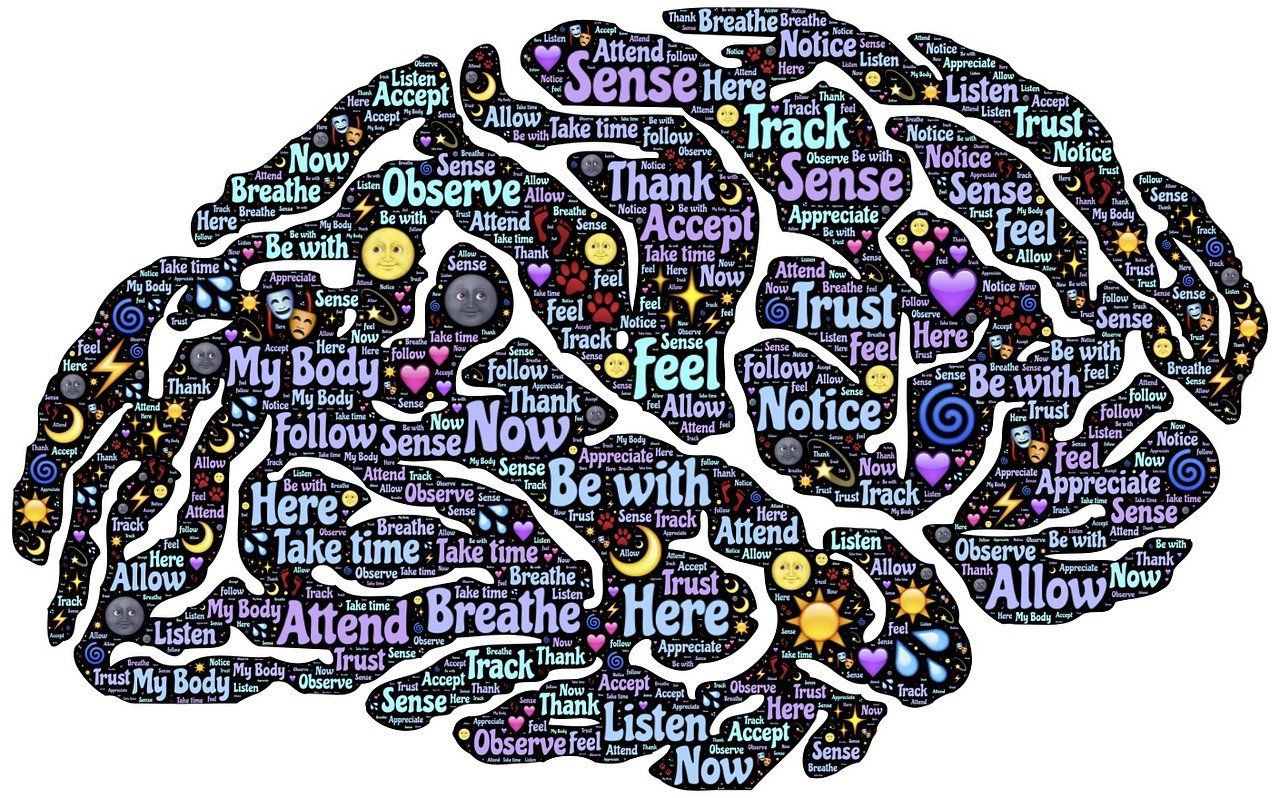

Harnessing Mind-Body Techniques to Improve Cancer Care Outcomes
The mind-body connection plays a pivotal role in cancer care, helping patients navigate the emotional and physical challenges of their diagnosis. Techniques like meditation, yoga, and guided imagery can significantly enhance well-being. They promote relaxation, reduce stress, and improve the immune response, which is crucial for cancer recovery. Evidence suggests that when patients engage in mind-body interventions, they often experience improved quality of life. These practices empower patients to take an active role in their healing journey, fostering a sense of control in the face of uncertainty. Research shows that mindfulness-based stress reduction can lower levels of anxiety and depression in cancer patients. Furthermore, these techniques encourage emotional expression, facilitating better coping mechanisms. Integrating mind-body approaches into standard cancer treatment can also enhance treatment adherence, as patients feel more mentally prepared for their therapies. In conclusion, the mind-body connection is vital in cancer care, offering benefits that range from emotional support to physical health improvements. Regular practice can lead to a holistic transformation in patients’ lives, making it a key component in cancer treatment strategies.
Mind-body techniques provide a variety of benefits tailored to the unique needs of cancer patients. One such technique is yoga, which combines physical movement with mental focus, improving flexibility and strength while also promoting relaxation. Various studies demonstrate that yoga can alleviate symptoms related to cancer and its treatments, including fatigue and anxiety. Additionally, mindfulness meditation helps patients cultivate present-moment awareness, which reduces rumination about past events or worries about the future. Research indicates that such practices improve emotional resilience, creating a buffer against stress. Guided imagery, another mind-body technique, encourages patients to visualize healing and wellness. This technique has shown promise in pain management, allowing patients to focus on positive imagery to distract from discomfort. Furthermore, biofeedback teaches individuals to control physiological functions, such as heart rate, to improve overall health. Many hospitals and cancer centers are now incorporating these practices into their wellness programs. Patients who engage in these techniques often report a significant improvement in their overall treatment experience. Thus, integrating mind-body strategies into traditional oncology care is essential for enhancing patient outcomes.
Research and Evidence on Mind-Body Techniques
Numerous studies have scrutinized the effects of mind-body techniques on cancer patient outcomes. A meta-analysis involving hundreds of patients highlighted significant reductions in stress and anxiety levels among those who practiced mindfulness and relaxation techniques. Additionally, studies have reported improved immune function in patients who engage in regular meditation and mindfulness exercises. The results suggest that these practices might enhance not only psychological well-being but also physical health. Moreover, researchers are increasingly exploring the biological mechanisms that underpin the mind-body connection in cancer patients. For instance, the reduction of cortisol levels—associated with stress—may play a critical role in improving patient prognosis. Attention to the mind-body connection fosters a more comprehensive approach to cancer care, merging psychological and physiological health. Such integration creates a well-rounded treatment plan that prioritizes the patient, considering their mental state vital for recovery. It also encourages patients to participate actively in their wellness journey, which might influence treatment adherence positively. As evidence mounts, healthcare providers are encouraged to employ these techniques as standard practice in cancer treatment protocols.
Patient narratives often lend insight into the real-world impact of mind-body techniques in cancer care. Many individuals express how engaging in activities like yoga and meditation fundamentally transformed their experiences during treatment. These practices allow them to regain a sense of agency amid feelings of helplessness. For example, cancer survivors report that meditation not only facilitated relaxation but also contributed to a profound reflective process, which allowed them to reassess life priorities. Similarly, guided imagery has helped patients visualize healing, making them feel more positive about their treatment regimen. Testimonials reveal a sense of community created through group sessions, which fosters emotional support among participants. These shared experiences help combat the isolation often felt by cancer patients. Furthermore, patients’ stories can drive interest and participation in mind-body interventions, as they demonstrate tangible successes. As awareness of the benefits grows, there’s an increasing demand for accessible mindfulness resources within oncology settings. This suggests a positive trend toward incorporating holistic approaches into standard cancer care, fostering an environment of healing that recognizes the importance of mental and emotional health alongside physical treatment.
Therapeutic Techniques: Practical Implementations
Implementing mind-body techniques in cancer care requires a strategic approach to ensure effectiveness. Healthcare providers can begin by integrating focused training for both staff and patients on mindfulness practices. Group classes for yoga and meditation can be organized within healthcare settings, enabling social benefits alongside physical practice. Additionally, providing resources like instructional videos and handouts can promote continued practice at home. Incorporating short guided meditations into waiting times can also be beneficial, offering patients moments of tranquility during stressful scenarios. Encouraging the use of mobile applications for guided meditation allows patients flexibility in their practice. Moreover, oncologists can facilitate conversations about these techniques during appointments, helping to make patients aware of the potential benefits. When patients feel supported in exploring mind-body approaches, they are more likely to engage with them meaningfully. Over time, these interventions cultivate a supportive treatment environment. Therefore, it’s crucial for healthcare institutions to foster collaborations with certified mindfulness instructors who can lead these initiatives within cancer care programs. By making these techniques accessible, hospitals prioritize comprehensive patient growth throughout their cancer journey.
Training and education play a vital role in the successful integration of mind-body techniques in cancer care. Healthcare professionals need detailed courses that highlight the importance of the mind-body connection. Educational programs should emphasize practical applications that staff can implement effectively in their practice. Understanding the psychological aspects of cancer treatment allows providers to address patients’ needs comprehensively. Moreover, training sessions can include experiential components, allowing healthcare providers to practice mind-body techniques. Experiencing mindfulness firsthand enhances empathy towards patients, facilitating greater support for their struggles. Additionally, it prepares healthcare workers to create supportive environments where patients feel encouraged to explore various techniques. In turn, this promotes better communication between patients and providers regarding holistic practices. As oncology care evolves, ongoing education on evolving therapies, including mind-body interventions, will be critical. Adapting to emerging research findings helps healthcare facilities remain at the forefront of patient care. Not only does staff training improve patient outcomes, but it also positions institutions as leaders in innovative cancer treatment, further enhancing their reputation. Consequently, comprehensive training programmes are essential in promoting the integration of mind-body practices throughout cancer care.
The Future of Mind-Body Techniques in Cancer Care
Looking ahead, the future of mind-body techniques in cancer care appears promising, with growing popularity and acceptance within medical communities. As more clinical trials emerge, documenting the effectiveness of these approaches, healthcare providers are more likely to embrace them. The development of standardized protocols can enhance innovation in delivering mind-body interventions. Additionally, collaboration between researchers and clinical practitioners will play a crucial role in refining and implementing these techniques effectively. There is also potential for integrating technology, such as virtual reality, into mind-body therapies to create immersive healing experiences for patients. This could enhance emotional regulation and cognitive reappraisal, further benefiting those undergoing treatment. Moreover, as awareness persists, health insurance companies may begin to cover mind-body techniques, making them more accessible to patients. Advocacy and education on the importance of mental health will continue to shape healthcare policy. Ultimately, a paradigm shift towards holistic patient care could emerge, recognizing the mind-body connection as integral to recovery process. Such developments can enhance patient well-being and potentially lead to more successful outcomes in cancer treatment. As research progresses, the landscape of cancer care will evolve, incorporating these vital interventions.
In summary, integrating mind-body techniques into cancer care can significantly enhance patient outcomes. From reducing anxiety and improving emotional resilience to fostering community connections, these approaches are vital for holistic care. The continual emphasis on research will support expanding knowledge and efficacy in this field. Overall, recognizing and utilizing the mind-body connection can transform cancer treatment by prioritizing patients’ mental and emotional health. As a result, healthcare professionals should champion these practices to help improve their patients’ experiences and empower their healing journeys.