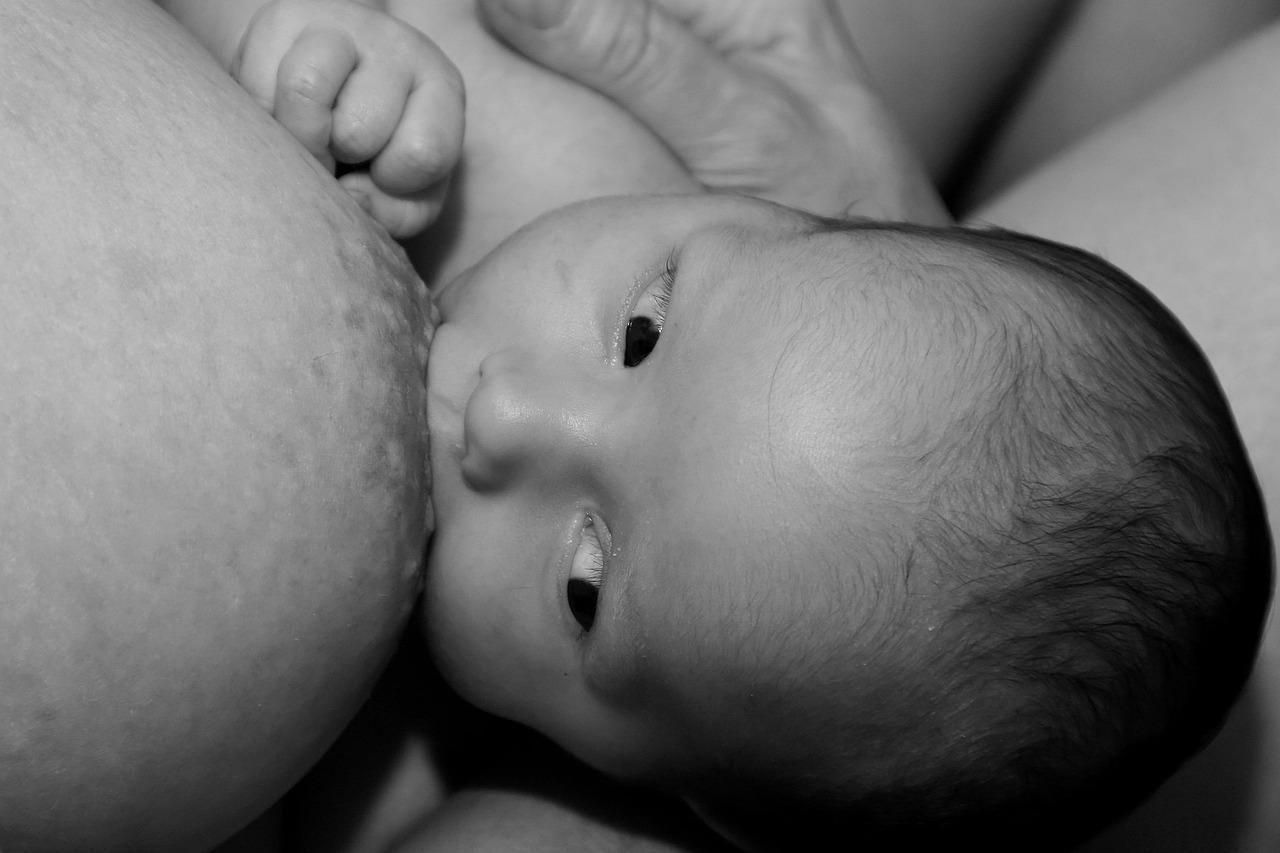

Signs You Need Pelvic Floor Rehabilitation After Pregnancy
After giving birth, many women experience various physical changes, and one common area of concern is the pelvic floor. This vital area supports the bladder, uterus, and bowel, and during pregnancy and childbirth, it can suffer significant stress. If you’re unsure whether your pelvic floor is functioning properly, be aware of certain signs that may indicate the need for rehabilitation. Frequent urination or the inability to control urination, especially during sudden movements like sneezing or coughing, can be alarming and should not be ignored. Similarly, if you experience any pelvic pain or discomfort during activities such as exercising, lifting, or even sitting comfortably, this could signal a malfunction. Furthermore, if you find it difficult to engage your core muscles or perform standard movements like squats, this may indicate a weakened pelvic floor. Lastly, if there’s noticeable difficulty or pain during intercourse, it’s essential to seek help. Don’t hesitate; addressing these issues early can vastly improve your quality of life and overall health.
Another significant indication that you may benefit from pelvic floor rehabilitation is postpartum prolapse. This condition occurs when pelvic organs descend due to weakened support from the pelvic floor muscles. Symptoms can vary in intensity, ranging from a feeling of heaviness in the pelvic region to noticing that something feels off or protruding. If you experience these feelings, it’s vital to consult with a healthcare provider who specializes in this area. Additionally, emotional factors such as anxiety or fear regarding physical intimacy can also stem from pelvic floor dysfunction. Many women report feeling discouraged or worried about engaging in activities that might strain their pelvic floor. These feelings are often valid and should be addressed with support and appropriate rehabilitation methods. It’s essential to remember that recovery is a process and many effective treatments are available, including exercises, physical therapy, and guided coaching sessions designed to rebuild strength and confidence. Seeking professional help not only aids in physical healing but can also be a source of emotional reassurance.
Chronic Discomfort and Pain
If you’re dealing with chronic discomfort in your lower abdomen, back, or pelvic area after childbirth, this could be a sign of pelvic floor dysfunction. Persistent pain could hinder daily activities, leading to a lower quality of life. Many women mistakenly believe that such discomfort is normal after giving birth, but that is not the case. Chronic pelvic pain can relate to muscle tension, overactivity of pelvic floor muscles, or nerve issues that develop post-pregnancy. Observing when the pain intensifies—whether during physical activity, standing, or lying down—can provide helpful information for a healthcare professional. Ignoring such pain is not advisable, as it can lead to more severe complications. Early intervention tactics like physical therapy focused on pelvic floor rehabilitation can help alleviate pain and improve mobility. Recognize that it is entirely possible to regain a pain-free life and engage in physical activities you enjoyed before pregnancy. Taking proactive steps towards recovery ensures that you remain unstoppable in achieving your health and fitness goals.
Another sign that may indicate a need for pelvic floor rehabilitation is experiencing digestive issues exacerbated by weakened pelvic muscles. Constipation or the urgency to have bowel movements can stem from impaired pelvic floor function. You might also notice that straining during bowel movements has become a regular behavior for you. Asking for help in such cases is crucial, as alleviating digestive discomfort often requires an integrated approach involving dietary changes, exercise, and rehabilitation. Often pelvic floor therapists will include exercises designed to enhance coordination between the pelvic floor and abdominal muscles, ultimately reducing digestive strain. If you’ve not been able to return to your regular bowel habits weeks or months after childbirth, it’s time to consult a specialist for guidance. Digestive health is intertwined with overall well-being, and addressing these concerns can lead to a more functional, symptom-free lifestyle. Remember, seeking help is a sign of strength and the first step towards recovery. You deserve to feel comfortable in your body again, so don’t hesitate to investigate these signs.
Changes in Exercise Capability
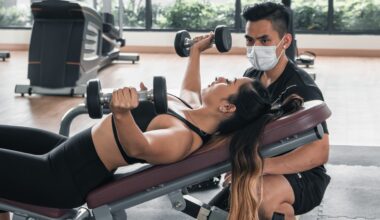
When returning to physical activities post-pregnancy, many women find that they can no longer perform exercises that were once easy for them. If you’re struggling with maintaining your workout routine and experiencing pain or leakage during activities such as running, jumping, or even strength training, this should be taken seriously. These problems often result from weakened pelvic floor muscles, which provide necessary support during physical exertion. Signs such as sudden leaks or the feeling of heaviness can occur even during less strenuous activities. There’s no reason to suffer in silence; effective rehabilitation programs exist specifically to address these issues. Engaging in targeted strength training can enhance pelvic floor function, ultimately enabling you to resume your fitness goals. Working closely with a trained professional allows for safe progression while gradually rebuilding your strength. Proper form and exercises are essential to avoid further complications. Exercise should be empowering, not an ordeal, so focusing on rehabilitation can make a significant difference in your postpartum fitness journey.
Emotional well-being often intertwines with physical health, and post-childbirth anxiety or depression could indicate a need for pelvic floor rehabilitation. Many women experience changes in their mental health, and these feelings can significantly hamper physical recovery. Notably, a weakened pelvic floor can lead to physical manifestations of emotional distress, creating an overwhelming cycle that affects both body and mind. If you find yourself feeling apprehensive about your body, physical intimacy, or even general activities, it serves as a clue to assess your pelvic health. Addressing these emotional struggles is vital, as they can often stem from unresolved physical issues. Finding the right support and guidance from healthcare professionals who understand this complex relationship facilitates a more holistic approach to recovery. Whether it’s therapy, support groups, or physical rehabilitation specifically tailored to your situation, know that you’re not alone in this journey. Mental and physical restoration can happen simultaneously, leading to a more fulfilling and joyous postpartum experience.
In Conclusion
Ignoring any signs of pelvic dysfunction postpartum can lead to lasting complications, affecting many aspects of life. However, recognizing these signs—such as urinary incontinence, pelvic pain, stress during exercises, or emotional struggles—can motivate women to seek appropriate care. Understanding that pelvic floor rehabilitation is a viable and necessary option can empower new mothers to reclaim their strength and confidence. Effective rehabilitation not only targets physical recovery but also nurtures emotional and mental well-being, paving the way for a healthier lifestyle moving forward. If you’ve noticed any of these alarming signs, don’t wait; professional help is essential. Taking proactive measures fosters an environment for healing and wellness. You deserve support and encouragement during this transition period, and with the right help, a full recovery is achievable. Remember, recovery is not a simple path; it requires compassion, persistence, and commitment. A robust pelvic floor can enhance your quality of life and appreciate the body’s changes after childbirth. As such, investing in rehabilitation is one of the best decisions you can make for yourself.