
Top Recovery Techniques for Tennis Players to Accelerate Healing
Tennis players endure significant physical stress and strain during matches and training. Implementing effective recovery techniques is vital for maintaining optimal performance throughout a season. Recovery techniques can enhance muscle healing, reduce soreness, and restore energy levels. Among the most popular methods is active recovery, which involves low-intensity exercise post-match, such as walking or cycling. Additionally, proper hydration plays a critical role in recovery. Drinking water and electrolyte-rich beverages can help replace fluids lost during the game. Nutrition is equally essential, with a focus on consuming protein and carbohydrates to aid muscle repair. Foam rolling is another effective technique, promoting circulation and alleviating muscle tightness through myofascial release. Stretching before and after playing can improve flexibility and decrease injury risk. Incorporating rest days into your training plan can help prevent overtraining and burnout. It’s essential for players to listen to their bodies and allow adequate time to recover between sessions. Overall, prioritizing these recovery techniques can lead to improved performance on the court.
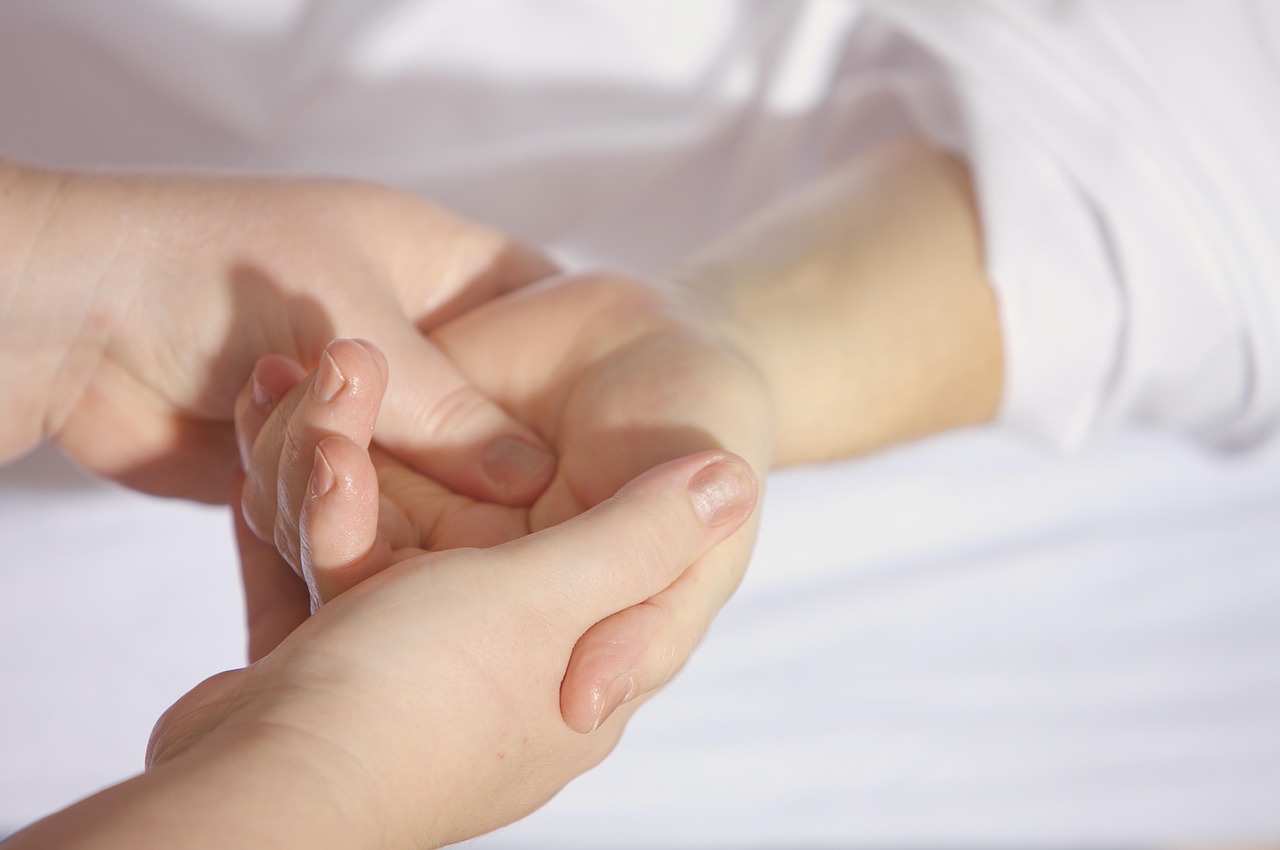
One of the most effective recovery techniques for tennis players is cold water immersion therapy, often referred to as ice baths. This method involves immersing the body in cold water to promote recovery and reduce inflammation. Many elite athletes utilize this technique after strenuous workouts or competitive matches. Not only does it help to decrease muscle soreness, but it can also enhance the overall recovery process. Players often complement this therapy with compression garments, which support muscle function and improve blood circulation. These garments can be worn during and after matches to reduce swelling and promote faster healing. Another technique involves utilizing contrast baths, alternating between hot and cold water, which can boost circulation and promote relaxation. Incorporating massages into the recovery routine has shown significant benefits as well. Regular massages can improve blood flow, remove toxins, and decrease muscle tension. Moreover, players often explore myofascial release techniques using tools like foam rollers or massage balls to target tight areas. In conclusion, employing these methods can help athletes recover efficiently and maintain peak performance in their sport.
Tennis players should also focus on quality sleep as a recovery technique. Sleep is crucial for overall health, muscle recovery, and cognitive function. During deep sleep stages, the body undergoes essential repair processes, including muscle synthesis and hormone regulation. Establishing a consistent sleep schedule can improve sleep quality significantly, allowing players to awake refreshed and ready for training or competitions. One method to enhance sleep quality is to create a comfortable sleep environment and minimize distractions, like light and noise. Players can further optimize recovery through techniques such as yoga or breathing exercises. Yoga not only enhances flexibility but also promotes relaxation and decreases stress levels. Breathing exercises can help manage anxiety and improve mental clarity, which is crucial for performance on the court. Incorporating mindfulness practices such as meditation can assist players in focusing better during matches, resulting in stronger performances. Players should also be mindful of the importance of nutrition throughout their recovery journey. A holistic approach combining sleep, physical activities, relaxation techniques, and proper nutrition forms the foundation for effective recovery in tennis athletes.
Hydration and Nutrition for Optimal Recovery
Proper hydration is essential for athletes, as it directly impacts recovery and performance in tennis. Dehydration can lead to decreased physical performance, fatigue, and prolonged recovery times. Players should aim to drink water before, during, and after matches. A common guideline is to consume 500ml of fluid for every hour of intense activity. In addition, electrolyte drinks can be valuable in replacing lost minerals. Post-match nutrition is equally important. Consuming a meal or snack containing carbohydrates and protein within 30 minutes after playing can facilitate faster recovery. Meals might include lean protein sources, whole grains, and fruits. Sports nutritionists recommend including foods rich in antioxidants, such as berries, to combat oxidative stress from strenuous activity. Omega-3 fatty acids found in fish can also aid in reducing inflammation. Players should pay attention to individual dietary needs and preferences while ensuring they obtain the necessary nutrients. Regular consultation with a sports nutritionist can help develop tailored recovery meal plans. Ultimately, focusing on hydration and nutrition will optimize recovery, allowing players to perform at their best and minimize injury risks.
Another interesting recovery technique involves utilizing technology, such as recovery apps and wearables, to monitor player performance and recovery metrics. These tools can track sleep patterns, resting heart rates, and muscle recovery statuses. They provide valuable feedback for players to assess their recovery needs over time. By analyzing this data, athletes can identify when to push forward with training or when to allow more time for recovery. Wearables with heart rate variability measurements can be particularly useful, as changes can indicate if a player is ready to perform or needs additional recovery time. Additionally, recovery solutions like infrared saunas are gaining popularity among athletes. These saunas may accelerate muscle recovery through increased blood circulation and improved relaxation. Athletes often find them beneficial after intense training sessions or tournaments. Moreover, guided relaxation techniques through apps can also be effective. These might include progressive muscle relaxation, visualization exercises, or deep breathing activities. Integrating technology into the regimen allows players to take a data-driven approach toward enhancing recovery strategies on their paths to achieving athletic excellence.
Active Recovery Techniques and Their Benefits
Active recovery techniques play a vital role in the recovery process for tennis players, emphasizing low-intensity physical activities post-exercise. Engaging in activities such as walking or gentle stretching can promote blood flow and prevent stiffness, helping muscles to recover efficiently after strenuous play. The goal is to facilitate the removal of metabolic waste, such as lactic acid, while delivering nutrients necessary for muscle repair. Moreover, low-impact exercises, such as swimming or cycling, can enhance overall cardiovascular fitness without putting additional strain on already stressed muscles. Yoga and Pilates can serve as excellent active recovery sessions, improving flexibility and core strength simultaneously. Incorporating light resistance training on recovery days can stimulate muscle repair without compromising recovery processes. Players may also engage in sports-specific drills focused on skills rather than intensity, maintaining muscle activation without fatigue. This approach is essential for long-term performance and injury prevention. Integrating active recovery techniques into a training regimen creates a balanced routine that supports player wellness and optimizes preparation for upcoming matches or tournaments.
Lastly, mental recovery strategies are often overlooked but are equally crucial for tennis players. The mental aspect of the game requires significant focus and resilience throughout matches. Incorporating relaxation techniques can effectively aid in the recovery process. Techniques, such as mindfulness meditation, can alleviate stress and enhance mental clarity. Visualization methods enable athletes to imagine successful performances, boosting confidence while reducing anxiety before games. Engaging in enjoyable activities outside of tennis is also beneficial. Activities like reading, spending time with family, or pursuing hobbies can recharge emotional energy. Balancing intense training schedules with enjoyable downtime allows players to approach their sport with renewed motivation. Furthermore, it’s important to regularly consult sports psychologists for support combating performance anxiety and mental fatigue. Developing mental resilience is just as vital as physical endurance for athletes. Incorporating mental recovery techniques into the overall recovery plan contributes to sustained performance and satisfaction in their tennis journey. By focusing on comprehensive recovery strategies, players can prepare for high-level competition and achieve their performance goals effectively.
Implementing these various recovery techniques not only enhances on-court performance but also ensures overall well-being for athletes. By addressing both physical and mental aspects of recovery, tennis players can achieve sustainable progress throughout their athletic careers.