
Yoga Poses Every Athlete Should Master for Optimal Performance
Yoga is a potent practice that enhances athletic performance. For athletes, mastering specific yoga poses can improve flexibility, strength, balance, and mental focus. Incorporating these poses into a regular training routine can help athletes recover from injuries more effectively and prevent them. Here are some essential yoga poses that every athlete should consider adding to their repertoire. These poses not only provide physical benefits but also promote mindfulness. With the right guidance, athletes can seamlessly integrate yoga into their fitness regimen, boosting their overall performance and durability. Practicing yoga can help cultivate a deeper connection between the body and mind, enhancing athletic prowess. Commit to a regular yoga practice, and you will likely notice improvements in your physical abilities and mental clarity on the field or court. Athletes aiming to excel will find that yoga facilitates better body awareness, promotes a sense of calm, and develops patience. Transform your training by embracing these yoga principles, which will lead to holistic growth. Consider consulting a certified instructor for tailored routines designed to meet your specific athletic needs, maximizing your results.
One of the most beneficial poses for athletes is the Downward-Facing Dog. This fundamental pose stretches the hamstrings, calves, and spine while strengthening the arms and shoulders. It’s an excellent pose to incorporate as part of a warm-up or cool-down routine. To perform this pose, start on your hands and knees, then lift your hips up and back, forming an inverted V shape. Allow your heels to sink toward the floor while keeping your spine elongated and shoulders relaxed. Hold this position for five deep breaths to reap the maximum benefits. Another great pose is the Warrior II, which enhances leg strength and stability. It engages multiple muscle groups, including the quadriceps and core muscles. Stand with your feet wide apart, then rotate your left foot outward and bend your left knee, resting your arm alongside your body. Gaze over your front fingers and maintain steady breath throughout the pose. Integrating these poses into daily practice can offer lasting effects on athletic efficiency. Coupled with practical training, they create a balanced approach to conditioning.
Building Core Strength with Boat Pose
The Boat Pose is crucial for athletes looking to enhance core strength and balance. This pose requires engagement of the abdominal muscles, which are fundamental for most athletic activities. Start seated on the mat, lean back slightly, and lift your legs so that your body forms a V shape. Hold the position while keeping your back straight and your chest open. Focus on your breathing as you hold this pose for a count of five breaths. Consistently practicing the Boat Pose not only engages your core but also improves flexibility in the spine. A strong core contributes significantly to overall athleticism, supporting greater control and stability during performance. With a stronger core, athletes can enhance their efficiency, reducing the risk of injury during high-intensity activities. This pose may initially feel challenging but becomes easier with dedication. Incorporate it into a routine that blends strength and flexibility work for comprehensive results. Over time, you will observe greater stability and power in your athletic pursuits as you master this fundamental pose.
In addition to strength, Tree Pose is essential for enhancing balance and focus. This esteemed yoga pose requires concentration, making it particularly beneficial for athletes who need to develop their mental game. To practice Tree Pose, stand tall and shift your weight onto one leg. Bend the opposite knee and place your foot on the inner thigh or calf of your standing leg. Each breath during this pose should symbolize your connection to grounding and balance, which are crucial in any sport. The Tree Pose fosters leg strength as well while calming the mind and cultivating concentration, especially under pressure. Athletes can benefit from the stability it offers, leading to improved performance on the field or in the gym. Improving balance enhances agility and coordination, which are essential traits in most sports. With consistent practice, you will notice improved focus, allowing you to perform with increased clarity and precision during competitions. Explore deeper variations as your skills develop, making the Tree Pose a dynamic part of your training routine.
The Power of Pigeon Pose
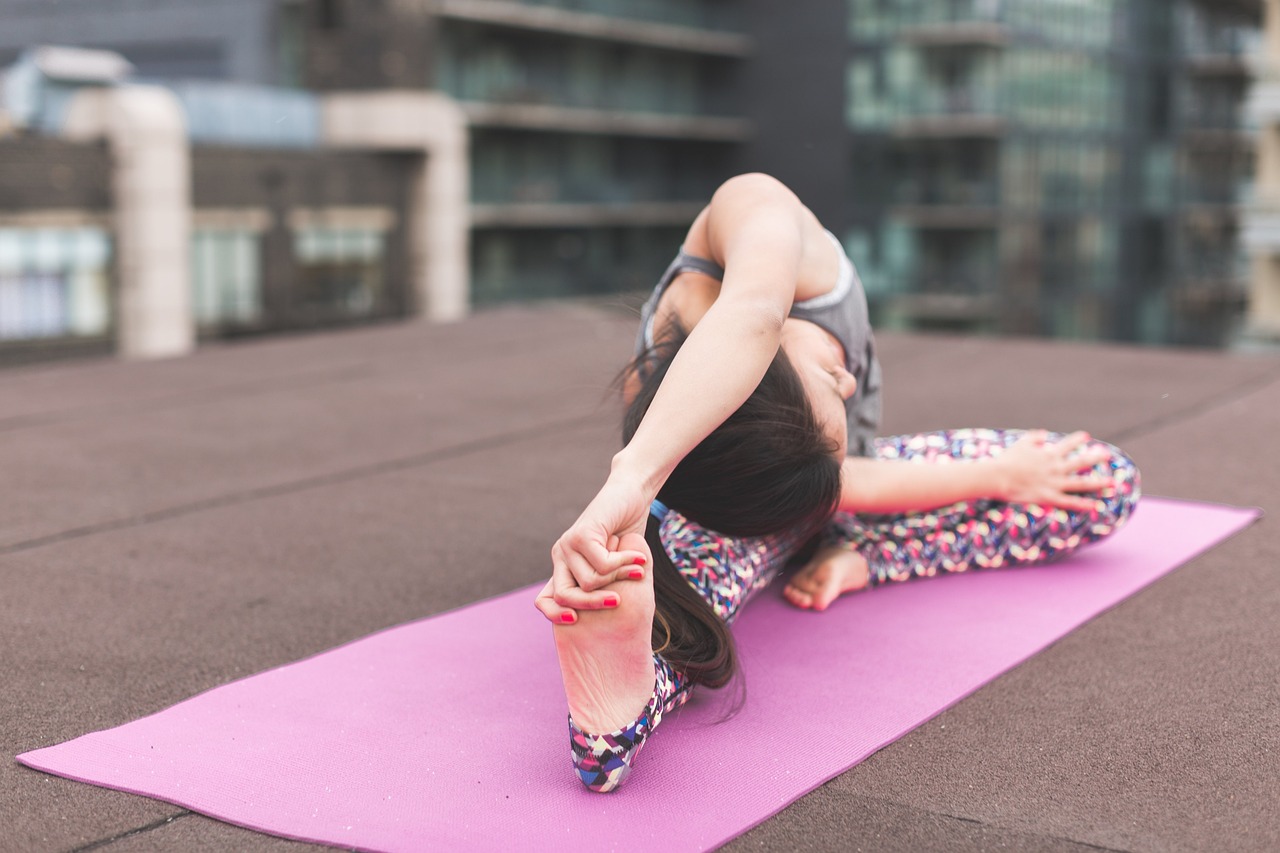
Pigeon Pose, or Eka Pada Rajakapotasana, is vital for athletes needing to open up tight hips and improve flexibility. Sitting for extended periods coupled with intense physical training often leads to tension in the hip area. To perform Pigeon Pose, begin on all fours and draw one knee forward towards your hand while extending the other leg straight behind you. Lower your torso towards the ground, resting on your arms or forehead. Hold this posture for several deep breaths, experiencing the release of tension in the hip. Regular practice of Pigeon Pose can help improve stride length and lower body awareness, enhancing athletic performance. It also contributes to better overall posture, which can prevent injuries over time. Athletes will find that increased hip flexibility promotes fluid movements in their sport of choice. Incorporating this pose into post-training routines can profoundly affect recovery and mobility. Make sure to practice both sides to maintain balanced flexibility throughout the pelvis. This holistic approach will yield long-lasting effects on athletic efficiency.
Child’s Pose is another restorative pose beneficial for athletic recovery. This pose is deeply relaxing and helps to stretch the back, hips, and thighs. To get into Child’s Pose, kneel on the floor with your big toes touching and knees hip-width apart. Sit back on your heels and walk your hands forward, lowering your brow to the ground. This position facilitates deep breathing and mental relaxation. Stay in Child’s Pose for several breaths, allowing your body to release any tension accumulated during training. This strikingly simple pose aids in recovery, helping athletes to unwind post-training and refocus their thoughts. Athletes benefit immensely from the calming effects Child’s Pose provides, aiding in reducing stress levels. It also improves flexibility in the spine and promotes an overall sense of peace and well-being. Practicing this pose regularly promotes recovery, balancing the body and mind. Integrating both strengthening and restorative poses is essential in athletic training. This combination leads to optimum performance outcomes and injury prevention.
Conclusion on Integrating Yoga into Athletic Training
Finally, it is crucial for athletes to recognize that integrating yoga into their training regimens can significantly enhance performance. The poses discussed, including Downward-Facing Dog, Warrior II, Boat Pose, Tree Pose, Pigeon Pose, and Child’s Pose, all provide unique benefits contributing to overall athletic prowess. By committing to a consistent yoga practice, athletes can improve physical and mental endurance. Integrating yoga not only supports flexibility and strength but also fosters a greater mind-body connection crucial for performance enhancement. Embrace the benefits of yoga today; it can transform how you train and compete. Consider seeking guidance from certified instructors to craft a holistic approach tailored to individual needs. Each athlete’s unique journey will evolve as they combine traditional training with yoga. To maximize results, find a balance between strength-building exercises and restorative practices offered by yoga. Over time, athletes will notice substantial improvements in their agility, focus, and power during their respective sports. Ultimately, yoga serves as an invaluable tool for fostering optimal performance in any athletic activity—complete the balance and experience incredible results.
In conclusion, the benefits of mastering specific yoga poses extend far beyond mere physical enhancements; the mental clarity and focus they facilitate are equally significant. Athletes who consistently practice yoga report improved concentration during competitions and a heightened ability to manage stress. For maximum effectiveness, it is essential to establish a regular practice routine that works around the demands of an athlete’s training schedule. Creating a space where yoga can be practiced in tranquility allows athletes to fully engage with these poses, promoting a restorative experience. Remember, while these poses can elevate performance, they must be approached with intention and respect for one’s own body limitations. Gradual progression into more advanced poses should only occur with adequate strength-building and flexibility training. By incorporating yoga into their regimen, athletes unlock pathways to improved performance, greater resilience, and lowered injury risk. Endeavor to explore numerous styles and approach each class with curiosity and mindfulness. Through the transformative power of yoga, athletes can achieve new personal heights while developing sustainable habits for lifelong fitness. Embrace this journey towards better wellness and performance, for it is truly rewarding.