
The Role of Biomechanics in Cardiovascular Health for Athletes
Biomechanics, particularly in the context of the cardiovascular system, plays a defining role in the health and performance of athletes. Understanding the forces and movements involved in athletic activities allows for better training techniques, aimed at optimizing cardiovascular efficiency. By analyzing gait, running mechanics, and body postures, professionals can identify how anatomical changes affect blood flow and heart function. Increased strain on the heart due to improper techniques can lead to long-term injuries or health issues. Thus, biomechanics helps shape training regimens that maximize performance while minimizing risks of cardiovascular problems. Athletes, ranging from marathon runners to sprinters, benefit from tailored biomechanical assessments. Such evaluations can reveal inefficiencies in movement, enabling coaches to make informed adjustments. Athletes learn how comfortable, efficient movements enhance performance while keeping their cardiovascular systems healthy. The study of biomechanics also informs injury prevention strategies, fostering resilience against common ailments that plague athletes. Knowledge about mechanics not only informs training but also rehabilitation, highlighting its indispensable role in sports science and health management for active individuals.
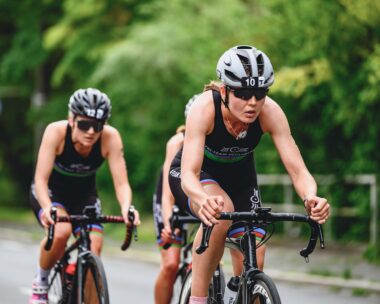
Key components of biomechanics affecting cardiovascular health include force, motion, and energy transfer. When athletes run, cycle, or engage in other physical activities, their cardiovascular systems undergo significant strain. Understanding how these forces interact can greatly enhance performance while reducing potential injuries. Athletes tend to operate at high cardiac output, which requires efficient oxygen delivery and nutrient transport. During training, mechanics can be analyzed by measuring parameters like heart rate variability, stroke volume, and cardiac output. These metrics give a clearer picture of cardiovascular efficiency and overall fitness levels. For example, high-intensity training often results in beneficial adaptations to the cardiovascular system. In contrast, poor exercise mechanics might lead to unnecessary stress, resulting in potential disruptions to cardiovascular health. Moreover, leg and arm motion can influence heart rate responses. Therefore, effective coaching should focus on optimizing biomechanics to balance exertion with recovery. Regular assessments can lead to more personalized training programs, which enable athletes to maximize cardiovascular benefits while minimizing risks. Ultimately, understanding biomechanics illuminates pathways for athletes seeking peak performance and long-term health.
Training Techniques to Optimize Cardiovascular Function
Incorporating biomechanical principles into training techniques can yield remarkable improvements in cardiovascular function among athletes. One commonly utilized method is high-intensity interval training (HIIT), which maximizes cardiovascular output while addressing biomechanical efficiency. This training style allows athletes to perform short bursts of intense exercise followed by rest or lower-intensity activity. During these intervals, heart rates skyrocket, promoting improved oxygen uptake and cardiovascular conditioning. Furthermore, interval training often emphasizes proper form and efficiency, which is crucial for maintaining good biomechanics. Athletes can benefit from using tools like heart rate monitors to gauge their exertion levels compared to their biomechanics. Practicing proper movement patterns reduces the potential for injury. Specialized sessions focusing on skill drills help athletes refine their techniques and ensure movements complement cardiovascular efforts. Pilates and yoga, while not traditional cardiovascular workouts, also emphasize form and functional biomechanics that can indirectly improve heart health. They promote core strength and flexibility, allowing athletes to move efficiently. This holistic approach reinforces the essential nature of biomechanics in developing cardiovascular health and promoting overall athletic performance.
Recovery is another vital aspect where biomechanics influences cardiovascular health for athletes. Post-training recovery strategies should include both physiological and biomechanical consideration to ensure optimal heart function. Techniques such as active recovery and foam rolling can help restore proper circulation and enhance blood flow to muscles, subsequently supporting cardiovascular efficiency. These practices alleviate soreness while enabling the heart to effectively deliver oxygen and nutrients to fatigued areas. Moreover, proper hydration and nutrition during recovery periods are crucial. Adequate hydration supports blood viscosity and improves heart performance, while nutrients like electrolytes aid recovery and performance. Implementing a well-rounded recovery plan can bolster athletes’ readiness for subsequent workouts while safeguarding cardiovascular health. Strategies like cool down sessions may also reinforce biomechanical principles. Gradually decreasing intensity helps maintain cardiovascular workload within healthy limits. Integrating breathing exercises promotes relaxation, aiding recovery further. Activities focused on mindfulness can support both mental wellness and physical processes during recovery. Athletes can best optimize their performance through dedicated recovery and balanced training regimens that consider biomechanics, leading to long-term cardiovascular health and sustainability in their sports.
Impact of Equipment on Cardiovascular Biomechanics
The equipment used in various sports significantly affects biomechanics, ultimately influencing cardiovascular health for athletes. Footwear, for example, can have profound effects on biomechanics during running or cycling, impacting force application and energy return. Well-designed athletic shoes improve shock absorption and promote natural movement, which in turn supports cardiovascular efficiency. Conversely, improper footwear may lead to misaligned movements, placing unwanted stress on the heart and denying optimal blood flow. Additionally, advances in athletic gear, such as heart rate monitors and biomechanical analysis software, empower athletes to make data-driven decisions about their training. These tools allow for better understanding and application of biomechanics to assess individual performance. Each piece of equipment contributes to the maintenance of proper biomechanics, including clothing that promotes breathability without restriction. Sports technology plays an essential role by enabling real-time assessment, revealing inefficiencies in movement that could impact cardiovascular health. By combining good equipment choices with informed training, athletes can effectively address performance concerns while prioritizing heart health. This synergy fosters continuous improvements in biomechanics and ultimately, contributes to achieving long-term athletic success and cardiovascular stability.
Ultimately, enhancing cardiovascular health through biomechanics enriches not just athletic performance but general wellbeing. Athletes who engage in mindful biomechanical assessments often report improved energy levels and reduced incidences of fatigue. Enhanced cardiovascular efficiency reduces stress on the heart, resulting in a lower risk of chronic conditions that could impede their competitiveness. By integrating principles of biomechanics into daily training practices, athletes are better equipped to analyze their movement and identify areas for improvement. This process involves systematic evaluations, ensuring a comprehensive understanding of the relationship between body mechanics and cardiovascular functioning. Having the right techniques enhances blood flow, oxygen delivery, and overall heart performance. Providing education on mechanical efficiency also empowers athletes, forming a solid foundation for sustainable athletic endeavors. Coaches and trainers can utilize these insights to foster healthy habits and training techniques. Collaboration between biomechanics specialists and trainers can facilitate knowledge transfer, culminating in tailored programs that meet athletes’ unique needs. Advocating for consistent biomechanical evaluations cultivates a culture of health and performance that prioritizes the cardiovascular system. The collective goal is to enhance an athlete’s life and career through biomechanics and optimize long-term cardiovascular health.
The Future of Biomechanics in Athlete Health
As technology advances, the future of biomechanics in athlete health looks promising, especially in improving cardiovascular conditions. Innovations in wearable technology are paving the way for more accurate biomechanical analyses and personalized training programs. Devices that monitor biomechanical data in real-time will become increasingly prevalent, offering athletes immediate feedback on their technique and exertion levels while exercising. This level of detail can enhance their understanding of how biomechanics directly affects their heart health and performance. Future research may focus on decoding complex data patterns that correlate specific biomechanical movements with cardiovascular responses. This knowledge could lead to revolutionary changes in athletic training and rehabilitation practices. Integrative approaches combining biomechanics with other fields, such as nutrition or psychology, may promote comprehensive athlete wellness. Personalized coaching systems could emerge, utilizing data analytics to develop individualized training plans that optimize biomechanics and cardiovascular outcomes. Embracing a holistic perspective on athlete health serves to foster longevity in sports careers while safeguarding cardiovascular performance. Understanding biomechanics can empower athletes to take control of their health, leading to a healthier generation of competitors and encouraging responsible advocacy for cardiovascular wellness.
In conclusion, biomechanics plays an indispensable role in cardiovascular health for athletes. By comprehensively understanding movements and their physiological impacts, athletes can significantly influence their training, performance, and overall health. The narrative of athletic life is shaped largely by biomechanics which considers both the physical and health outcomes of high-performance activities. Innovations in training, recovery, and technological advancements enhance this interaction, leading to beneficial adaptations for cardiovascular efficiency. Active engagement with biomechanics enriches the lives of athletes and augments their entire athletic experience. Enhanced cardiovascular health leads to improved athletic output and fosters longevity in sports careers, creating lasting impacts. Developing effective strategies that prioritize biomechanical assessment will ensure athletes can compete at their highest levels while maintaining robust heart health. The journey demands a combination of sound biomechanics, introspective training practices, and recovery methods that honor both the workout and the body. With the right focus on biomechanical principles, athletes open the door to life-long cardiovascular health and resilience. The intersection of biomechanics and cardiovascular health will continue shaping the future of athletics, ensuring that athletes not only excel but thrive.