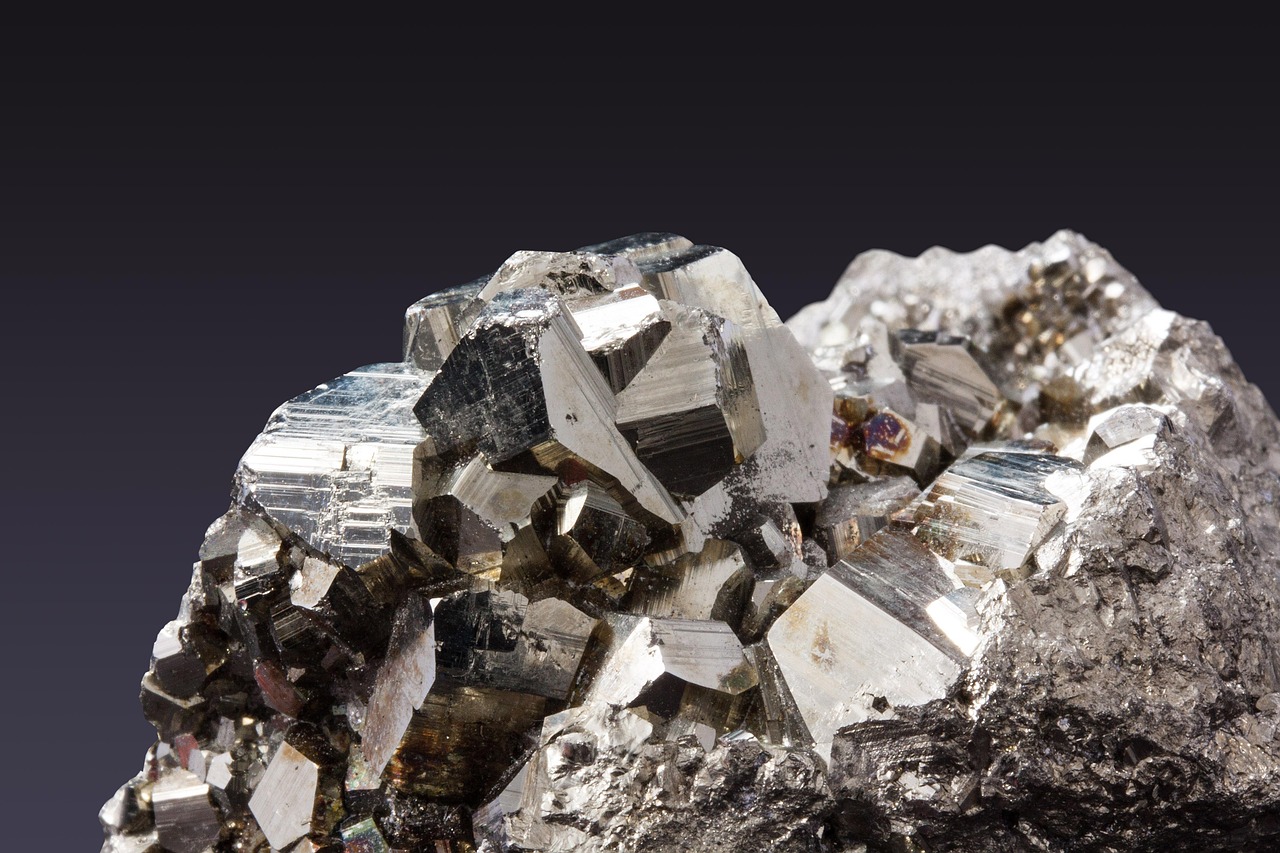

The Role of Iron and Other Minerals During Fitness Challenges
Engaging in fitness challenges requires more than just motivation; nutrition plays a pivotal role. Essential minerals, including iron, significantly impact performance and recovery. Iron is vital for transporting oxygen in the bloodstream, which fuels muscles during intense workouts. Picking up weights or indulging in long-distance runs can deplete iron reserves if not carefully managed. Insufficient iron can lead to fatigue, reduced endurance, and decreased athletic performance. Therefore, incorporating iron-rich foods is crucial for anyone participating in fitness challenges. Foods high in iron include lean meats, legumes, and fortified cereals. Additionally, vitamin C enhances iron absorption, so combining these foods with fruits such as oranges and strawberries can be beneficial. Overall, understanding the importance of iron is crucial for athletes to optimize their training results and maintain energy levels consistently. Along with iron, several other minerals are vital as well. For instance, calcium strengthens bones, magnesium supports muscle function, and zinc aids recovery processes. Neglecting these can hinder overall fitness progress, emphasizing the need for a balanced intake of essential nutrients during training. Prioritizing mineral-rich foods will enhance performance and promote long-term health.
The Importance of Magnesium
Magnesium is another vital mineral that plays a significant role during fitness challenges. It is involved in over 300 biochemical reactions in the body, including energy production, muscle contraction, and nerve function. During intense workouts, magnesium helps maintain energy levels, preventing fatigue and ensuring peak performance. Athletes often overlook magnesium, leading to deficiencies that can negatively impact their training. Symptoms of magnesium deficiency include muscle cramps, weakness, and irritability. To counteract these risks, it’s crucial to include magnesium-rich foods in your diet, such as nuts, seeds, whole grains, and leafy green vegetables. The recommended daily allowance varies between individuals, and those engaged in rigorous exercise may require higher amounts. Additionally, hydration is essential, as inadequate fluid intake can exacerbate magnesium losses. Athletes should consider supplementing magnesium if they struggle to meet their needs through diet alone. It’s advisable to consult a healthcare professional before starting any supplementation regimen. This ensures you take the correct dosage and avoid any adverse interactions. By prioritizing magnesium intake, fitness enthusiasts will experience improved muscle function and reduced recovery times during challenging training phases.
Alongside magnesium, zinc is another mineral that plays an indispensable role in fitness challenges. Zinc supports immune function, protein synthesis, and muscle repair. During intense workouts, the body’s demand for zinc increases, making it crucial for athletes to consume sufficient amounts. Zinc deficiency can lead to impaired immune response and delayed recovery, posing a significant setback for anyone engaged in rigorous training. Good dietary sources of zinc include meat, shellfish, legumes, seeds, nuts, dairy products, and whole grains. Incorporating these foods into a balanced diet will help meet daily requirements and support overall health. Additionally, it’s essential to manage zinc absorption; certain phytates found in grains and legumes can inhibit zinc availability. Soaking or sprouting these foods can increase zinc absorption, maximizing nutritional benefits. Moreover, athletes should monitor their overall dietary habits to ensure a balanced intake of vitamins and minerals, as a deficiency in one nutrient can impact the absorption and efficacy of others. By focusing on balanced nutrition, fitness enthusiasts will enhance their training outcomes and bolster their immune systems, allowing for uninterrupted progress during fitness challenges.
Iron and Endurance
The relationship between iron levels and endurance is particularly noteworthy for fitness enthusiasts. Endurance activities, such as running or cycling, increase the demand for oxygen in the muscles, making sufficient iron stores crucial. A deficit in iron can lead to a reduced number of red blood cells, resulting in decreased oxygen delivery to working muscles. This condition, known as iron-deficiency anemia, can significantly diminish athletic performance, causing fatigue and weakness. To counter this issue, athletes should monitor their iron intake carefully, particularly those engaging in endurance sports. Incorporating iron sources like red meat, spinach, chickpeas, and lentils into meals can help maintain optimal iron levels. It’s also beneficial to pair these iron sources with vitamin C-rich foods for improved absorption, enhancing overall iron status. Regular blood tests can also help athletes gauge their iron levels and adjust their diet or supplementation accordingly. Educating oneself about symptoms of iron deficiency can help athletes take preventative measures, avoiding unnecessary setbacks in their training. By prioritizing iron and acknowledging its importance in endurance activities, athletes can achieve better performance and sustain their fitness journey, ensuring long-term health benefits.
Moreover, the importance of calcium cannot be overstated in the realm of fitness challenges. Calcium contributes to bone strength and density, reducing the risk of fractures and injuries. Engaging in high-impact activities without adequate calcium levels can increase the likelihood of bone-related injuries. As athletes exert themselves physically, ensuring they have enough calcium is crucial for maintaining skeletal health. Dairy products such as milk, yogurt, and cheese are excellent sources of calcium; however, alternatives like fortified plant-based milk, tofu, and leafy greens can also fulfill these requirements. The daily calcium needs vary based on age, gender, and level of physical activity, with athletes often needing around 1,200 mg per day. Additionally, vitamin D plays a crucial role in calcium absorption; hence, ensuring adequate sunlight exposure or supplementation is essential for optimal calcium utilization. Regular check-ups and discussions with nutritionists can help design effective dietary plans tailored to an athlete’s needs. By addressing calcium intake, fitness enthusiasts will not only support their performance but also protect their bone health, essential for a sustainable and successful fitness journey.
Balancing Electrolytes
Balancing electrolyte levels is another critical consideration for athletes during fitness challenges. Electrolytes, including sodium, potassium, calcium, and magnesium, play a pivotal role in fluid balance, muscle contractions, and nerve signaling. During intense workouts, excessive sweating can lead to the loss of essential electrolytes, resulting in fatigue, muscle cramping, and impaired performance. To ensure optimal performance, athletes must prioritize electrolyte replenishment. Sports drinks, coconut water, or electrolyte tablets can help restore lost electrolytes during prolonged and intense activity. Additionally, consuming foods high in electrolytes can contribute to maintaining levels; bananas, for example, are rich in potassium, while salty snacks can help with sodium levels. Hydration is equally important; drinking adequate water before, during, and after exercise can mitigate electrolyte imbalance. Athletes should consider their training environment as well; high temperatures and humidity can intensify electrolyte losses. Prioritizing electrolyte balance will help maximize workout efficiency and reduce the risk of dehydration and cramps. Ultimately, a proactive approach to maintaining electrolyte levels will enhance athletic performance during challenging training sessions, allowing for improved endurance and recovery.
To conclude, minerals like iron, calcium, magnesium, and zinc are integral to optimizing performance during fitness challenges. The roles these essential nutrients play in energy production, muscle function, and recovery cannot be overlooked. It’s vital for athletes to prioritize a well-rounded diet rich in these minerals to maximize their training gains. However, understanding individual needs is crucial; factors like age, gender, and training intensity can impact mineral requirements. Regular monitoring of dietary intake, along with professional guidance, can ensure athletes meet their nutritional goals effectively. In addition, being aware of the signs of deficiency helps athletes identify issues early, preventing detrimental effects on performance. Adopt healthy habits regarding mineral intake will not only aid in enhancing fitness challenges but also promote long-term wellness. Furthermore, combining minerals with proper hydration and a balanced diet creates a winning strategy for athletic success. As fitness enthusiasts progress in their journeys, they should remain mindful of their nutritional choices and prioritize mineral-rich foods consistently. This mindful approach to nutrition and mineral balance will significantly support their success in achieving fitness goals, ultimately leading to improved performance, endurance, and overall health.