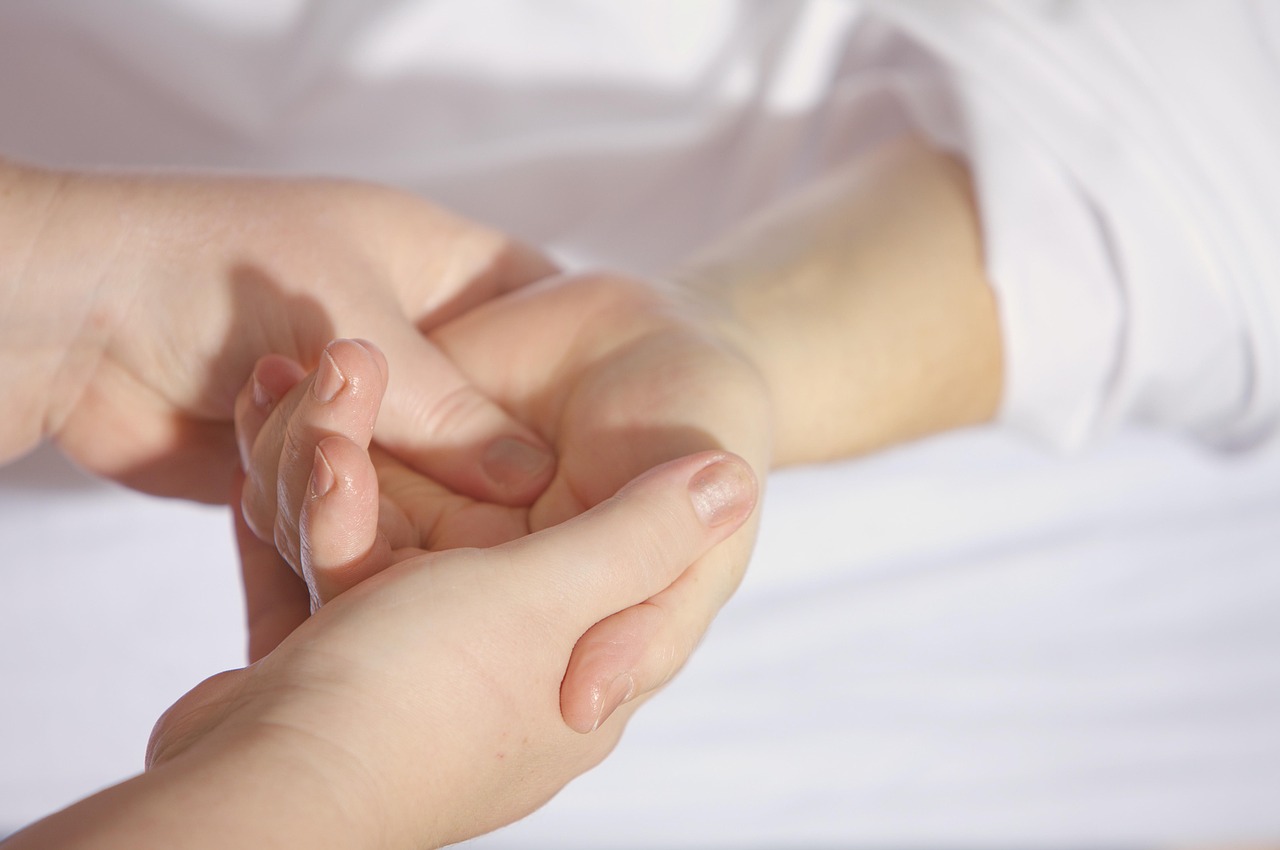

Benefits of Massage Therapy in HIIT Recovery
High-Intensity Interval Training (HIIT) is an effective workout regimen that can significantly improve fitness levels. However, the intensity often leads to fatigue and muscle soreness. To maximize performance and expedite recovery, many athletes are turning to massage therapy as part of their routine. Massage not only aids in relaxation but also enhances circulation, ensuring that vital nutrients reach muscle tissues that have been stressed during workouts. This increased blood flow helps remove waste products that accumulate during intense training sessions, such as lactic acid. Additionally, massage can assist in reducing delayed onset muscle soreness (DOMS), allowing athletes to train more effectively. Studies indicate that massage therapy reduces muscle stiffness, enabling quicker rehabilitation from injuries sustained during vigorous exercise. It is essential to incorporate various types of massage, including deep tissue and sports massage, for tailored recovery. Massages specifically designed for athletes focus on muscle groups commonly engaged in HIIT workouts, enhancing flexibility and reducing tension. Through consistent application of massage therapy, athletes might experience an uplifted mood and diminished stress levels, proving beneficial for both physical and mental health in the context of high-intensity training.
As athletes engage in HIIT, the sheer intensity can lead to muscle and joint stress. Therefore, understanding the different massage techniques can be crucial for recovery. Various methods cater to the specific needs of athletes, and they include Swedish, deep tissue, and trigger point therapy. Swedish massage, using long, flowing strokes, can help promote relaxation, while deep tissue techniques focus on the deeper layers of muscle, effectively breaking down knots and tension. Trigger point therapy targets specific pain points within the muscle, providing relief where it is most needed. Many athletes report feeling rejuvenated after massage therapy sessions, attributing better mobility and flexibility to these treatments. Furthermore, these techniques not only alleviate soreness but can also improve range of motion, which is often compromised in individuals undergoing intense athletic regimens. Incorporating regular massage into a HIIT recovery strategy ensures that muscles recover more optimally, allowing for regular training cycles and enhanced performance. This adaptable approach means that athletes can enjoy longer periods of peak performance without as much downtime due to injuries or fatigue.
Improving Flexibility and Mobility
Massage therapy greatly contributes to improving flexibility and mobility, which are essential for effective HIIT performance. During high-intensity workouts, muscles can become tight, restricting ranges of motion. Regular massage helps to elongate the muscles, promoting increased flexibility, which ultimately reduces the likelihood of injury. Enhanced mobility allows for more effective execution of HIIT exercises, as movements become smoother and more coordinated. For instance, deep tissue massage can target specific muscle groups that often feel tense after intense workouts. By breaking down adhesions and tension, muscles can return to their normal state more quickly. Consequently, athletes often notice an improvement in their overall performance capabilities. Research has shown that enhanced flexibility can lead to better biomechanical alignment during exercises, positively impacting power and efficiency. Additionally, consistent massage therapy can help maintain correct posture, which is vital for preventing overuse injuries, particularly in fast-paced training environments. Athletes who strive for optimal performance should consider massage therapy a valuable ally in their recovery strategy, leveraging its benefits to enhance their HIIT workouts.
Along with physical benefits, psychological aspects are equally essential in HIIT recovery, where massage therapy plays a vital role. Engaging in high-intensity workouts often leads to heightened anxiety and stress, creating mental fatigue. By incorporating massages into the recovery process, athletes not only alleviate physical tension but also experience significant mental relaxation. The soothing, rhythmic strokes of massage can elevate mood and promote a sense of well-being. Hormones such as serotonin and dopamine, which are responsible for happiness and relaxation, are released during massage therapy. This biochemical response contributes to a positive mindset, crucial for athletes wanting to maintain motivation and motivation. Furthermore, consistent massages help cultivate a routine focused on self-care, fostering a stronger connection between physical health and mental wellness. Meditation and deep breathing techniques often accompany massage sessions, offering dual benefits. Combatting mental fatigue allows for sharper focus during workouts, enhancing performance and efficiency in high-pressure training. Thus, addressing the psychological effects of training intensities becomes equally crucial, making massage therapy an integral part of any comprehensive recovery plan.
The Role of Massage in Injury Prevention
Injuries can derail even the most dedicated athlete’s training schedule, making injury prevention critical, and this is where massage therapy shines. Incorporating regular massages can help identify potential problem areas before they evolve into full-blown injuries. For instance, tight muscles are often precursors to strains or sprains. A skilled massage therapist can recognize these issues and address them promptly, reducing the risk of further complications. Through effective manipulation of muscle and connective tissues during a massage, athletes notice enhanced circulation, leading to better muscle recovery and function. Regular treatment not only equips the body to handle the physical stresses of HIIT but also actively supports the system in adapting to training demands. It also encourages better muscle balance, alleviating the strain from commonly overactive muscle groups. Athletes who prioritize massage therapy often experience fewer injuries and can maintain consistent training schedules. In essence, massage therapy serves as both a preventive and corrective strategy in the athletic community, ensuring athletes stay at the top of their game while managing and reducing injury risks effectively.
To maximize the benefits of massage therapy within a HIIT recovery strategy, timing and frequency play significant roles. Optimal timing for massage sessions can vary, depending on workout schedules and individual needs. Some athletes prefer post-workout massages to ease immediate muscle tension, while others find pre-workout treatments help prepare their muscles for the intensity ahead. Frequent sessions, ideally every week or bi-weekly, may be ideal for maintaining muscle health and performance. Moreover, the integration of self-massage techniques can complement professional treatments, allowing for effective management between sessions. Foam rollers and massage balls are practical tools for self-myofascial release, promoting muscle recovery. These methods foster an awareness of muscle tension, enabling athletes to address issues before they escalate. Importantly, the combination of professional massages and self-care practices can optimize HIIT recovery. As athletes work to balance intensity and recovery, tailoring a massage strategy that fits their training needs is crucial. Ultimately, incorporating these practices into regular routines can lead to lasting benefits, promoting consistent fitness progress.
Conclusion: Embracing Massage Therapy
In conclusion, massage therapy offers a multitude of benefits for athletes engaged in High-Intensity Interval Training, establishing itself as an invaluable tool for recovery. By enhancing circulation, promoting flexibility, improving mental well-being, and preventing injuries, massage therapy is essential for optimizing athletic performance. A consistent massage regimen can revolutionize the recovery experience, allowing athletes to train harder, recover faster, and maintain a balanced approach to their fitness journeys. The combination of traditional massage techniques, self-care practices, and individualized treatment plans can empower athletes to reach their goals effectively. Moving forward, prioritizing recovery through massage therapy will profoundly impact performance levels and overall health. Whether opting for post-workout recovery massages or pre-workout maintenance sessions, athletes should explore the most effective techniques that suit their needs. Embracing a holistic recovery strategy will unlock the full potential of HIIT, ushering athletes toward their highest performance peaks.
Ultimately, the integration of massage therapy in HIIT recovery not only enhances physical recovery but also encourages a balanced mindset and emotional resilience. This comprehensive approach ensures that athletes remain motivated and equipped to tackle their high-intensity workouts effectively. As the athletic community continues to uncover the benefits of massage therapy for recovery, more fitness enthusiasts will recognize it as an essential component of their training strategies. With ongoing research supporting its efficacy, athletes are increasingly skeptical of overlooking this aspect of their regimen. In conclusion, implementing massage therapy into your HIIT recovery approach can yield incredible advantages, ultimately paving the way for enduring athletic success and well-being.