
Evaluating Biomechanical Risks in Contact Sports
In the realm of sports medicine, biomechanics plays a crucial role in understanding athletes’ movements, especially in contact sports. Evaluating the biomechanical risks can aid in reducing injuries and enhancing performance. Athletes engaged in sports such as football, rugby, and hockey often face high levels of physical stress and impact, which requires careful assessment and monitoring. Biomechanical analysis allows professionals to study the forces acting on the body during various movements. This evaluation includes analyzing gait, balance, and strength. Moreover, utilizing technologies like motion capture and pressure sensors enhances data accuracy. These systems track the mechanics involved in an athlete’s technique. Understanding the kinematics of specific motions reduces the risks of acute and chronic injuries. Clinicians and trainers can tailor training programs based on this data, focusing on injury prevention strategies. By refining techniques, athletes can not only improve performance but also decrease the likelihood of injuries. Additionally, interdisciplinary collaboration among coaches, physiotherapists, and biomechanists is vital in developing a comprehensive injury prevention strategy tailored to each athlete’s individual needs.
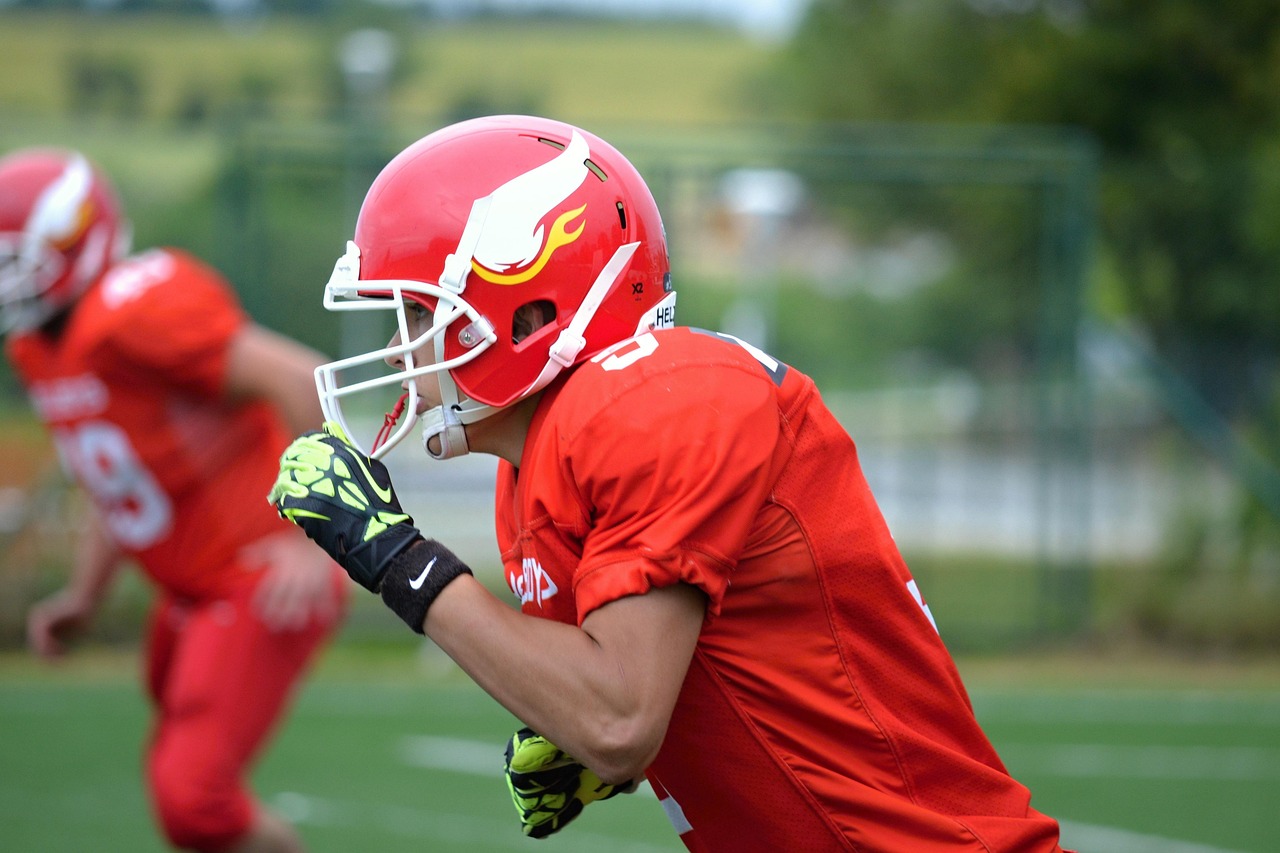
Injury trends in contact sports reveal patterns closely linked to biomechanical factors. For example, the incidence of concussions and lower limb injuries is significantly influenced by body mechanics. By focusing on these patterns, professionals can dissect the mechanics involved in injuries. Previous research highlights that athletes tend to favor one limb, leading to imbalances. This discrepancy increases risk factors for injury during gameplay. Key factors contributing to sports injuries include improper technique, muscle weakness, and lack of flexibility. Initially, an analysis may focus on the player’s movement patterns on-field. Later, specific drills can be implemented to address identified weaknesses. For instance, a football player’s tackling technique could be evaluated to ensure it aligns with optimal mechanics. This approach consolidates the physical and tactical aspects of the game, enhancing both effectiveness and safety. Additionally, practitioners can prioritize strength and conditioning programs informed by biomechanical insights. Contrastively, understanding that each sport has unique movement demands allows for customized training methodologies. Special attention is required for players experiencing repeated injuries, as they may benefit significantly from a tailored biomechanical assessment.
Importance of Strength and Conditioning
A well-structured strength and conditioning regimen is essential in mitigating biomechanical risks in contact sports. By enhancing muscle strength, stability, and mobility, athletes can withstand the physical demands of their activities. Focused exercises develop the necessary muscle groups and maintain joint integrity, directly affecting performance on the field. These regimens commonly include resistance training, flexibility exercises, and endurance workouts designed for optimal athletic performance. Strength training also emphasizes joint awareness, which is vital in contact sports where collisions occur frequently. Developing neuromuscular control minimizes reckless movements, pivotal in injury prevention. Moreover, conditioning helps athletes maintain peak performance levels throughout seasons. Variable training cycles prevent fatigue that can lead to injury during critical competition periods. A good conditioning program adapts to an athlete’s functional needs, ensuring an efficient approach to performance enhancement. Individual assessments help identify areas needing improvement, thus supporting personalized training plans. Combining these strength and conditioning strategies with biomechanical evaluations establishes a holistic approach to minimize injury risk. In conclusion, implementing tailored training protocols improves both athlete safety and performance outcomes significantly.
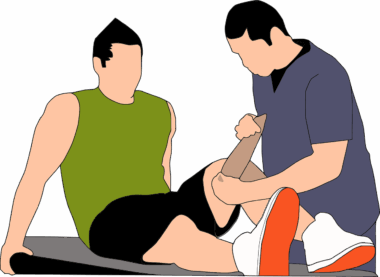
Biomechanical research also plays a substantial role in injury rehabilitation. Post-injury assessments examine the efficacy of rehabilitation practices and the athlete’s readiness to return to play (RTP) status. Understanding the specific biomechanics of an injury helps refine treatment protocols, ensuring that recovering athletes regain necessary strength and functionality before returning. Through continual assessment, physiotherapists can observe movement patterns and adjust programs accordingly. Evidence indicates that athletes returning to play too soon are prone to re-injury; thus, a biomechanical checklist aids in evaluating readiness more accurately. Additionally, educating athletes on their recovery process fosters self-awareness regarding workload and limits during training. Feedback loops during rehabilitation offer valuable insights into functional capabilities. Throughout this process, both subjective self-reports and objective measures provide a comprehensive perspective. Various technologies also assist in monitoring movement quality and improving training adjustment. Incorporating advanced biomechanics into rehabilitation leads to safer RTP decisions. Ultimately, a systematic approach influences long-term injury prevention strategies, allowing athletes to compete at their maximum potential while reducing rates of injury recurrence.
Role of Technology in Biomechanical Analysis
Modern technology significantly enhances biomechanics evaluation processes in sports medicine. Motion capture systems utilize high-speed cameras to analyze biomechanics effectively. By recording movements in real-time, practitioners can assess athletes’ postures, stride lengths, and overall motions. This analysis is crucial since even minor adjustments can lead to significant improvements in performance and reductions in injury risks. Specialized software is often employed to quantify these movements, translating complex data into comprehensible visual output. Furthermore, wearable devices like accelerometers and gyroscopes provide insights into biomechanical loads during training and competition. These technologies allow real-time monitoring, giving instant feedback to athletes and coaches. Additionally, advancements in sensor technology enable detailed mapping of muscular forces occurring during contact. This encapsulation of biomechanical data guides training modifications, ensuring that athletes train effectively and safely. The integration of technology into biomechanics extends to video analysis as well; reviewing game footage helps athletes analyze tactical errors. Overall, the implementation of sophisticated biomechanics tools streamlines injury prevention strategies by bridging data gaps and refining training approaches.
Integrating biomechanics into coaching is critical for enhancing athlete development within contact sports. Coaches equipped with biomechanical knowledge can provide expert guidance on proper technique and movements. This understanding translates into more informed decision-making when strategizing training sessions. By analyzing individual player mechanics, coaches can pinpoint adjustments needed to optimize performance. Furthermore, developing a keen eye for biomechanics enhances coaching efficacy, as coaches notice detrimental patterns early on. Collaboration among coaches, sports scientists, and biomechanists is essential in developing cohesive training strategies. Biomechanics-centered coaching cultivates an environment focused on injury prevention. Coaches can create fitness programs that align with biomechanical principles, offering consistent development opportunities. Emphasis on proper foundational movements reduces injury risks as athletes gradually progress into more complex aspects of their respective sports. Educational programs targeted at coaches focusing on biomechanics prove beneficial for ongoing athlete safety and competitive performance. In conclusion, embedding biomechanics knowledge into coaching methodology fosters a culture of understanding, allowing athletes to become aware of their bodies and performance capabilities. Dedicated training on biomechanics principles establishes a well-rounded approach to athlete management.
Future Directions in Biomechanical Research
The future of biomechanical research in contact sports looks promising, with ongoing advancements leading the way for new insights. As technology progresses, researchers can delve into previously unmeasured parameters within athletic performance. The evolution of artificial intelligence and machine learning techniques enables data analysis, simplifying the interpretation of biomechanical data. Predictive modeling and simulation can foresee potential injury risks based on collected biomechanics metrics. Additionally, interdisciplinary collaborations will amplify research outcomes, combining perspectives from various expertise areas. Future directions will likely place more emphasis on understanding how external factors, such as environmental conditions, influence biomechanics too. Analyzing how these variables impact performance and injuries can refine training protocols even further. The exploration of recovery biomechanics will also continue to grow, investigating how fluctuating loads affect an athlete’s performance. As these developments materialize, establishing global standards for injury prevention in contact sports becomes viable. Ultimately, ongoing research and technological advancements will continue to shape the biomechanics landscape, ensuring continued improvement in athlete safety, rehabilitation, and performance optimization in contact sports.