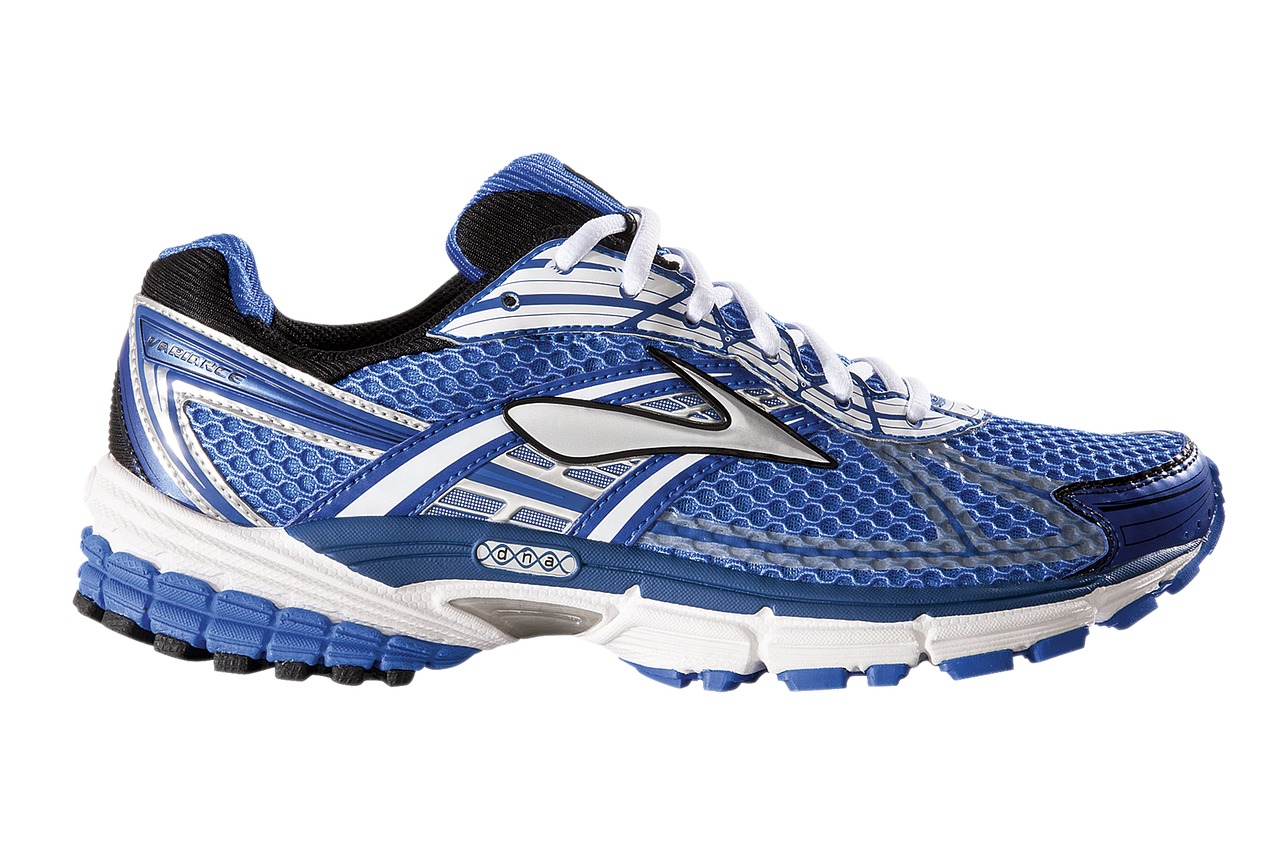

Customizable Running Shoes: Pros and Cons
Running shoes have evolved, with a significant trend toward customization. These shoes allow runners to tailor various aspects of the footwear, providing potential advantages and disadvantages. Customizable running shoes can be designed to suit an individual’s foot shape, stride, and personal preferences. Many companies offer features like adjustable laces, cushioning, and arch support. This level of customization aims to enhance performance and reduce injury risk. Additionally, owning a unique pair can create a more personal connection to the sport. One of the main benefits is that it can optimize the running experience, catering to specific needs based on running habits. The shoes could improve comfort, stability, and overall performance by fitting the runner better. To achieve the best fit and feel, runners should consider consulting with experts or using in-store technology that assesses foot mechanics. Some brands now utilize 3D scanning to create shoes that align with the runner’s unique physical characteristics. Over time, these shoes can significantly impact a runner’s efficiency and enjoyment during their workouts, although it’s essential to weigh the pros and cons before making such an investment.
Another positive aspect of customizable running shoes is the potential for improved injury prevention. Many avid runners suffer from injuries due to improper shoe fitting, and custom shoes can significantly reduce this risk. Features such as appropriate arch support and personalized cushioning can address specific foot issues like plantar fasciitis or Achilles tendonitis. Additionally, the ability to select the sole’s flexibility and stability can further mitigate the impact of repetitive stress during runs. However, it’s important to consider the learning curve associated with these shoes. Runners may need time to adjust to the new design, and initial discomfort can occur as they break them in. Moreover, the cost factor is another downside; customizable options often come at a premium compared to standard running shoes. This price differentiation could deter some budget-conscious runners from exploring personalized footwear solutions. For those willing to invest, it’s crucial to conduct thorough research on different brands and their offerings. Reviews and recommendations can be valuable resources to navigate the numerous customizable options in the market, ensuring an informed purchase decision.
Environmental Considerations
Customizable running shoes are not just about individual comfort and performance; they also bring environmental considerations into play. Many companies that offer personalized footwear are shifting towards sustainable practices in their production processes. This shift means that consumers can choose options that align with their values toward environmental responsibility. For instance, brands might use recycled materials or eco-friendly manufacturing techniques to produce custom shoes. Furthermore, customization can also lead to reduced waste. By allowing runners to design shoes tailored to their specific needs, less excess inventory goes to landfills. Properly fitted shoes are less likely to be discarded prematurely due to discomfort or unsuitable features. Another important point is the longevity of customized footwear. Often, these shoes are built with durability in mind to accommodate extensive use, which can further minimize environmental impact. Additionally, some brands are participating in take-back programs, encouraging consumers to return worn-out shoes for recycling. This holistic approach to customization not only enhances the running experience but also contributes to a more sustainable future for the footwear industry as a whole, providing a compelling incentive for eco-conscious consumers.
Moreover, advances in technology are making customizable running shoes more accessible and appealing to a wider audience. Customization no longer means an expensive or time-consuming endeavor. Many brands offer online platforms where runners can easily design their shoes from home, choosing colors, materials, and features to suit their preferences. Virtual fitting tools are becoming increasingly sophisticated, allowing users to visualize their choices in 3D before committing to a purchase. This ease of access invites more runners to experiment with personalized options. Additionally, social media has played a significant role in promoting customizable shoes. Customers often share their unique designs online, inspiring others to consider personalized footwear. The building community around customization encourages innovation among manufacturers as they strive to meet evolving consumer demands. The narrative surrounding running shoes is rapidly changing towards personalization, where individuality and performance intersect. In turn, this transformation sets the stage for greater diversity in headwear, making the running experience even more unique. By combining comfort, technology, and creativity, customizable shoes are likely to cement their place in the market as a go-to option for both casual joggers and competitive athletes alike.
Potential Drawbacks
However, it’s essential to consider the potential drawbacks of customizable running shoes. One significant concern is the issue of fitting accuracy. Despite advancements in technology, achieving the perfect fit can still be challenging. Miscommunication between the runner and the manufacturer may result in shoes that don’t meet initial expectations. Moreover, if a custom shoe is not properly fitted, it can lead to more issues instead of providing benefits, including discomfort and injury. Runners should be cautious and invest time in understanding their specific foot mechanics to avoid negative outcomes. Another notable drawback is that trends in the running community are ever-changing. What seems like the perfect shoe today may not be perceived the same a few months later. As running shoes evolve with cutting-edge technology and designs, there is a risk of customized shoes quickly becoming outdated. Therefore, runners who invest in custom options should consider their long-term preferences carefully. The customization process could also take longer than anticipated, leading to delivery delays, especially with popular styles in high demand. This waiting period may be frustrating for those eager to hit the pavement with their new shoes.
Moreover, while many running enthusiasts enjoy the idea of customizing their footwear, the element of personal preference can lead to overwhelming choices. With an array of options available, consumers might feel confused or uncertain about what features are genuinely beneficial. It’s crucial for runners to educate themselves on available technologies to avoid making uninformed decisions. This education can involve reading reviews, consulting experts, or visiting local specialty stores where they can test out various options. In the worst-case scenario, over-customization might lead to shoes that are not suited to a runner’s particular needs, leading to further disappointment. Managing expectations is vital before embarking on this customization journey; runners may find that the piecing together of their dream shoe might not meet their specific performance outcomes. For those new to running or customization, starting with more basic options before progressing to fully customizable footwear might be wise. This gradual approach allows for developing an understanding of personal needs and preferences without the pressure to make a perfect decision immediately.
The Future of Customizable Running Shoes
As we look toward the future of customizable running shoes, it’s clear that this trend is set to gain momentum. As the running community continues to embrace new technologies and innovative designs, personalization will play a pivotal role in how consumers approach footwear. With advancements in artificial intelligence and biomechanics, future models could deliver even more tailored experiences based on individual athletic performance and health metrics. This data-driven customization could offer insights into running habits, injury history, and recommended shoe features, thereby enhancing the shopping experience. Additionally, consumer expectations regarding sustainability and ethical production will likely shape the customizable shoe market more than ever. Brands that prioritize eco-friendly practices will appeal to a growing segment of socially conscious consumers. Furthermore, the health and wellness industry is trending towards personalized products, making the fusion of technology and fitness an inevitable progression. Therefore, staying at the forefront of these developments will be crucial for brands looking to maintain a competitive edge. Overall, the future of customizable running shoes seems bright, promising an even more significant evolution of how runners experience their sport and what they wear on their feet.
In conclusion, the decision to invest in customizable running shoes comes with both exciting possibilities and potential drawbacks. Runners should carefully evaluate their needs and preferences before embarking on this journey. While the benefits, including improved fit, personalization, and injury prevention, are enticing, it’s essential to recognize the challenges associated with fitting accuracy and overwhelming options. Adequate research and understanding of personal biomechanics are crucial in making informed choices. Moreover, consumers should consider the evolving trends in running technology and future sustainability impacts. As brands continue to innovate, building a solid knowledge base about customization options can empower runners to make the best selections for themselves. Balancing personal aspirations, comfort, and performance is vital in choosing the ideal footwear. Ultimately, this exploration of customizable shoes can lead to a more enjoyable and efficient running journey, promoting a deeper connection to the sport and enhancing personal performance goals. With proper diligence and care, runners can discover their perfect pair, making each stride on their journey a testament to their unique running experience.