
How to Maintain Energy on a Plant-Based Diet During Competition
Maintaining energy on a plant-based diet during competition requires careful planning and awareness of nutritional needs. Athletes must prioritize macronutrients like carbohydrates, proteins, and fats to support sustained energy levels. Consuming carbohydrates efficiently fuels intense training and competition, while protein aids in muscle recovery and growth. Fats provide a longer-lasting energy source essential for enduring endurance events. Diverse sources of plant-based options are available to balance these macronutrients, ensuring optimal performance. Some effective carbohydrate-rich foods include fruits, vegetables, grains, and legumes. Incorporating whole grains like quinoa, brown rice, and oats into meals can promote steady energy release. Moreover, starchy vegetables, such as sweet potatoes, are great choices for pre-competition meals. Protein sources are also crucial on a plant-based diet. Foods like lentils, beans, tofu, tempeh, and nuts serve as excellent protein sources. Planning meal schedules to include protein snacks like peanut butter on toast aids recovery during competitions. Overall, finding the right balance of these nutrients is vital for plant-based athletes aiming for peak performance during their competitions.
As competition approaches, hydration plays a pivotal role in maintaining energy levels for athletes following a plant-based diet. Proper hydration is essential for optimal performance, as it affects metabolism, energy utilization, and overall well-being. Athletes should begin by ensuring they consume adequate water in the days leading up to the event. In addition, specific drinks containing electrolytes can enhance hydration by replenishing minerals lost during exercise. Natural electrolyte sources, like coconut water or homemade electrolyte drinks, can effectively maintain hydration levels during competitions. It’s essential to consume fluids before, during, and after physical activity for optimal performance. Timing matters, as athletes should aim to hydrate regularly rather than waiting until they feel thirsty. Another strategy involves consuming hydrating foods rich in water content, such as cucumbers, watermelon, and oranges. These choices not only promote proper hydration but also contribute necessary vitamins and minerals. Strategies like carrying a reusable water bottle help maintain hydration routines. By combining proper hydration techniques with the right nutritional choices from a plant-based diet, athletes can ensure they maintain energy levels during intense competitions.
Timing Meals for Optimal Performance
Meal timing is crucial for athletes on a plant-based diet to maintain energy and optimal performance. Consuming meals and snacks at appropriate times can enhance energy availability during competitions. Pre-competition meals should focus on easily digestible carbohydrates, minimizing the risk of gastrointestinal discomfort. Ideally, athletes should aim to eat a substantial meal 3-4 hours before an event, comprising complex carbohydrates, moderate protein, and healthy fats. Options like oatmeal with fruit and almond milk or whole-grain pasta with a vegetable-based sauce are great choices. Close to the competition, athletes can have a light snack such as a banana or energy bar to boost energy levels. During events, athletes should have a strategy for consuming quick snacks to sustain energy. Foods like trail mix, energy gels, or dried fruit can provide rapid and effective fuel. Post-event, consuming a meal rich in protein and carbohydrates is essential for recovery. Combining plant-based protein sources like chickpeas with quinoa or brown rice helps replenish spent glycogen stores while promoting recovery and muscle repair following intense activity.
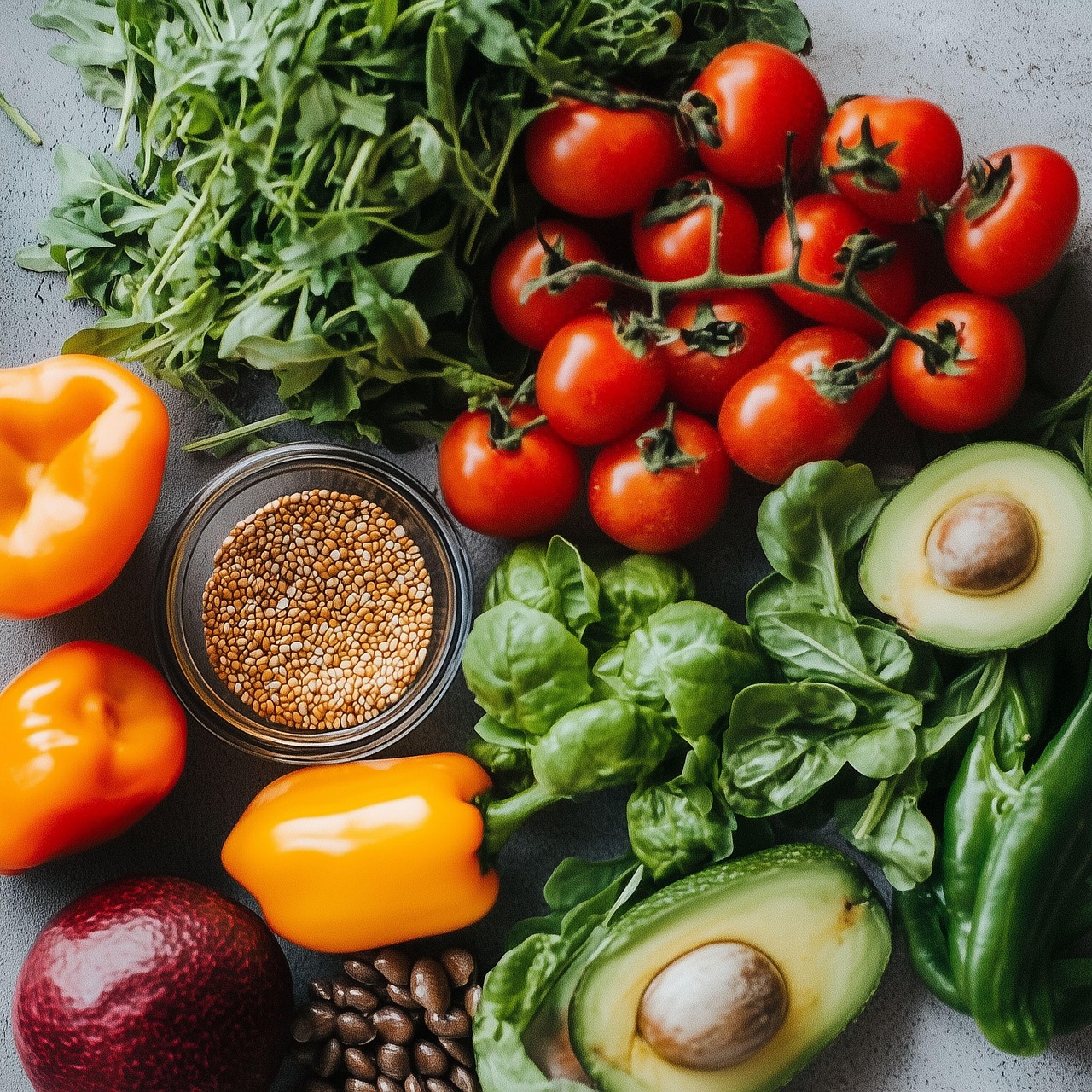
Choosing high-quality ingredients and nutritious foods helps athletes sustain energy on a plant-based diet. Emphasizing whole foods instead of processed ones leads to better nutritional outcomes. For instance, selecting fruits and vegetables provides essential vitamins, minerals, and antioxidants crucial for recovery and health. Superfoods like chia seeds, goji berries, and spirulina can boost nutrient intake and offer additional benefits for athletes. Moreover, incorporating various colors in meals ensures a diverse range of nutrients. Therefore, green leafy vegetables such as spinach and kale blend well with regular meals. Utilizing legumes and pulses enhances protein intake, essential for maintaining muscle mass and repairing tissues. Snacks should also focus on whole food sources. By learning to read labels carefully, athletes can identify meals that are free from harmful additives and empty calories. Additionally, meal prepping helps athletes remain consistent with their plant-based diets by preventing last-minute poor food choices. A well-planned meal structure involving colorful vegetables, wholesome grains, and protein-rich legumes enables athletes to feel energized and ready to take on competition challenges confidently.
Incorporating Supplements Wisely
While a well-planned plant-based diet supports athletic performance, sometimes supplements bridge nutritional gaps. Common supplements that athletes might consider include vitamin B12, iron, omega-3 fatty acids, and vitamin D, essential for those on plant-based diets. These nutrients play vital roles in energy production, immune function, and overall health. Regularly including fortified foods like plant-based milk and breakfast cereals helps ensure adequate intake of B12 and iron. Furthermore, consulting with a nutritionist may guide athletes to make informed supplement choices while addressing specific needs. Omega-3 fatty acids can be obtained from algal oil supplements or flaxseeds, providing anti-inflammatory benefits crucial for recovery. Vitamin D, best absorbed through sunlight exposure, might need a supplement during winter months. Supplementation should be considered an addition to a balanced diet rather than a replacement for good nutrition. Therefore, athletes must research and choose high-quality products from reputable brands to maximize their effectiveness. By using supplements wisely, athletes can empower their performance on a plant-based diet while maintaining overall health throughout competitions.
Recovery is an often-overlooked aspect of energy management for athletes on plant-based diets. Proper recovery strategies help replenish energy levels, reduce fatigue, and enhance future performance. Plant-based athletes can utilize various strategies to promote effective recovery. Consuming a post-competition meal rich in protein and carbohydrates restores glycogen stores and repairs muscle tissues. Options like quinoa and black bean bowls or smoothies made with spinach, banana, and protein powder are beneficial choices. In addition to nutrition, sleep plays a critical role in recovery. Prioritizing adequate sleep can improve overall performance, reduce fatigue, and boost cognitive function crucial during high-stakes competitions. Practices like yoga and meditation can also facilitate recovery by addressing both physical and mental fatigue. Additionally, incorporating active recovery days focused on light aerobic activity supports blood flow and prevents stiffness. Furthermore, hydration remains a priority afterwards, complementing the nutrition and recovery process. By attending to both nutrition and lifestyle practices, plant-based athletes can optimize recovery and ensure they are ready for their next competition, maintaining high energy levels throughout the season.
Conclusion: Fueling Success
In conclusion, maintaining energy on a plant-based diet during competition is achievable through a thoughtful approach to nutrition, meal timing, hydration, and recovery. Understanding the significance of macronutrients and focusing on whole food sources ensures athletes receive essential energy and nutrients required for peak performance. Pre-competition planning, combined with effective hydration strategies, guarantees athletes don’t fall short during events. Moreover, being aware of proper meal timing helps optimize energy utilization, essential for maintaining performance throughout competitions. Incorporating supplements wisely further assists in closing nutritional gaps experienced on a plant-based diet. With all these strategies in mind, athletes can boost their performance while adhering to their dietary preferences. Ultimately, the combination of proper nutrition, strategic planning, and personal adaptability allows athletes to thrive on a plant-based diet. Aspiring athletes can use this information to fuel their success while navigating their nutritional journey during competition. By maintaining a focus on these key elements, athletes can consistently perform at their best and feel empowered by their food choices.
As athletes embrace plant-based diets, they should remain open to adjusting and learning about their personal dietary preferences. Monitoring how specific foods affect performance and energy levels enhances self-awareness. Experimenting with different sources of carbohydrates, proteins, and fats can lead to discovering optimal combinations for sustained energy. Furthermore, benchmarking energy levels before, during, and after competition can provide insights into nutritional efficacy. Ultimately, success requires commitment to understanding the balance between diet and performance. Regular check-ins with nutritional goals and expectations help guide athletes on their journey to enhanced performance and well-being, enriching both competitive experiences and overall growth. With the right approaches and dedication, athletes can truly shine on plant-based diets.