
Integrating Posture Wearables into Your Daily Fitness Routine
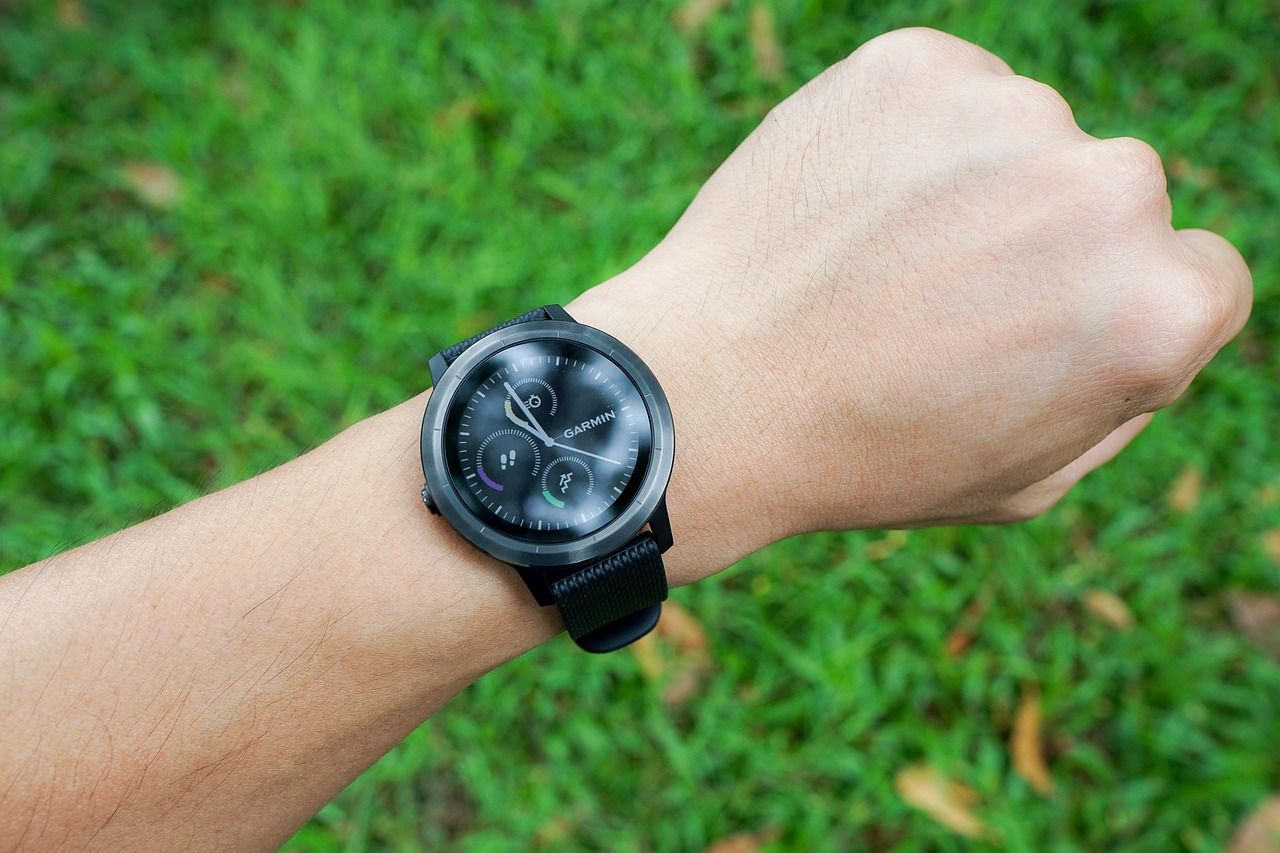
As the world of fitness technology evolves, more individuals are turning to wearables designed specifically to support posture correction. These devices are particularly beneficial for those who spend long hours seated or engaged in activities that lead to poor body mechanics. First and foremost, understanding how these wearables work can significantly enhance their effectiveness. Most posture correction wearables operate through sensors that detect your alignment in real-time and provide feedback via vibrations or notifications when you slouch. This real-time data fosters greater awareness of your posture, leading to healthier habits over time. Integration into daily routines can be as simple as wearing them during work hours or while exercising. Additionally, many of these devices feature mobile applications that track and analyze your posture history, enabling you to set goals and monitor improvements. Choosing a device that suits your lifestyle and comfort preference is essential. Some models are stylish and discreet, easily blending into any attire. Others are sport-focused and designed for rigorous activity. Investing in a quality posture wearable can provide the motivation and guidance needed to maintain proper alignment.
Choosing the Right Posture Correcting Wearable
When it comes to selecting the ideal posture-correcting wearable device, several factors must be taken into consideration for optimal integration into your fitness routine. Comfort should be your first priority; a wearable that pins or uncomfortably restricts movement is less likely to be used consistently. Look for options that boast a lightweight, ergonomic design that permits freedom of motion. Next, consider the features offered by each device. Some wearables include innovative features, such as customizable reminders, stretch recommendations, and integration with fitness trackers for comprehensive health monitoring. Battery life is another crucial aspect; wearables should support extended use without frequent recharging. Moreover, ensure your chosen wearable is compatible with your smartphone or fitness apps, allowing for easy access to tracking data. Reading reviews and comparing individual features can help you make an informed decision that aligns with your physical activities. Additionally, consider your budget; while some wearables are more expensive, others provide exceptional value at reasonable prices. Remember that an effective posture wearable will actively encourage you to maintain a healthier, more comfortable posture throughout your daily activities.
Once you have selected a posture correction wearable that fits your needs, the next step is integrating it seamlessly into your daily fitness routine. Start by establishing a consistent time for wearing the device. For individuals with sedentary jobs, this could mean donning the wearable during working hours, where reminders can help correct slouching while sitting. In contrast, if you are more active, aim to wear the device during your exercise sessions for real-time feedback during workouts. Pairing wearable technology with proper exercise routines can enhance strength-building for postural muscles. The combination of wearables with structured exercises targeting back, neck, and core muscles will lead to a stronger overall structure. As you progress, try exploring various activities, such as yoga or Pilates, which focus on posture and alignment. Many users find that they automatically adjust their posture when engaging in physical activities, especially when utilizing wearables. Additionally, surrounding yourself with supportive community members can maintain motivation and accountability as you incorporate these devices into your routine. Stay committed – it often takes time to transform postural habits into healthy choices that you will maintain.
Enhancing Awareness Through Posture Correction
One of the most powerful benefits of using wearable tech for posture correction lies in heightened body awareness. Many people are unaware of their body alignment throughout the day, especially when engrossed in work or leisure. Wearables act as constant reminders to check in with your body and correct your posture in real-time. Over time, users may notice a shift in their habitual positions as wearables provide consistent feedback. This newfound awareness can also facilitate conscious adjustments during activities such as sitting, standing, or exercising. The outcome is an improved overall posture, resulting in less discomfort during daily tasks. By consistently using your posture wearable, the brain begins to associate good postural habits with positive sensations, reinforcing changes. Additionally, many wearables include reminders for stretching or movement breaks throughout the day, which can combat the adverse effects of prolonged sitting. Engaging in these movements will not only improve your posture but also promote circulation and relieve tension. Consider integrating short breaks into your regular routine, utilizing notifications from your device to encourage movement and transformative changes in your posture.
Incorporating posture correction wearables into sports activities can provide additional benefits beyond simple reminders for alignment. Athletes have begun to recognize the advantages of using wearables during training routines, focusing on core stabilization and strength. Through the use of these devices, athletes can maintain optimal alignment not only during practice but also during events. This crucial approach helps prevent injuries associated with improper form and enables athletes to push their performance limits safely. For example, runners utilizing a wearable can receive instant feedback on their posture while running, enabling immediate adjustments that enhance performance. Furthermore, engaging with posture wearables during high-intensity workouts, such as CrossFit or HIIT, can lead to notable improvements in overall form and technique. Many competitive sports require consistent posture maintenance, making wearables an invaluable tool. As athletes start embracing this technology, it opens doors for developing better training plans tailored to individual needs. By combining physiological insights gathered from wearables with personal goals, practitioners can develop strategies to advance their training while prioritizing overall well-being. Your dedication to this integration will yield positive results and enhance your fitness experience at every level.
Tracking Progress with Posture Wearables
Monitoring your progress is a vital aspect of any fitness journey, and posture correction wearables provide precise data to evaluate your improvement over time. With features like daily reports and customizable goals, these devices enable users to gain insights into their posture habits comprehensively. Many applications connected to wearables allow users to visualize their progress through engaging graphs and statistics, creating motivation. Users can analyze key metrics such as the duration of proper posture aligned and the frequency of corrections required. Moreover, achieving small milestones frequently strengthens motivation to remain disciplined in healthy habits. Setting specific goals and consistently tracking them is instrumental in noticing progress. Whether you aim to maintain proper posture for hours at a time or reduce the need for corrections, progress becomes evident through continual use of the wearable. In addition to the numerical data, many wearables also offer community features for engaging with other users striving for similar goals. Such interaction can enhance accountability and foster support, helping you stay on track as you work toward developing healthier postural habits. Never underestimate the positive feedback loop nurturing your growth through structured goal-setting.
In conclusion, the integration of posture correction wearables into daily fitness routines not only promotes better posture but also enhances your overall health and physical performance. As the modern lifestyle continues to lead to sedentary behaviors, these devices offer users a method to combat negative effects by raising awareness and encouraging real-time corrections. Emphasizing comfort and accessibility, many wearables seamlessly blend into every lifestyle, ultimately contributing to healthier habits. Enhancing sports performance, providing insights into progress tracking, and holding users accountable create a comprehensive approach to long-term posture improvement. Exploring options available on the market and determining the best fit for your requirements can lead to significant transformations. If you’re enthusiastic about improving your posture, integrating one of these wearables into your routine can prove to be a game changer. Remember, it’s essential to commit to this journey for the best results; consistent feedback and dedication lead to success. Consider sharing your experiences with others and foster a community embracing alignment and overall well-being together. Take this step towards a healthier future with technology and commitment to change.