
How CBT Facilitates a Stronger Mind-Body Link in Sports
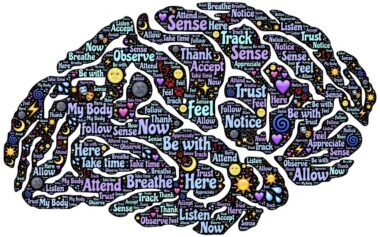
The mind-body connection is essential in sports, influencing performance, recovery, and overall well-being. Many athletes discover that their mental state significantly impacts their physical capabilities. Understanding Cognitive Behavioral Therapy (CBT) can enhance this connection by altering negative thought patterns and fostering positive behaviors. CBT focuses on transforming detrimental beliefs into empowering ones, leading individuals to adopt healthier habits. Athletes face immense pressure, which may trigger anxiety and stress, adversely affecting their performance. Through CBT, they learn to manage these feelings effectively. Acceptance of challenges becomes crucial, allowing athletes to focus on their goals rather than their fears. This therapeutic approach encourages mindfulness practices, enhancing awareness of the present moment. As athletes become more present, they develop improved body awareness, aligning their physical and emotional states. Techniques such as visualization and self-talk enhance focus and maintain composure under stress. Incorporating CBT principles creates a framework for athletes to cultivate resilience while boosting self-confidence. Ultimately, the synergy between CBT and the mind-body connection fosters a holistic approach to sports training, optimizing performance and creating a pathway for long-term success.
In everyday life, individuals often underappreciate how thoughts affect physical responses. Athletes must harness this connection to unlock their potential. With diligent practice, individuals can learn to recognize and restructure their thought patterns, which is a fundamental principle of CBT. Positive affirmations are a tool athletes use to reinforce mental strength. Repeating affirmations can shift focus from doubts to capabilities, enabling peak performance. Furthermore, CBT helps athletes confront challenges by encouraging them to question irrational fears that may impede success. Breathing exercises, a component of CBT, allow for calming responses during competition. Deep, regulated breaths stabilize heart rates and foster clarity when focused on performance goals. Additionally, emotional regulation techniques improve decision-making under pressure. Athletes can train themselves to respond to stressors more effectively without succumbing to anxiety. The ability to maintain calm amidst chaos is invaluable on the playing field. Furthermore, the interplay of mind and body lays the groundwork for injury prevention. When athletes are in tune with their bodies, they can recognize signs of stress or fatigue, allowing for proactive choices that minimize risks. Such skills acquired through CBT significantly enhance overall athletic performance.
Empirical Evidence Supporting CBT in Sports
Research has shown that Cognitive Behavioral Therapy can significantly impact athletes’ performance and mental health. Numerous studies illustrate positive correlations between CBT techniques and enhanced sports performance. Participants who regularly engage in CBT report lower anxiety levels, improved self-esteem, and increased resilience. These factors contribute to enhanced focus and optimal performance under pressure. Furthermore, a meta-analysis of various studies on sports psychology revealed that cognitive interventions lead to measurable improvements in athletes’ on-field performance across multiple sports. The incorporation of relaxation strategies holds promise, as athletes exhibited reduced tension before competition. Moreover, CBT promotes engagement in constructive self-talk, which bolsters motivation during challenging training sessions. Visual imagery techniques, another major component of CBT, have also been linked to improved execution skills and mental rehearsal. This tendency to visualize success plays a pivotal role in reinforcing athletes’ belief in their capabilities. The research underscores the importance of integrating psychological strategies alongside physical training routines. Coaches and trainers are encouraged to incorporate CBT principles into their programs and promote an increased understanding of the mind-body connection.
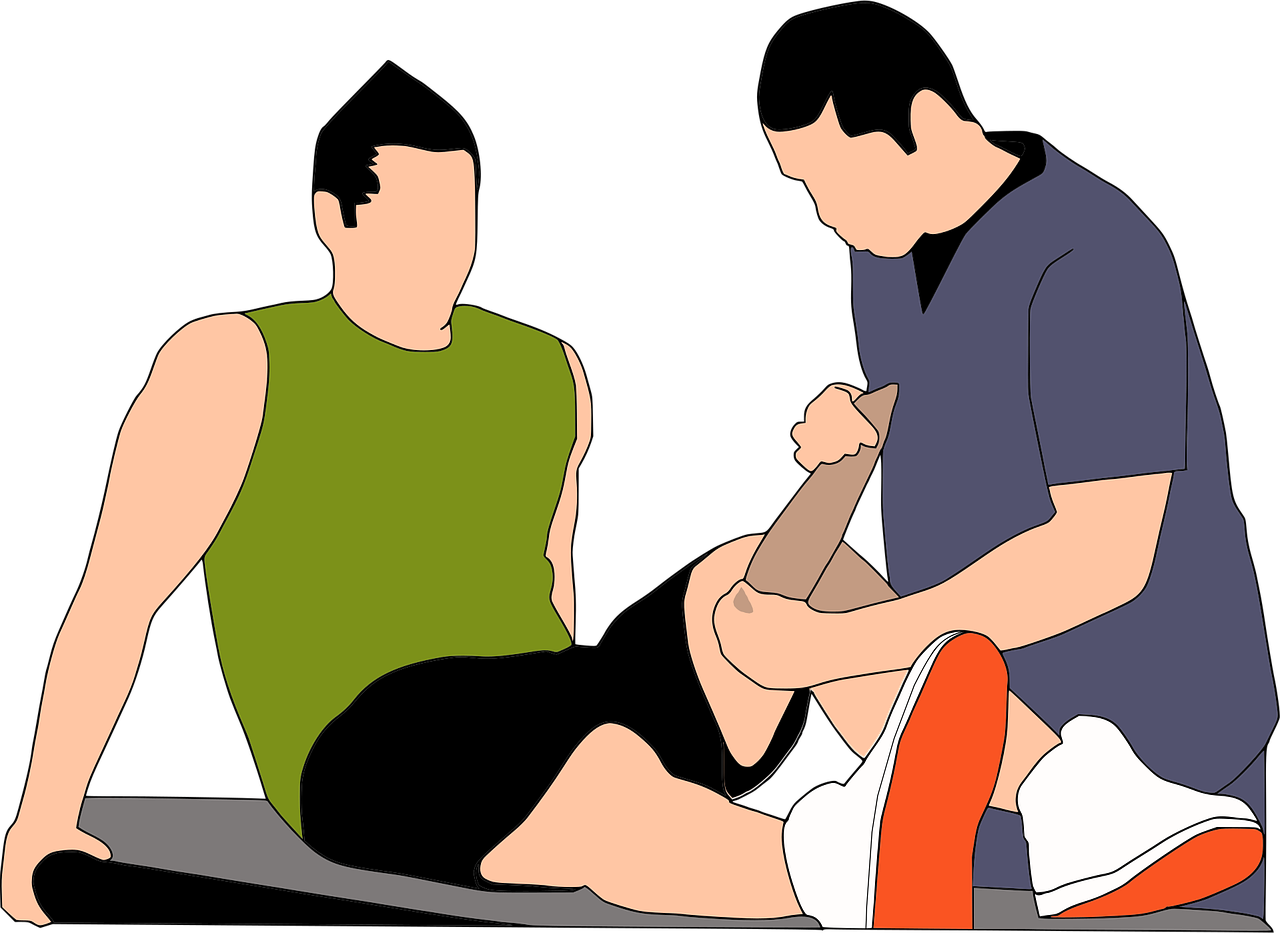
Furthermore, CBT’s ability to enhance emotional resilience can provide athletes with tools to cope with setbacks. Injuries are an unfortunate yet common aspect of sports. The mental recovery from an injury often proves challenging for many athletes. Utilizing CBT strategies can help athletes reframe their outlook on injury, viewing it as an opportunity for growth rather than a setback. This shift in perception prevents negative spirals of thought and fosters a proactive mindset toward rehabilitation. Consequently, athletes can approach their recovery processes with clarity and determination. By setting realistic, attainable goals during rehabilitation, they stay motivated, maintaining their engagement in their sport. Additionally, CBT educates individuals about cognitive distortions, allowing them to challenge harmful thoughts and assumptions. Given that sports often involve intense scrutiny from media and fans, addressing self-critical thoughts becomes essential for maintaining mental wellness. Professionals endorse continuous self-discovery through CBT, helping athletes build mental fortitude that translates into enhanced performance. Athletes develop compassion for themselves through this process while learning to sustain motivation throughout difficult times, contributing to their overall development as athletes and individuals.
Mindfulness Techniques in CBT
Mindfulness and CBT collaboratively enhance the mind-body connection using various techniques. These practices focus on being present and non-judgmental, encouraging athletes to acknowledge their thoughts and feelings without despair or avoidance. Mindfulness exercises cultivate awareness, promoting better recognition of bodily sensations, enhancing performance precision. For instance, athletes practicing mindfulness during training often report increased control over their movements and greater awareness of physical limits. This heightened awareness enables better response to fatigue signals, facilitating the prevention of injuries. Furthermore, incorporating mindfulness into daily routines helps athletes manage pre-competition nerves, thus improving overall composure. Meditation, a form of mindfulness, has been widely researched, displaying significant benefits, including reduced anxiety and enhanced concentration. Research highlights how regular meditation practice can lead to physiological benefits, such as a potentially lower resting heart rate and blood pressure. These outcomes create a favorable environment for optimal sports performance. Ultimately, combining CBT with mindfulness creates a comprehensive approach to bolster mental health. Through consistent practice, athletes attain mental clarity and composure, effectively enriching their mind-body connection while maximizing sports performance capabilities.
Moreover, the dynamic relationship between CBT and athletic performance emphasizes continuous learning. Training the mind alongside the body fosters growth in resilience and adaptability. Athletes often face unpredictable situations, requiring quick decision-making and adaptability. CBT training helps develop a mindset poised to tackle challenges. Utilization of reflective practices enables athletes to analyze experiences comprehensively and derive valuable lessons. Such practices encourage a culture of self-evaluation, enabling athletes to optimize their performance continually. The integration of goal-setting within CBT promotes motivation and focus on end objectives. Athletes who set specific, measurable, achievable, relevant, time-bound (SMART) goals find enhanced clarity in performance expectations. Consequently, they remain dedicated and self-motivated throughout their training. Furthermore, feedback cycles from trainers and coaches provide athletes with necessary insights into their progress. Understanding that growth comes from feedback fosters a positive approach to furthering performance. Thus, CBT becomes a reiterative process, reinforcing athletes’ abilities to confront challenges while learning from setbacks. Ultimately, these processes support a robust framework that enables athletes to reach their goals while cultivating a resilient mind-body connection throughout their sports journeys.
Conclusion: The Path Forward
As the connection between cognitive and physical processes solidifies, athletes increasingly recognize the role of CBT. By integrating cognitive behavioral strategies into training regimens, they can unlock new levels of personal performance. Athletes’ journeys become enriched through self-awareness and deliberate practice, leading to more profound connections between mind and body. Integrating CBT equips individuals with tools to face life’s adversities confidently while refining their athletic skills. Coaches must prioritize psychophysical development, embracing continually evolving strategies for integrating mental training within their programs. The road to harnessing the mind-body connection will transform sports, fostering resilient athletes who embody dedication and growth. This holistic approach to sports psychology not only enhances athletic performance but also promotes mental well-being. As CBT becomes more mainstream in athletic training, the potential for groundbreaking advancements in sports performance becomes evident. The focus shifts from mere physical training to understanding the intricate web between mind and body, transforming the athletic landscape. As athletes embark on this journey, the influence of CBT might revolutionize how they perceive performance and growth. In conclusion, the unwavering intersection of CBT and sports emphasizes the importance of nurturing the mind-body link.
This ongoing exploration of the mind-body connection underscores its relevance in various aspects of training, competition, and recovery processes. By helping athletes redefine their relationship with stress, anxiety, and performance expectations, CBT emerges as a powerful ally on the journey towards enhanced performance. Athletes are urged to embrace these strategies while working closely with mental health professionals, trainers, and sports psychologists. This collaboration creates an atmosphere that fosters balanced mental health and skilled athletic performance. The future of sports lies in understanding that the mind and body work in tandem to create the desired outcomes in athletic performance. Creating an environment where athletes can thrive mentally ensures sustained success both on and off the field. More individuals will achieve the maximum benefits from their training as this consciousness spreads throughout sports communities. Consequently, incorporating CBT into training regimens promotes a progressive paradigm shift in how athletes approach their craft. Their journey becomes not only about competing but also about attaining mental clarity and emotional stability. The realization that optimized performance stems from a solid mind-body connection fosters an evolving landscape in the realm of sports. Ultimately, the intertwining of CBT and athletic performance serves as a cornerstone for the industry’s transformation.