
Pilates Challenges Designed for Senior Bodies
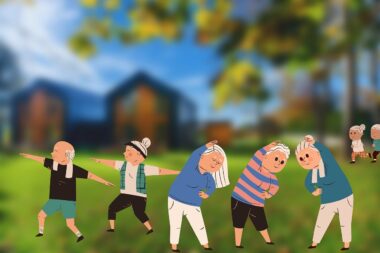
Pilates is gaining popularity among seniors as it promotes strength, flexibility, and balance, all essential for maintaining a healthy lifestyle. The gentle nature of Pilates exercises is particularly beneficial for senior bodies, addressing common issues such as joint pain and reduced mobility. Many senior-focused Pilates classes prioritize modifications, ensuring both safety and encouragement. Seniors can engage in low-impact workouts, enhancing endurance without unnecessary strain. Participating in this fitness form not only strengthens muscles but also develops core stability. The increased focus on alignment, posture, and controlled movements can lead to better overall body awareness. Regular Pilates practice offers a wide range of potential benefits, including relieving stress and improving mental clarity. Seniors may find it easier to perform daily activities and enjoy a more active lifestyle. Establishing a routine centered around Pilates challenges can also foster a stronger sense of community among participants, creating pleasant social opportunities. Embracing these challenges can boost confidence and motivation. Resources like virtual classes and instructional videos make it easy for seniors to join. Consider exploring local studios or community centers for specialized senior classes tailored explicitly for older adults to maximize their benefits.
One highly effective way for seniors to engage with Pilates challenges is through modified core strengthening exercises. These core-focused workouts enhance stability while promoting better posture. The traditional Pilates repertoire includes exercises like the Hundred, Roll-Up, and leg stretches, which can all be adapted for seniors. These modifications may include using props like resistance bands, small balls, or even cushioned mats to make the practice more comfortable. Incorporating breathing techniques enhances relaxation while performing movements and allows participants to stabilize and connect with their core more effectively. Additionally, committing to a consistent Pilates schedule can help seniors recognize personal progress and improvement over time. Moreover, developing core strength significantly contributes to overall functional fitness. This capacity translates into daily tasks like lifting groceries or walking stairs. Encouragement from a supportive class environment can motivate participants further. It helps to build camaraderie, making challenges enjoyable rather than intimidating. Seniors can connect with peers who share similar fitness preferences. Therefore, consider starting with short classes that gradually progress to more challenging levels as confidence increases. This approach minimizes the risk of injury while maximizing enjoyment during the journey toward improved health and vitality.
Enhancing Flexibility Through Pilates
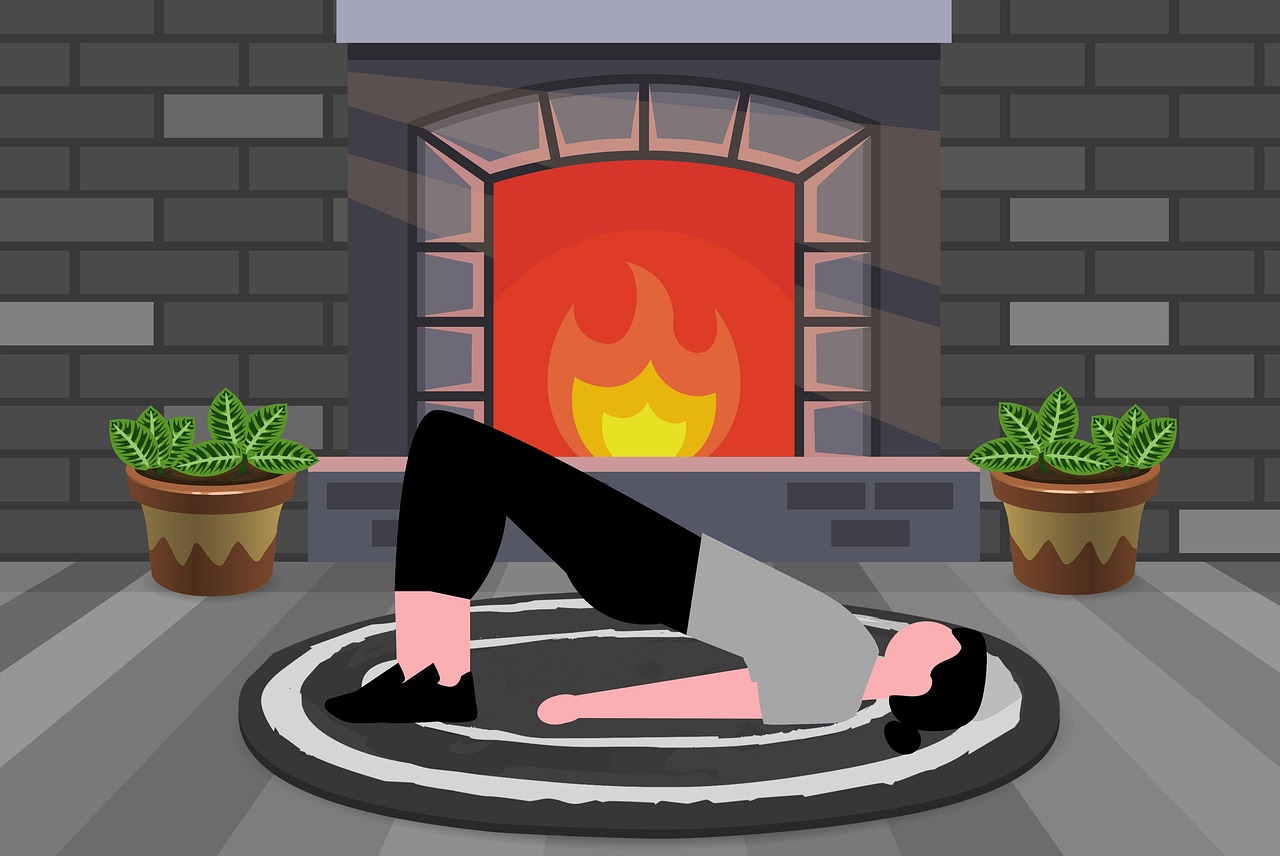
Flexibility becomes increasingly important with age, as muscles and joints naturally become stiffer. The unique approach of Pilates directly addresses flexibility through a combination of stretching and strengthening exercises. Each session of Pilates for seniors can incorporate gentle stretches designed to improve overall range of motion. Exercises targeting specific muscle groups while promoting elongation are crucial for reaping long-lasting benefits. For instance, the Spinal Stretch, Shoulder Bridge, and Cat-Cow allow enhancement of flexibility in a safe manner. Participants will learn proper breathing techniques allowing greater movement control. Implementing light resistance or engaging tools like stretch bands helps develop both strength and flexibility simultaneously. By building flexibility through Pilates, seniors may discover improved balance and reduced risk of falls. Regular sessions can lead to a more graceful movement, enhancing the enjoyment of daily activities. Investing in flexibility soothes stiffness often felt after prolonged periods of immobility, boosting overall comfort in movement. To aid accessibility, they can utilize video tutorials or attend community classes, offering modifications customized for various fitness levels. Encouragement from instructors plays a significant role in establishing a positive attitude toward one’s abilities in both group and individual setting.
An essential aspect of Pilates for seniors involves understanding the importance of posture and alignment. As individuals age, chronic issues like rounded shoulders or slumped backs may arise. Pilates emphasizes the significance of maintaining proper structural alignment throughout practice. By prioritizing alignment, seniors can protect their joints and prevent common injuries associated with poor posture. Educators incorporate specific exercises that target these areas, instilling awareness about achieving an upright position. Exercises like the Wall Roll Down and Standing Footwork help create muscle memory around correct alignment. Participants are encouraged to focus on their bodies during movement while learning to nurture and respect natural limitations. Gradually adjusting positions with awareness can foster improvements over time, instilling confidence and promoting a sense of accomplishment. Moreover, attention to posture may contribute positively to confidence. Seniors often feel more capable when they engage better alignment in daily activities. The social interaction within group settings can further enhance motivation to make these adjustments. Consider engaging an instructor specializing in senior populations to help ensure that exercises align with individual capabilities. In the long run, proper alignment can drastically change how seniors experience and enjoy their daily lives.
The Role of Community in Pilates
Participating in Pilates challenges offers seniors a unique opportunity to connect with a supportive community. Engaging with others who share similar fitness goals can enhance motivation and accountability. Group participation creates an inviting environment for those beginning their fitness journey. Seniors develop friendships that foster encouragement and shared experiences, making each class more enjoyable. Having workout buddies also proves beneficial in maintaining consistency, as peer support contributes to sticking to routines. Additionally, socializing while exercising can provide mental and emotional benefits. Laughter and camaraderie are vital components of a fulfilling Pilates experience. Building connections with peers makes challenges feel less daunting and more uplifting. Regular interactions also promote a sense of belonging, which can significantly improve mental well-being in seniors. Consider seeking community pools, gyms, or local organizations offering specialized Pilates classes tailored to seniors. Some local studios even provide social activities post-class, extending camaraderie beyond the workout environment. When seniors feel connected, their enthusiasm and commitment toward their health steadily increase. Thus, establishing a nurturing community becomes essential for achieving fitness goals. Programs that include social aspects significantly contribute to thriving physically and mentally.
Implementing mindfulness into Pilates sessions can enhance the mental aspect of fitness for seniors. Mindfulness encourages individuals to focus on their breath and movements throughout practice, fostering a deeper connection with their bodies. This awareness not only improves technique but enriches the overall experience of each session. Practicing mindfulness empowers seniors to tune in and recognize their personal limits while exercising. This may also promote a healthier mindset around fitness and wellness, allowing participants to appreciate progress without unnecessary pressure. The connection between body and mind serves as an effective approach for stress management, as Pilates emphasizes relaxation within movement. Engaging in mindfulness-based workouts can alleviate anxiety and cultivate gratitude for one’s abilities. In an atmosphere where seniors feel encouraged to prioritize mental well-being, they develop healthier habits over time. This shift in perspective transforms challenges into opportunities for personal growth. Settings that prioritize mindfulness and self-compassion cultivate a positive feedback loop. Consider taking classes that include mindfulness components or utilizing guided meditation videos before Pilates sessions. This supports a well-rounded fitness approach, allowing seniors to feel uplifted, empowered, and motivated in their health pursuits.
Setting Realistic Goals
Establishing realistic and achievable goals is a crucial aspect of engaging in Pilates challenges for seniors. Setting small, measurable milestones provides motivation and creates a sense of accomplishment. Rather than attempting a complete transformation overnight, seniors are encouraged to focus on gradual improvement over time. This mindset fosters patience, allowing individuals to appreciate each step of the journey. Recognition of personal progress, such as completing a series of exercises with ease, serves as an encouragement to continue. Utilizing fitness trackers or journaling activities associated with workouts can help visualize progress. Create a list of goals based on individual ranges of abilities, identifying personal priorities for their health journey. These goals can include improving flexibility, strength, or overall muscle tone. The key lies in ensuring these targets are aligned with what participants can realistically achieve while maintaining motivation. Establishing a buddy system among fellow participants can provide further accountability. Connecting with others facing similar challenges helps foster a stronger network for support. Overall, emphasize the importance of setting a foundation for success, focusing on sustainable change rather than quick fixes, making every achievement worthwhile.
Including fun and engaging challenges into Pilates routines can enhance enjoyment for seniors. By varying classes, instructors can inject creativity and keep participants excited about their routine. Incorporating themed classes, such as holiday workouts or fitness challenges, encourages active participation while keeping the atmosphere lighthearted.Engaging participants with upbeat music and friendly competitions can further boost motivation. Adding elements like props and partner exercises can create dynamic challenges that revitalize practice. Seniors often feel reinvigorated when doing activities that inspire laughter and camaraderie. Different ways of performing familiar exercises can engage diverse muscle groups while keeping workouts fresh. It is essential for instructors to read the room during class, understanding the specific needs of seniors. Creativity challenges can encourage not only physical growth but also mental stimulation, leading to lasting benefits and increased enjoyment. Moreover, the sense of accomplishment that comes with completing a challenge reinforces seniors’ desire to pursue active lifestyles. Consider researching different formats like chair Pilates or outdoor classes, accommodating various abilities and preferences. Ultimately, infusing a sense of fun into Pilates can foster a lifelong dedication to active living among seniors.