
The Evolution of Women’s Bodybuilding: Past, Present, and Future
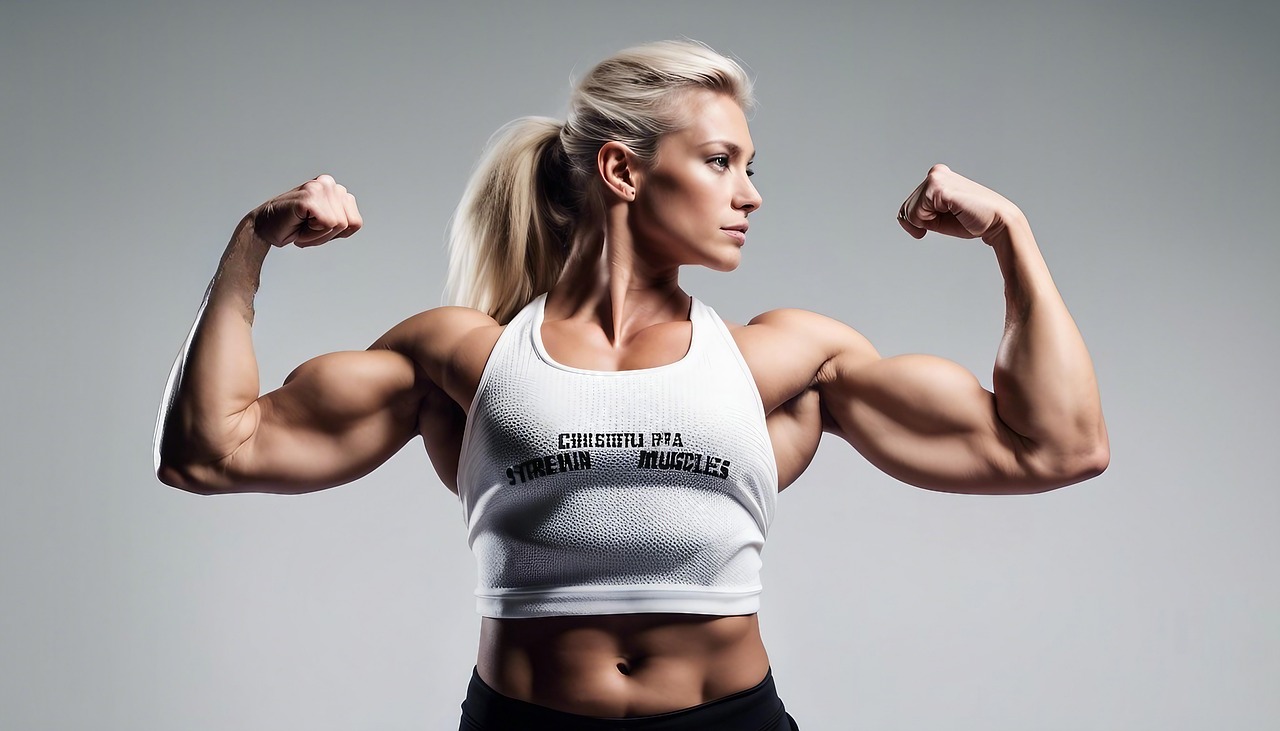
The journey of women’s bodybuilding has witnessed significant transformations over the decades. In the early days, females engaging in weight lifting faced considerable societal backlash as it was often frowned upon. However, figures like Linda Murray and Rachel McLish emerged, paving the way for acceptance and admiration. Their strong physiques challenged traditional standards of femininity and strength. As societal norms evolved, so did the sport, leading to women gaining more visibility and recognition in bodybuilding competitions. Organizations like the IFBB began to create divisions specifically for women, allowing them to showcase their hard work and dedication. Fans and participants began to appreciate a new narrative that valued women’s strength and athleticism. Today, we find a thriving community of female bodybuilders who inspire others to break stereotypes. Social media has further amplified these narratives, bringing figures like Dana Linn Bailey and Kelsey Byers into the spotlight. Women now occupy significant roles in gyms, competitions, and fitness culture overall. The burgeoning support networks also empower aspiring bodybuilders, highlighting the importance of healthy body images. This evolution exemplifies not just a shift in sport, but also empowerment for all women.
Cultural Shifts and Challenges
The cultural perception of bodybuilding among women has faced numerous challenges, yet it has transformed dramatically. Initially dismissed as overly masculine, women’s bodybuilding has begun to receive significant attention and acceptance. Shifts in media representation, coupled with increased participation, have fostered a more inclusive environment. However, challenges still persist regarding body image and the pressure to conform to societal standards. Many female bodybuilders struggle against preconceived notions of femininity while trying to find their identity within the sport. This ongoing identity conflict often manifests in public criticism and scrutiny. The sport itself has evolved, incorporating various styles beyond traditional bodybuilding, including fitness, physique, and figure categories. Each category emphasizes different aspects of strength and aesthetics, catering to a broader audience. Furthermore, female athletes today are influential figures, often engaging with their followers on platforms like Instagram and YouTube. They serve as role models, showcasing not just their physical gains but also promoting overall health and wellness. Education about nutrition, strength training, and mental well-being is crucial in transmuting the sport’s image into one of empowerment rather than mere appearance.
The emergence of female bodybuilders has also seen alliances form between athletes and health organizations. This partnership promotes nutrition and exercise regimes that advocate for women’s health as a priority over aesthetics. Women’s bodybuilding competitions now celebrate diversity and uniqueness, showcasing various muscle shapes, sizes, and styles. The message has shifted towards strength, resilience, and empowerment, fostering a culture of unity among athletes. With recourse to expert opinions, aspiring bodybuilders can learn about the benefits of resistance training and how it impacts overall health. Women are increasingly stepping into coaching roles, mentoring young athletes and sharing insights that can transform lives. Notably, female bodybuilding events now witness a rise in participants, drawing a broader audience. Powerlifting and strongwoman competitions thus provide more platforms for female athletes. This blossoming community encourages women to challenge limitations and redefine traditional concepts of femininity. As we move forward, it is imperative to recognize the significant progress made while still addressing ongoing challenges within the sport. The collective voice of female bodybuilders seeks to transcend stereotypes and create a legacy of strength accessible to all women.
The Role of Social Media
Social media has played a transformative role in the evolution of women’s bodybuilding, serving as a platform to inspire and educate. It allows athletes to document their journeys, whether through sharing progress photos, workout tips, or motivational messages. This sharing fosters community and collaboration, linking women across the globe who share similar aspirations. Influencers and fitness trainers who began with modest following have turned into prominent figures in the fitness community, promoting body positivity while advocating for health and strength. Instagram, YouTube, and other platforms have become vital for building brands and engaging with fans. Many female bodybuilders utilize these platforms to engage with their audience directly, breaking down barriers between athletes and fans. This transparency humanizes athletes, allowing them to share vulnerabilities while educating others about training regimens and nutrition. Additionally, numerous hashtags emphasize this shared experience, from #WomenWhoLift to #StrongIsTheNewPretty. The visual nature of social media amplifies the representation of women in strength sports, illustrating that varied body types can also be strong. This has given rise to new standards of beauty within the sport, enhancing the overall female bodybuilding narrative.
Women’s bodybuilding also emphasizes the importance of mental health, something that cannot be overstated within the fitness community. The pressures of competition and societal expectations can lead to stress and anxiety among athletes. Initiatives promoting mental well-being encourage athletes to seek balance, understanding that health is a holistic approach encompassing body, mind, and spirit. Female bodybuilders are now open about discussing their mental health struggles, advocating for self-care practices alongside physical training. The integration of wellness seminars, workshops in sports psychology, and peer support groups have become invaluable resources for many. These gatherings create safe spaces where athletes can share experiences, reinforcing camaraderie and solidarity. Also, competitions have begun to include assessments that prioritize mental health and emotional fitness. As the industry moves toward inclusivity, the focus on comprehensive well-being creates a healthier environment across the sport. This evolution highlights that bodybuilding isn’t merely about physical strength but also fostering a healthy mindset. Emerging trends tap into mindfulness and stress management techniques that enhance athletes’ performance. Encouraging resilience proves crucial for longevity and fulfillment in their bodybuilding journeys.
Future Directions in Women’s Bodybuilding
The future of women’s bodybuilding is ripe with potential and optimism. As more women participate in this empowering sport, evolving trends and new innovations will likely emerge. Women’s divisions will continue to gain prominence in competitions, promoting fairness and recognition across categories. The inclusion of diverse body types, experiences, and ethnicities in competitions represents a significant shift. Growing demand for workshops, classes, and motivational talks from seasoned athletes will provide guidance to newcomers navigating their paths. Looking forward, collaborative initiatives among female athletes and organizations can further elevate the industry’s standards. A focus on sustainability is also emerging, with an emphasis on eco-friendly practices within the fitness culture. Women’s bodybuilding will undoubtedly expand beyond the traditional realms of competition, fostering a community centered on advocacy and education. Continued participation in local and global events showcases female athletes achieving milestones unimaginable years ago. As the sport thrives, the increased representation of women across media and public forums underscores this evolution. Societal changes indicate that women’s bodybuilding might soon receive the broader acceptance and respect it deserves. The lines between sport, lifestyle, and identity will increasingly blur, celebrating women’s strength.
In essence, as we reflect on the evolution of women’s bodybuilding, the trajectory signifies more than just physical transformation. It’s a narrative of resilience, empowerment, and breaking stereotypes. The badassery inherent in these women serves as an inspiration, proving that strength knows no gender. Each athlete’s journey encourages others to pursue their ambitions boldly, regardless of outside opinions. The focus has shifted to health and strength rather than mere aesthetics, allowing women to find joy in lifting as a form of self-care and an expression of individuality. Allowing women to dominate various arenas of the sport will ensure creativity and growth continue at unprecedented rates. Bridging information gaps through accessible resources empowers aspiring bodybuilders to make informed choices. The collective feminist movement within this space has the potential to promote lifestyle changes and reach new audiences. It ultimately shapes future generations of women who will push boundaries, redefine strength, and lead with their authenticity. As this community thrives, it signifies a future where women’s bodybuilding continues growing, fostering inclusivity and transforming lives.
Conclusion: A Legacy of Resilience
The evolution of women’s bodybuilding encapsulates a legacy of resilience, celebrating strength in all forms. Each challenge faced adds to the rich tapestry of female athletes defining their narratives. Embracing their unique beauty and capabilities, they inspire others to pursue their passions without fear. This movement champions not only bodybuilding but also encourages women to embrace fitness as a lifestyle. The future promises even more representation, acceptance, and support. Engaging in these conversations ensures that the sport continues to flourish, offering platforms for all women to excel. The remarkable journey from the sidelines to the spotlight is a testament to progress. Through community support, social media, and advocacy, the landscape of female bodybuilding has transformed drastically. The emphasis on holistic health, mental well-being, and physical strength creates an empowering culture that celebrates diversity. Recognizing and honoring these achievements highlights the ongoing commitment to women’s fitness and sports. As we move forward, let us remember the pioneers who fought to create this space and continue to advocate for future generations. Women in bodybuilding are not just athletes; they are changing the narrative and inspiring countless others.