
Wearable Devices That Encourage Outdoor Play for Kids
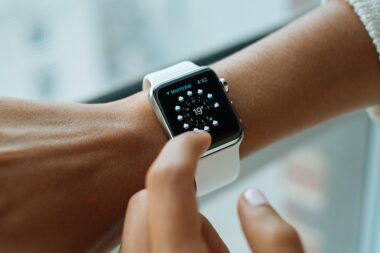
In today’s technology-driven world, wearables have become a significant component of fitness, especially when it comes to kids. These innovative devices now focus on encouraging children to engage in outdoor activities. Wearables designed for kids often provide an engaging interface that motivates young ones to explore their surroundings while they track their movements and activities. For instance, many of these devices come equipped with game features that encourage children to complete various outdoor challenges. Additionally, the use of colorful and appealing designs makes them attractive to children, increasing their likelihood of wearing the devices regularly. Furthermore, some wearables are integrated with educational elements that can teach children about health and fitness while they play. This dual-purpose functionality may make outdoor play more enjoyable and informative. Parents also appreciate how these devices can monitor their child’s activity levels, ensuring they obtain the recommended daily amount of exercise. In essence, wearable devices help facilitate a balanced lifestyle for kids, ensuring they are active and adventurous while still enjoying the benefits of technology in their daily lives.
The Benefits of Wearable Technology for Kids
Wearable technology for kids can significantly impact their physical fitness and overall health. These devices often include features that encourage children to engage in activities they might otherwise overlook. Many wearables have step counters or activity trackers that provide immediate feedback, allowing children to set goals and challenge themselves. This gamification aspect makes fitness feel less like a chore and more like a fun activity. Moreover, they can also promote social interaction, as many devices allow kids to connect with friends or compete against them, enhancing the excitement when participating in outdoor games. Safety features are another important aspect of kids’ wearables. Parents often seek GPS trackers, which can help monitor a child’s location during outdoor play. This peace of mind enables parents to encourage their children to play outside without constant worry. Furthermore, many wearables encourage physical education through interactive learning, combining knowledge with fitness. There’s a diverse range of fashionable designs and colors, appealing to children’s interests, fostering a connection between the child and the wearable device.
In addition to providing motivation and entertainment, wearables can also promote healthy lifelong habits. Instilling good fitness practices at a young age sets the foundation for a healthy lifestyle as children grow. Regular physical activity is essential in fighting obesity and ensuring children develop strong muscles and bones. Most wearables provide reminders to stand, walk, or participate in activities, helping integrate movement into a child’s daily routine. Furthermore, through continuous feedback on their performance, kids develop a deeper understanding of their bodies and their capabilities. Over time, this understanding fosters a proactive approach to health, as they learn to value their well-being. In schools, incorporating wearables in physical education curricula can revolutionize the way kids engage with fitness. Using technology for fitness can create a fun and informative atmosphere that enhances participation during exercises. This leads to improved physical conditioning among students and cultivates an appreciation for staying active as part of their lives. Overall, using technology to promote children’s fitness can have lasting benefits for their health and self-esteem as they grow into adulthood.
There are numerous types of wearable devices available that can cater to different activities and interests of kids. For those who enjoy sports, fitness bands and smartwatches can track performance metrics, such as heart rate, calories burned, and distance traveled. These wearables often include interactive challenges, encouraging kids to participate in friendly competitions. On the other hand, some wearables, like activity trackers, focus solely on movement and daily steps rather than advanced metrics. This simplicity encourages children to understand the importance of being active without overwhelming them with technical data. Furthermore, smart apparel has emerged, which embeds sensors into clothing to monitor movement patterns. These sensors provide feedback, allowing kids to self-correct their postures, especially during activities like running or biking. With an increasing variety of choices available, parents can find the ideal wearables that resonate with their child’s personality and interests. Ultimately, the diversity in wearables caters to the unique preferences of each child, making fitness exciting without feeling tedious, promoting outdoor play as a natural part of their daily routine.
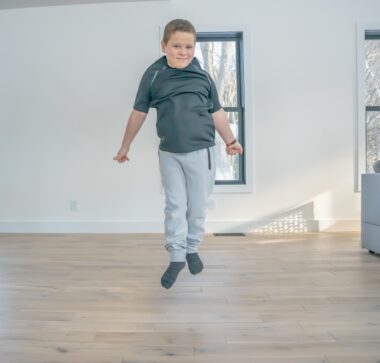
Engaging children in outdoor play is essential, and wearable devices serve as an excellent tool to achieve this. By turning fitness into a game, kids will be more inclined to participate. Encouraging outdoor play helps improve physical health, reduces screen time, and promotes social interaction. Moreover, as they commune with surrounding nature, children can gain a deeper appreciation for the environment, thus fostering a sense of responsibility towards it. Many wearables offer features such as badges, rewards, and social sharing capabilities, providing a level of social affirmation that kids thrive on. This can serve as both motivation and validation. Additionally, wearables can help establish physical play as a viable alternative to sedentary entertainment like video games, which has become a prevalent concern for parents. The data collected can even help parents understand their child’s activity level better, leading them to encourage more outdoor activities based on observed trends. Emphasizing the importance of outdoor play through tangible achievements encourages a balanced, health-conscious mindset. In doing so, wearables seamlessly integrate into a child’s playtime, turning any outing into a fun, active challenge.
As children progress through various stages of their lives, wearables can evolve with them. From simple activity trackers in early childhood to advanced multi-sport smartwatches in their teenage years, technology adapts to suit growing needs. Parents can start with more basic devices that focus purely on fun and encourage outdoor play for children under age 10. As children grow older, advanced devices can track more detailed physical fitness metrics, aiding them in their competitive sports. Furthermore, the data collected by these wearables enables children to see their personal growth over time. A child’s ability to track their improvement can foster a sense of accomplishment and boost self-esteem. Involvement in sports can actually drive healthy competition, and wearables can provide individual performance assessments tailor-made for each child. Furthermore, they can encourage collaboration among peers, fostering teamwork and friendships. With increased participation in outdoor activities facilitated by wearables, children can create memories that last a lifetime while enhancing their physical health and social skills, ultimately cultivating wellness from a young age.
Finally, it is crucial for parents to remain involved with their children’s use of wearables. Establishing guidelines for technology use can contribute to a healthy balance between outdoor play and screen time. With clear expectations, families can discuss data collected from the wearable, providing children with opportunities to learn from their physical activities. Careful monitoring of playtime can help prevent excessive competition while promoting collaborative play. Involving children in conversations about their performance can cultivate a sense of responsibility toward their health, encouraging them to take ownership of their fitness journeys. Additionally, discussions can lead to a deeper understanding of personal health metrics, helping children develop critical thinking. Parents can foster an interactive environment by reviewing data collected together, thereby encouraging children to set personal goals. This collaborative approach helps build both self-esteem and family bonds. Ultimately, wearables should not replace parental guidance but act as companions in children’s lifelong fitness journeys. By ensuring children lead healthy, balanced lives, wearables can serve a crucial role in advocating for outdoor play, promoting not only well-being but also fostering family connection through active engagement in fitness.