
Pilates and Athletic Performance
Pilates has emerged as a pivotal fitness regime for competitive athletes seeking to enhance their performance. By incorporating Pilates into their training routines, athletes experience improved core strength, flexibility, and balance. This method emphasizes body awareness and control, which translates to better stability during competitive events. For athletes in sports like gymnastics and swimming, improved flexibility allows for extended ranges of motion, crucial for executing complex routines or strokes. Furthermore, the focus on breathing in Pilates supports optimal oxygen intake, improving stamina and endurance. Many renowned athletes, including elite dancers and fighters, report that practicing Pilates leads to significant gains in their respective sports. It also aids in injury prevention, allowing athletes to train longer and harder while minimizing risks. The emphasis on alignment and postural awareness fortifies the body against common sports injuries. With a tailored Pilates program, athletes can address specific muscular imbalances, enhancing overall performance on the field or court. This holistic approach not only cultivates physical prowess but encourages mental resilience, essential for high-level competition. Athletes committed to Pilates frequently cite these benefits as crucial in their pathway to success.
Athlete Testimonials
Many competitive athletes have shared how Pilates transformed their training regimens dramatically. For instance, professional tennis player Maria Sharapova praised Pilates for not only improving her core strength but also aiding in injury recovery. The structured movements and low-impact nature enabled her to overcome physical setbacks while enhancing her agility on the court. Similarly, Olympic diver David Boudia incorporates Pilates into his training, hailing its role in improving his focus and strength-to-weight ratio. He attributes his success in high-pressure competitions to the mental toughness and physical conditioning gained from regular Pilates practice. Furthermore, cyclist Clara Hughes revealed how Pilates helped maintain her endurance during long races, significantly impacting her performance. By emphasizing controlled movements, Hughes improved her body mechanics, enabling her to push her limits on the bike. These testimonials underline how Pilates not only conditions the body but also builds a mental framework that fosters success. Athletes often find that they exceed previous performance thresholds, achieving personal bests after integrating Pilates into their routines consistently. The psychological benefits paired with the physical enhancement form a solid foundation for competitive sports success.
The Science Behind Pilates Benefits
Research supports the positive impact Pilates has on athletic performance, revealing how it optimizes body mechanics. A study conducted at a renowned sports science institute found that athletes who included Pilates in their regimen showed marked improvements in power and injury resilience. The controlled movements of Pilates focus on dynamic stabilization, allowing athletes to gain better control over their muscle engagements. This aspect is particularly advantageous for sports requiring sudden changes in direction or rapid movements. Furthermore, Pilates promotes neuro-muscular connections, enhancing athletes’ responses during competition. Enhanced proprioception enables athletes to be aware of their body posture and movements, leading to improved overall performance. Another significant benefit noted in studies is cardiovascular endurance. Athletes practicing Pilates reported lower heart rates during competition, indicating improved oxygen usage. Importantly, Pilates also addresses the psychological component of athletic success. It reduces performance anxiety by emphasizing mindfulness and breathing techniques. These benefits contribute to improved concentration during high-stakes competitions. Overall, scientific findings consistently highlight how Pilates not only enhances physical attributes but combats mental obstacles faced by athletes competing at high levels.
This is an essential takeaway for athletes looking to improve their focus during competitions.
Integrating a dynamic Pilates routine can lead to remarkable performance enhancements.
The variety of exercises allows for specific adjustments to meet diverse athletic needs.
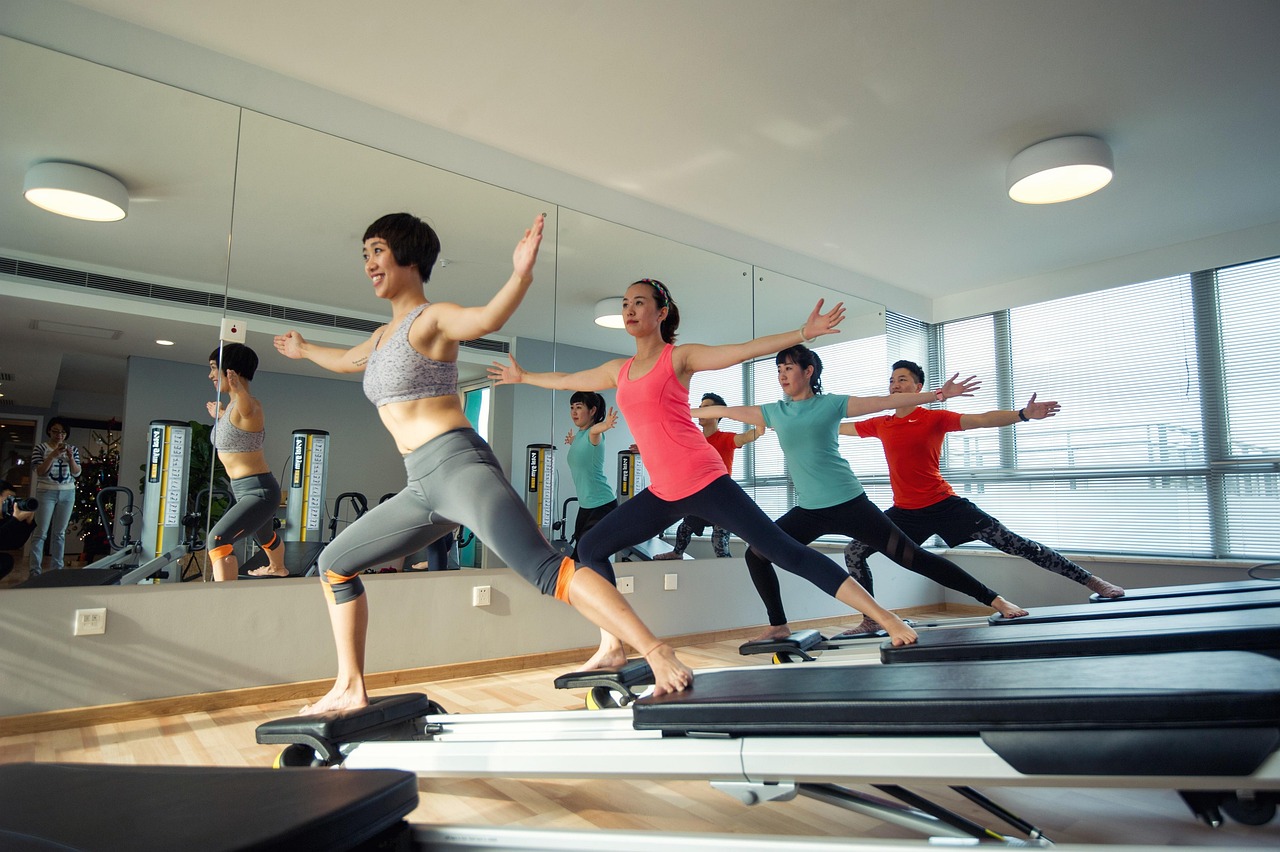
Incorporating equipment like the reformer can maximize strength and flexibility gains.
This approach encourages athletes to discover new dimensions of their physical capabilities.
Many athletes note that Pilates fosters adaptability, crucial for managing unexpected challenges in competition.
Through mindful movement, athletes experience elevated adrenaline levels that can translate into improved sports performance.
Therefore, recognizing Pilates as a complementary practice is vital for competitive athletes seeking edge and longevity.
Getting Started with Pilates
For athletes new to Pilates, starting with basic exercises is crucial to build a solid foundation. Many gyms and studios provide introductory classes designed specifically for athletes, ensuring tailored instruction from experienced trainers. These classes typically cover essential movements focusing on core engagement and proper alignment. Athletes should allocate at least two sessions weekly to see significant improvements in their performance and overall physical condition. Additionally, incorporating Pilates equipment, such as the reformer, can provide resistance training that enhances muscle strength effectively. Setting clear goals is beneficial when embarking on a Pilates journey, focusing on areas of improvement like flexibility, balance, or strength. Athletes might also consider consulting a Pilates instructor specializing in sports performance to create a personalized program. Consistency in practice will lead to better results, and tracking progress aids in maintaining motivation. Athletes should note that immediate results may not be apparent but will compound over time, contributing to overall fitness enhancements. Integrating Pilates gradually within their existing workout regimen can also ensure a smoother transition and help avoid potential injuries.
Many athletes have experienced pivotal shifts in their health and performance through Pilates.
Such profound changes often inspire active involvement in the practice’s community.
Enthusiastic practitioners frequently engage in discussions concerning techniques and experiences that deepen involvement.
These vibrant communities provide resources, encouragement, and professional advice.
Creating networks through Pilates can enhance motivation and knowledge, fueling athletes’ ambitions.
Networking with fellow athletes who practice Pilates fosters accountability, enhancing individual commitment to training.
Group classes often amplify social interaction, breaking monotony associated with solitary training.
Ultimately, this community bonding plays a crucial role in encouraging athletes to stay dedicated on their journey toward success.
Conclusion: The Future of Pilates in Sports
The future of Pilates in the athletic world looks promising as more athletes recognize its multifaceted benefits. This practice is gradually becoming an essential component of sports training programs, contributing to enhanced performance and injury prevention. Training institutions are beginning to incorporate Pilates into their curricula as a standard practice recognizing its value in shaping well-rounded athletes. Moreover, as researchers continue to explore the benefits of Pilates, findings will likely promote its adoption in all athletic disciplines. The emphasis on holistic health and well-being dovetails perfectly with the modern approach to athletic training, highlighting the importance of mental health. As athletes share their success stories, the community around Pilates is expected to grow, connecting more athletes to these transformative benefits. Furthermore, technology’s role cannot be overlooked, with online classes and applications providing broader accessibility to Pilates instruction. This accessibility will foster greater engagement among athletes looking for convenient training options. Therefore, embracing Pilates enhances athletic potential while cultivating a healthier mindset, ensuring a well-rounded focus in pursuit of success.
In conclusion, the significant advantages of Pilates for athletes cannot be understated.
Through gradual integration into training routines, athletes unlock various physical and mental benefits.
It is essential to recognize the role of body awareness and injury prevention.
Over time, athletes cultivating this awareness can foster long-term success in their respective sports.
This holistic approach ultimately empowers them to adapt and grow even amid fierce competition.
Sharing experiences within the Pilates community reinforces growth and commitment to constant improvement.
Equipped with enhanced physical capabilities and mental fortitude, athletes pave their way to success.
Thus, Pilates stands as a valuable ally for any competitive athlete seeking sustained excellence.