
Using Wearable Technology in Fitness Challenges
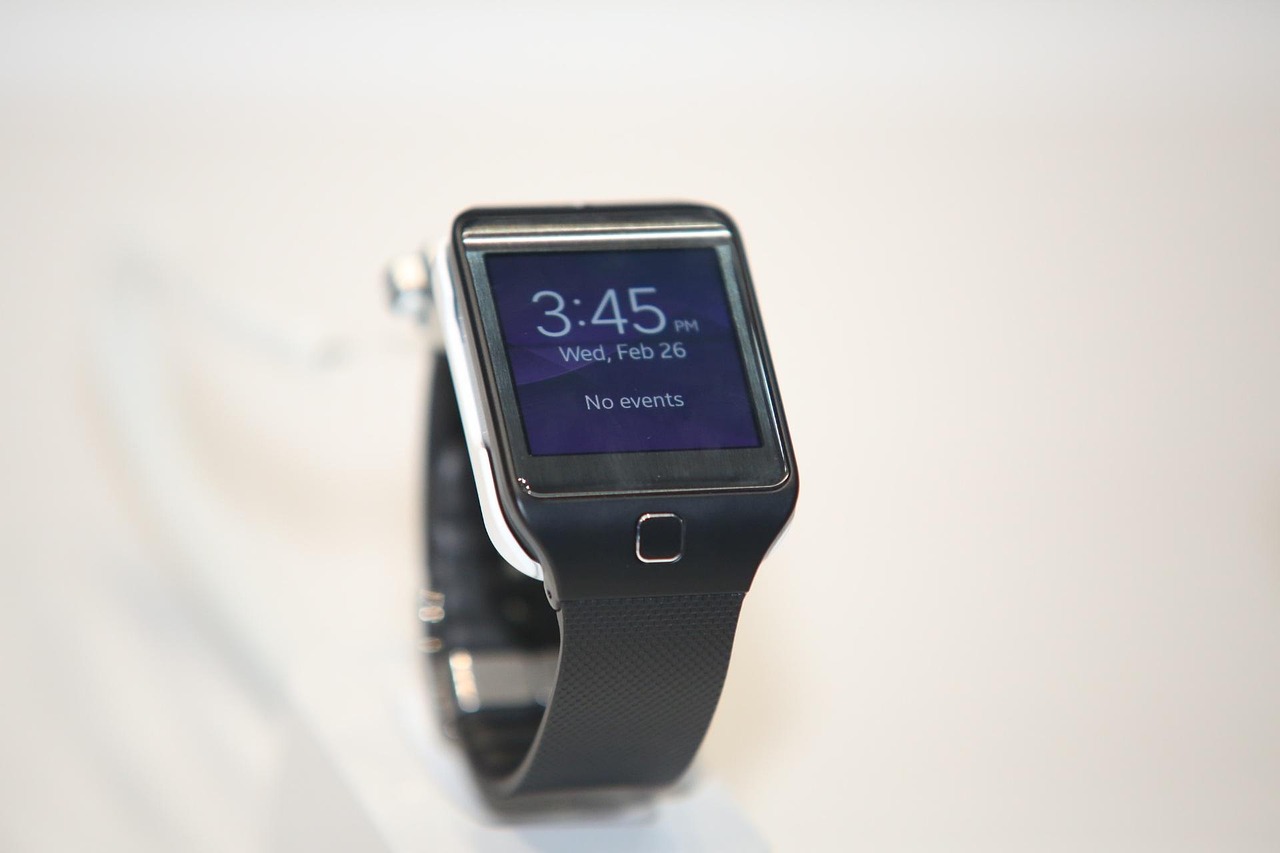
Wearable technology has transformed the landscape of fitness challenges, allowing participants to track their progress in real-time. These devices range from simple heart rate monitors to sophisticated smartwatches that provide comprehensive health metrics. One of the key benefits of these technologies is their ability to analyze data related to exercise performance and overall wellbeing. For example, a fitness tracker can monitor steps taken, calories burned, and even sleep patterns. As individuals participate in challenges, they can set personal goals based on this data, leading to more informed decisions regarding their fitness journey. Moreover, wearable devices often come with integrated social features, enabling users to connect with friends or fellow competitors. This social aspect adds motivation, as competitors can share their achievements and support each other through challenges. Furthermore, many wearable devices offer personalized workout recommendations based on the user’s fitness level, which can help optimize performance. Therefore, by incorporating wearable technology into fitness challenges, participants can gain insights and motivation, ultimately fostering a more engaging and successful fitness experience.
Additionally, wearable technology provides significant health benefits, which are crucial during fitness challenges. These devices can serve as vital tools for monitoring vital signs like heart rate, which helps in maximizing workout efficiency. In turn, this data allows users to stay within their target heart rate zones, optimizing both safety and effectiveness. For instance, many athletes utilize wearables to ensure they train effectively without overexerting themselves, drastically reducing injury risk. This real-time feedback mechanism makes it easier for individuals to adapt their efforts according to their physical responses. Moreover, features like guided breathing exercises and stress level tracking can promote mental wellness, a core component of fitness that is often overlooked. Studies have shown that maintaining positive mental health enhances physical performance, making wearables a holistic tool for health management. Users often receive alerts and recommendations to stay hydrated, take breaks, or adjust their intensity levels, adding to a well-rounded approach to fitness. In essence, the integration of wearable technology not only improves physical capabilities but also offers a comprehensive view of one’s overall health during fitness challenges.
The Role of Data Analysis
Analyzing data captured by wearables during fitness challenges can lead to valuable insights and improved outcomes. These devices collect a plethora of metrics, which can be reviewed post-challenge for patterns and trends. For example, users can assess their performance over various workouts, identifying strengths and weaknesses. By understanding which exercises yield the best results, participants can tailor their routines to maximize effectiveness further. Furthermore, the data allows for setting realistic benchmarks based on historical performance, helping individuals maintain motivation. Wearable tech often includes goal-setting features linked to the data captured. For instance, participants can challenge themselves to run a specific distance or reach a certain heart rate during sessions. This gamification aspect taps into competitive instincts, leading to enhanced engagement in fitness activities. Ultimately, being able to visualize progress through charts and graphs offered by wearables fosters accountability within participants, making them more likely to adhere to their fitness goals. By leveraging insights provided by wearables, participants can ensure continual improvement, making fitness challenges more productive and fulfilling.
Moreover, community-driven challenges facilitated through wearable devices can amplify the experience of participating in fitness challenges. Platforms tied to these devices usually encourage group or community rhetoric, where users can join specific challenges and share their results. Such community interactions can lead to heightened motivation, as members engage in friendly competitions with one another. Features like leaderboards, where participants can see how they rank against others, can inspire users to push themselves further than they might have done alone. Collaborative features, such as sharing achievements and progress updates on social media, further promote an encouraging fitness culture. In addition, some wearables allow for team challenges, where participants work toward a common goal together, reinforcing camaraderie. This social synergy can lead to better adherence to workout regimens and can transform fitness into a shared venture rather than an individual chore. This sense of community facilitates positivity, urging individuals to maintain their fitness commitments. As a result, this collaborative spirit allows participants to sustain enthusiasm, making the journey through fitness challenges enjoyable and rewarding.
Integrating Tracking Apps
In the context of fitness challenges, integrating tracking apps with wearable devices significantly enhances user experience. Many wearables come with accompanying applications that sync with data captured through the device. These apps often provide a user-friendly interface to review detailed analytics and trends over time. Gamification elements found in these applications can include challenges, badges, and rewards for achieving specific milestones. By promoting a sense of achievement and progress, users find motivation to continue their fitness pursuits. Additionally, some tracking apps allow for customization of goals, enabling individuals to set personalized targets based on their fitness level and aspirations. Notifications and reminders can be tailored within the app, ensuring that participants stay on track with their workouts during a challenge. Also, integrating social media sharing options allows users to showcase their achievements to friends and followers. This not only boosts individual accountability but also invites a wider audience into their health journey, promoting the benefits of wearable technology. Consequently, integrating tracking apps can exponentially enhance the effectiveness and enjoyment of fitness challenges.
Furthermore, the compatibility of wearable devices with various fitness applications offers vast opportunities for personalization and enhancement during challenges. Users can select apps that align well with their specific fitness goals or a chosen athletic pursuit. For example, a runner may prefer a wearable device that connects with a running app that provides real-time stats like pace and distance. This kind of compatibility enables users to personalize their fitness experience according to preferences. Different applications might focus on diverse aspects such as strength training, nutrition tracking, or interval training. As fitness challenges often incorporate multiple workout modalities, this diverse compatibility allows participants to use the tools most applicable to their needs. Personnel leaders of fitness challenges can encourage participants to explore various compatible applications to enhance their efficiency. For instance, using nutrition apps alongside wearables can inform participants about dietary decisions that may influence their performance. Thus, the synergy between wearables and applications leads to a more comprehensive approach, maximizing both fitness and health benefits.
Future of Wearable Technology in Fitness Challenges
The future of wearable technology in fitness challenges looks promising as innovations continue to emerge at a rapid pace. Developers are focusing on improving accuracy, longevity, and functionality, which are essential for enhancing user engagement. Next-generation wearables might integrate advanced features like AI-driven insights and health predictions, giving users a more comprehensive overview of their fitness journey. Additionally, wearables are likely to become further integrated with existing smart devices, allowing for seamless data sharing and enhancing user experience across platforms. Consequently, this will motivate users to engage deeper into fitness activities since the data shared will be more holistic. Enhanced user interfaces, such as those utilizing augmented and virtual reality, could profoundly change how fitness challenges are approached. Gamified challenges blending physical activity with virtual rewards may emerge, thus appealing to wider audience demographics. Future wearables may even monitor less obvious health indicators like hydration levels or metabolic markers, which would provide users with deeper insights into their health. As technology evolves, fitness challenges will adapt, fostering a more connected and health-driven society.
In conclusion, wearable technology has become an essential component of fitness challenges, driving engagement and promoting well-being. By leveraging advanced tracking functionalities, participants can analyze their performances to make informed decisions regarding their fitness regimens. This level of analysis not only fosters a sense of accountability but also cultivates personal growth within users. Additionally, the social and community features associated with wearables contribute to a motivating environment, encouraging individuals to pursue their fitness journeys collectively. As technology continues to evolve, wearables will play an increasingly prominent role in enhancing user experiences during fitness challenges. The potential integration of emerging technologies, such as AI and VR, further opens doors to enhanced capabilities and innovative challenge formats. This presents exciting opportunities for the fitness industry and users alike. Looking forward, embracing wearable technology will undeniably change how we approach fitness challenges, ensuring that participants benefit from richer experiences and outcomes. Emphasizing comprehensive health and wellness considerations has never been more crucial. Wearable technology has solidified its position as an integral part of the fitness revolution, paving the path for healthier generations ahead.