
Essential Pool Maintenance Tips for Swimmers
Maintaining a swimming pool can seem daunting, but with the right tips, it becomes an easier task. Regular maintenance not only ensures a safe swimming environment but also prolongs the life of your pool. Start by checking the water level, which should be high enough to allow the pump to operate effectively. Failure to maintain proper levels can lead to pump issues. Additionally, inspect the skimmer and the filter regularly to remove debris and build-up. Consider testing the water chemistry often to avoid problems like cloudy water or algae growth, which can be harmful to swimmers. Calculating the appropriate chemical levels for sanitizing is essential. Adding chlorine when needed and monitoring pH levels significantly impacts the overall pool cleanliness. Don’t overlook the importance of washing the walls and tiles periodically. This prevents algae from taking root and keeps your pool looking pristine. Moreover, regular vacuuming will help keep the bottom clean, eliminating debris that might be hard to see. Lastly, using a pool cover during the off-season can prevent leaves and dirt from accumulating, making your maintenance tasks much simpler.
Additionally, another critical aspect of pool maintenance is the equipment upkeep. Maintaining your pool’s pump and filter is vital for proper operation. A well-functioning pump ensures water circulation, which helps keep the pool clean and clear of contaminants. Make sure to clean the pump strainer basket weekly to optimize performance. Inspect the filter annually for wear and tear. If the filter appears clogged or dirty, it’s time for a deep cleaning or replacement. Furthermore, consider the skimmer and its basket. Regularly removing debris from the skimmer will enhance water flow and quality. Another key element is inspecting the pool’s plumbing for leaks. Water loss not only increases your utility bill but can also lead to structural issues. Perform regular visual inspections to spot leaks and have them repaired promptly. Properly maintaining your pool’s heating system is equally important, especially if you enjoy swimming year-round. Make sure to check for any unusual noises that might indicate maintenance needs. Furthermore, you may want to consult a professional technician to help with complex repairs. This proactive approach can save you money and enhance your swimming experience.
Water Chemistry Management
One of the most essential pool maintenance tips involves water chemistry management. Understanding the right balance of chemicals in your pool water can ensure both swimmer safety and pool integrity. Begin with routine water testing, using test strips or kits designed for this purpose. Vital aspects to check include pH, chlorine levels, alkalinity, and stabilizer concentrations. Ideally, the pH should range between 7.2 and 7.8 for optimal comfort and safety. Sodium hypochlorite or calcium hypochlorite can be used to maintain appropriate chlorine levels, typically between 1 and 3 parts per million (ppm). High levels of chlorine can irritate swimmers’ skin and eyes, making proper monitoring vital. Additionally, maintaining total alkalinity within 80 to 120 ppm prevents rapid pH fluctuations, which can be harmful. Don’t forget to add stabilizer, particularly if the pool receives direct sunlight. This prevents the UV rays from quickly degrading chlorine. Lastly, during heavy rains or after large gatherings, retest the water to ensure it remains balanced and safe for approaching swim sessions.
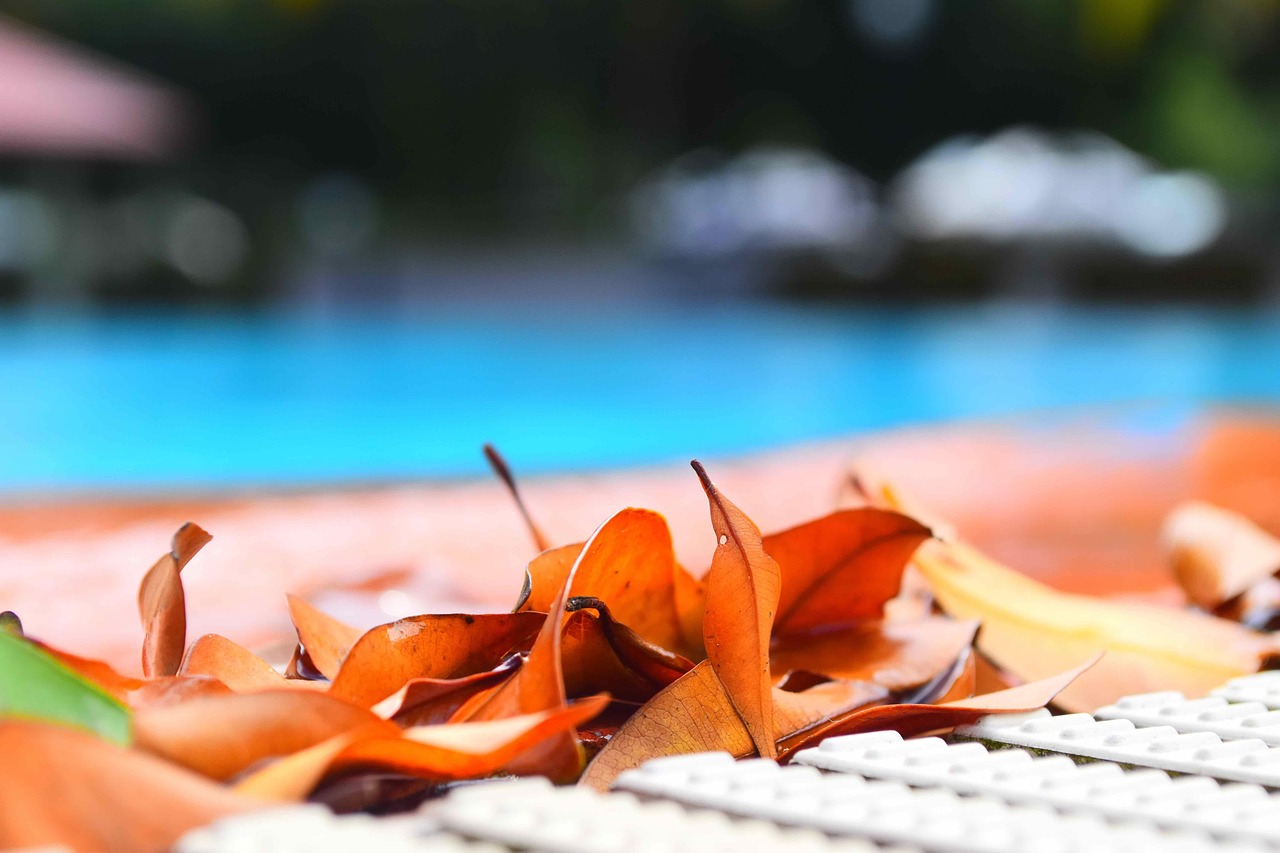
Skimming and brushing regularly is another crucial step in pool maintenance. Skimming the surface of the water and brushing the walls can prevent algae growth and keep the pool looking clean. Utilize a skimmer net to remove leaves and debris from the surface daily, especially during fall when foliage is prevalent. At least once a week, take the time to brush the tiles and walls. This step is essential for keeping algae at bay, as stale water can lead to unsightly green patches. Use a long-handled brush to reach all corners of the pool and ensure even cleaning. Investing in a quality robotic or manual pool cleaner can also enhance cleanliness. These devices can make the vacuuming process more efficient. If you have a vinyl liner, choose a soft-bristled brush to avoid damaging the surface. Schedule routine cleanings to maintain a consistently inviting environment for swimmers. Don’t forget to vacuum at least once every week, or more frequently during heavy debris seasons. Keeping the pool clean helps to reduce chemical use, lowers maintenance costs, and creates a welcoming atmosphere for family and friends.
Winter and Off-Season Care
Proper winterization is crucial for pool maintenance if you live in colder regions. Preparing your pool for winter can prevent costly repairs when warmer seasons return. Start by cleaning the pool thoroughly, removing all debris and dirt. Then, balance the water chemistry and consider draining a portion of the water to below the skimmer. This prevents freeze damage and allows for easier cleaning. When temperatures drop, properly cover the pool with a high-quality pool cover to protect it from winter elements. Invest in a winter cover that can withstand harsh weather conditions, helping to prevent debris from accumulating. Additionally, installing ice pillows can further protect the pool’s surface. Maintaining your pool cover clean throughout winter is important. Remove snow buildup occasionally to avoid excess weight. In spring, once the temperatures rise again, return to the pool to uncover and prepare for the upcoming season. Perform a thorough cleaning, test the water, and treat accordingly. This thorough preparation allows you to enjoy a crystal-clear pool as the season progresses.
Focusing on safety features is also an essential aspect of maintaining your pool. Ensuring that your pool is a safe place for swimmers should be a priority. Consider installing fencing around your pool area as a primary safety measure. Regulations often require fences to be at least four feet tall with self-closing gates to keep unsupervised children out. Additionally, lifebuoys or reaching poles should be placed around the pool for emergencies. Regularly check that all safety devices are in working order and well-positioned. Another important aspect is ensuring pool rules are established and communicated. Clear guidelines on diving, running, and swimming areas can prevent accidents. It’s also beneficial to have a first aid kit readily available in a designated spot. For enhanced safety, consider offering swim lessons to children, teaching them how to be safe around the water. Understanding drowning prevention and being CPR-certified can also help keep your loved ones safe. Lastly, always supervise children and inexperienced swimmers, especially during parties or gatherings to ensure everyone’s safety around the pool.
Conclusion
In conclusion, establishing a comprehensive pool maintenance routine is imperative for ensuring a clean and safe swimming experience. Regular checks on equipment, water chemistry, and cleanliness can create a welcoming environment for family and friends. By managing water chemistry consistently, you can prevent problems that may arise, such as algae growth and equipment failure. Don’t forget to include thorough weekly or bi-weekly cleanings in your maintenance schedule. This will keep debris at bay and preserve clarity. It’s essential to pay attention to seasonal care, whether that means winterizing the pool during off-seasons or ensuring proper safety measures are in place for active swimming months. Ultimately, safety should be paramount. By implementing solid safety practices and educating swimmers, you can prevent injuries and accidents, making every swim enjoyable. The tips outlined in this article can guide you along the path to effective pool maintenance. Remember the importance of consistency in upkeep, and you’ll enjoy the benefits of a clean and safe swimming pool for years to come. These simple steps ensure you get the most enjoyment from your pool investment.
Additional Resources for Pool Care
For those enthusiastic about enhancing their pool knowledge and maintenance skills, numerous resources can provide valuable information. Local pool supply stores often hold workshops, classes, or events where you can learn about the latest maintenance equipment and techniques. Online resources, including videos and articles, can offer tips on proper cleaning methods or how to diagnose common pool problems. Additionally, various forums and social media groups allow pool owners to share experiences and advice, creating a community around pool maintenance. Engaging with experts and other pool owners will keep you informed and up to date on best practices and emerging trends. Moreover, books and magazines focused on home improvement often include sections dedicated to pool upkeep. Public libraries or eBook services can provide access to these materials at little to no cost. Watching informative videos by certified pool professionals can also enhance your understanding. Utilize these resources to maximize your pool’s maintenance knowledge and skills, resulting in a high-quality swimming experience. Following these learning paths will elevate your pool care game and keep your swimming haven sparkling.