Evaluating and Selecting Equipment for Triathlon Training
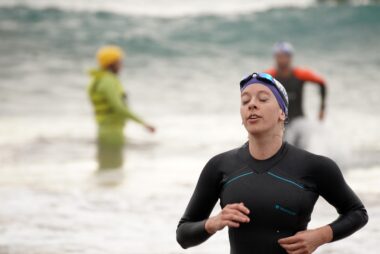
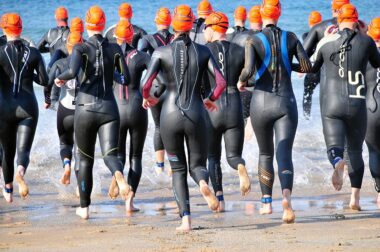
Choosing the right equipment for triathlon training is crucial in maximizing your performance during races. Start by evaluating the disciplines: swimming, cycling, and running. In swimming, invest in a good wetsuit and comfortable goggles that fit well. Wetsuits provide insulation and buoyancy, aiding performance in colder waters. For cycling, a reliable road bike is essential. Lighter bikes and high-quality components lead to better speed and handling. Don’t overlook safety gear such as a helmet and lights, and consider clipless pedals to enhance power transfer. For running, proper shoes are non-negotiable. Get fitted at a specialty store to determine the best shoe type for your foot strike. Beyond these essentials, don’t forget supplemental items like hydration systems and nutritional support. Accessories can enhance your training experience significantly. Lastly, prioritize quality over price; investing in good equipment can save you from injuries and suboptimal performances down the line. Research reputable brands and product reviews to ensure you make informed choices about your equipment, as well. Keeping comfort and efficiency at the forefront will pay off as you progress in your triathlon journey.
Determining Your Needs
Before purchasing equipment, identify specific needs related to your training style and intensity. Assess your current fitness level, goals, and budget. If you are new to triathlons, consider starting with the basics without overspending. Focus on getting a suitable swim, bike, and run set-up first. Tools for tracking your workouts, like GPS watches, can significantly impact training insight and help you manage pacing and distance more effectively. Additionally, partake in community discussions or online forums, as they can offer valuable insights about what others find effective. As your skills develop, you may find the need to upgrade or change equipment. Look out for seasonal sales or promotions for affordable upgrades, and be open to second-hand gear if you’re on a budget. Central to your selection process is the principle of usability; choose items that enhance your training without causing unnecessary distractions. Making thoughtful choices will optimize your overall training experience. In the end, it’s about finding a balance between quality, performance, and budget that works best for you during your preparation.
Another important aspect when evaluating equipment is knowledge about the technology involved in your gear. For instance, understanding what features to look for in a bike, such as wheel size, frame material, and gear ratios, can influence your riding performance significantly. In swimming gear, different types of wetsuits or swimsuits offer varying levels of insulation and buoyancy, essential for different water temperatures. Additionally, within the world of running, knowing whether to choose neutral or stability shoes can make a noteworthy difference based on your run form. Many manufacturers provide user guides or educational content to ease your understanding. Also, researching innovations can help you choose equipment that increases your efficiency, like ergonomically designed handlebars for bikes or breathable fabrics in running apparel. Utilize manufacturer websites as resources to delve deeper into the pros and cons of each feature. Imports like bike fit and running stride analysis can help you select equipment that truly fits your needs and improves performance. Exploring options ensures your triathlon gear complements your training regimen rather than hinders it. Focus on being well-informed as you prepare for racing!
As you start accumulating equipment, consider developing a maintenance routine to extend the lifespan of your gear. Regularly cleaning and inspecting your wetsuit can prevent wear, while consistent bike tune-ups can enhance performance and safety. Follow manufacturer guidelines for caring for your items—separate washing instructions for wetsuits are crucial to avoid wear and tear. Running shoes also require attention; track the mileage to determine when you need replacements. Quality brands often offer tips on maintenance, including when to replace parts like the bike chain or brake pads. Well-maintained equipment performs better and is integral to your overall triathlon strategy. Most importantly, always listen to your gear. If it’s not performing as expected, don’t hesitate to troubleshoot and address issues promptly. Seeking professional help for bike repair or shoe fitting will also ensure optimal performance. The investment in maintenance pays off with prolonged usability, making your training sessions more enjoyable and reducing the likelihood of injury. Retaining focus on gear maintenance is vital to becoming a seasoned triathlete.
Cost vs. Value
Understanding the relationship between cost and value is essential when selecting triathlon equipment. Higher prices typically correspond with increased durability and performance, yet it’s important to differentiate between what is necessary and what is just trendy. Prioritize investing in gear that enhances your performance directly rather than following seasonal fads. Some athletes might find that mid-range items work perfectly for their needs. Conduct thorough market research to compare product specifications across various price points. Don’t hesitate to seek advice from expert athletes or experienced coaches, as their opinions can guide your spending effectively. Additionally, participating in organized triathlons can also offer rental options for gear, making it easier for those starting. Equipment libraries allow you to try high-end gear without a massive financial outlay. Understand your training frequency and likelihood to compete regularly; if you plan to race often, allocating a higher budget towards quality equipment becomes more justifiable. Ultimately, aim to find good deals, shop sales, and off-season discounts to ensure you achieve the best value for your investment.
Test out your equipment before major races to ensure comfort and functionality. Take your bike for multiple rides over varying terrains to better evaluate handling and comfort. When trying out shoes, ensure they fit snugly; running with them is essential to understanding their performance. For triathletes, practice transitions is critical, so incorporate your gear during training. Doing so also highlights potential discomfort or issues, allowing you adequate time to make adjustments or replacements before race day. Also, adjust your bike fit to accommodate different riding positions as you train, maintaining comfort in all situations. Engaging in practice sessions with the full triathlon setup, including transitioning from swimming to cycling, will help you adapt to the various equipment you’ll be using under race conditions. Utilize training as a method of discovery, ensuring that you are fully comfortable before your race day. This verification process reinforces confidence and allows you to streamline your approach when competing. Comfort ensures that mental energy can be solely directed towards race strategy and execution.
Finally, never underestimate the power of community and support in triathlon training. Joining local clubs or online groups can yield recommendations to help you refine your equipment choices significantly. Learning about others’ experiences will prepare you for what to expect, making your journey less daunting. Many clubs offer mentorship where seasoned triathletes share tips and gear reviews, creating a resource-rich environment for newcomers. Sharing experiences promotes valuable exchanges of knowledge that can lead you to better choices. As you evolve in your triathlon journey, don’t hesitate to share your findings with fellow athletes. Contributing to this knowledge pool encourages robust discussions that further enhance equipment selection experience. Look for workshops or clinics that focus on gear, as they often expose participants to various equipment options firsthand. Making connections in the triathlon community also paves routes for collaborations, where shared experiences enrich local knowledge bases. Embracing community resources entails being nimble to adapt but sharing gains momentum for everyone in the sport as it continually evolves together. Plus, remember to have fun and enjoy the journey!