
Gentle Yoga Routines to Support Postnatal Recovery
Postnatal yoga is an excellent way for mothers to reconnect with their bodies after childbirth. It promotes healing and enhances overall well-being. Practicing gentle yoga routines can aid recovery significantly, relieving tension in sore muscles and easing discomfort commonly experienced post-delivery. New mothers often face physical challenges, including back pain and weakened abdominal muscles. Through specific postures, yoga helps in strengthening and toning these areas. Furthermore, embracing yoga encourages mindfulness, allowing mothers to cultivate patience and self-compassion during this transitional period. Yoga also assists in managing stress which can be particularly high in new parents. Focusing on breath helps to ground mothers, providing emotional stability. One simple posture is the Cat-Cow stretch, which promotes spinal flexibility and alleviates back pain. Pairing gentle movements with deep breathing can foster relaxation. Additionally, incorporating meditation can enhance emotional resilience. Committing to a regular practice, even if brief, can yield long-lasting benefits. Therefore, consider integrating these gentle yoga routines into your daily life as a wonderful tool to support postnatal recovery and enhance your journey into motherhood.
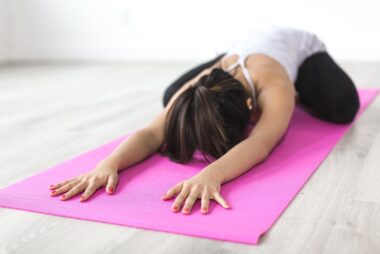
Maternity yoga classes often focus on aligning the body and breath, key components for postnatal recovery. One practical routine involves gentle stretches that help release tightness in the shoulders and neck, common issues after breastfeeding. Gentle side bends can open up tight areas in the body and promote relaxation, guiding mothers towards a sense of calm. Another recommendable posture is the Child’s pose, which allows for a restorative experience, relieving fatigue while encouraging introspection. New mothers often benefit from the simplicity of connecting movement with breath, facilitating emotional awareness. A consistent practice can support physical healing and enhance emotional health. Furthermore, yoga also addresses sleep challenges often faced by new moms. Incorporating gentle stretches before bedtime can promote restful sleep, assisting in recovery. Additionally, group classes provide a sense of community and support, crucial for emotional well-being. Engaging with others in similar situations can foster friendships and provide shared experiences, reminding mothers that they are not alone on their journey. Therefore, join a local class or practice online to benefit from the shared energy of community and guidance.
Benefits of Postnatal Yoga
Postnatal yoga offers numerous benefits tailored for recovery after childbirth. It encourages healing by promoting relaxation through gentle movements. Physical recovery can be accelerated as yoga aids in strengthening pelvic floor muscles, vital for mothers after delivery. Strengthening muscles, particularly in the core and back, can alleviate discomfort and improve posture, which may be affected during pregnancy. Moreover, participating in yoga regularly can enhance overall physical health, boosting energy levels and optimism. Mothers often face emotional challenges, including anxiety and mood fluctuations. Yoga provides an outlet for expressing these feelings, creating a safe space to process emotions. By integrating breath awareness with asanas, postnatal yoga fosters a calming atmosphere that can reduce stress and anxiety significantly. Notably, regular practice enhances circulation, bringing more nutrients to healing tissues. More oxygenated blood helps in revitalizing fatigue and lightening the mood. Practicing yoga can also help mothers reclaim their bodies by instilling confidence in their abilities. Enjoyment of the physical practice reinforces a positive body image. Overall, postnatal yoga nurtures both the body and mind, promoting a healthier and happier transitional phase.
Incorporating mindful breathing techniques into your postnatal yoga practice can further enhance your experience. Breath control or pranayama is crucial in yoga, significantly impacting mental and physical well-being. Deep breathing increases oxygen flow, calming the nervous system. It’s effective for reducing anxiety, especially when overwhelming feelings arise as new parents. Consider simple breathwork techniques like the 4-7-8 method, where you inhale for four counts, hold for seven, and exhale for eight. This method encourages a profound sense of relaxation. Another beneficial posture is the Supported Bridge, which opens the hips and nurtures the spine while allowing the shoulders to relax down. This pose not only physically supports the body but offers an emotional release too. Incorporating props can help create added comfort during practice. Using cushions or blankets provides the necessary support for weary bodies. Designating a specific space in your home for yoga practice can create a calming atmosphere. Consider lighting candles or using essential oils to enhance the experience. These small adjustments can lead to a more transformative yoga session. Therefore, make breathing and comfortable positioning integral to completing routines effectively.
Creating a Routine
Establishing a consistent postnatal yoga routine is essential for reaping the benefits. Scheduling dedicated time for practice, even if brief, can significantly impact recovery. Early mornings or during the baby’s nap times can be ideal. Keeping mats accessible and creating a designated practice space eliminates excuses and encourages commitment. Begin with shorter sessions, gradually increasing duration as strength and endurance build. Engaging with online resources can also spark inspiration, offering flexibility within your recovery journey. Watching instructional videos tailored for postnatal practices can provide guidance. Moreover, setting intentions at the start of each session aids in staying focused. Intention-setting cultivates mindfulness, creating a deeper connection with your movements and breath. Consider journaling your experiences after practice to observe progress. Tracking physical changes alongside emotional shifts illuminates the journey of recovery. Additionally, reflecting on challenges faced may motivate and affirm resilience. Invite your partner or friends to join your sessions, creating a shared experience fosters support and accountability. Practicing with others often brings joy to the process and deepens connections, making it a more enjoyable routine overall. Cultivating community relationships solidifies your commitment to self-care.
As your postnatal recovery progresses, it’s important to listen to your body and honor its limits. Gradually introduce more advanced yoga poses, respecting the fine balance between challenge and comfort. Poses such as Warrior II can strengthen the legs and improve balance, essential for mothers tasked with carrying infants. However, avoid pushing too hard too soon; modification is key. Be mindful of areas still healing and prioritize gentle stretches. Moreover, reconnecting with your breath remains crucial; ensure you are engaging in breathing exercises along with each pose. Familiarizing yourself with your body’s responses allows for tailoring practices to suit evolving needs. Remember, the postnatal period is unique for every woman, and honoring your individual experience is essential. Connecting with other mothers may provide support while normalizing the various feelings encountered. Additionally, consider seeking guidance from a certified yoga instructor who specializes in postnatal yoga. Such instructors can offer personalized modifications benefiting recovery and ensuring safety during practice. Uplifting your practice through community support, professional input, and tailored adjustments fosters a holistic recovery process. In doing so, you nurture your body and spirit, creating a balanced approach to postnatal life.
Conclusion and Moving Forward
Gentle yoga routines can significantly support postnatal recovery and emotional well-being. They address physical discomforts while enhancing mental resilience during motherhood’s challenges. As new parents embrace these routines, the journey of recovery evolves into an empowering experience. Yoga instills a sense of community, as mothers connect through shared experiences and challenges faced in their postnatal journeys. Establishing a supportive environment can transform the practice into a cherished routine. You may cultivate deeper connections with peers and create a sustainable habit that nurtures overall well-being. Remember that every step taken in postnatal yoga practice contributes to a healthier lifestyle. Consider sharing your experiences with others, perhaps through a blog or social media, helping to inspire more mothers in their journeys. Consequently, embracing the lessons learned through yoga may lead you to appreciate your body’s capabilities. Engaging in this practice offers transformative pathways that can ripple through every aspect of motherhood. By prioritizing your wellness and making consistent practices, you honor both yourself and your baby. So, continue to explore, grow, and redefine your journey towards recovery with gentle yoga.
This concluding section reaffirms the significance of postnatal yoga. Engaging with this practice can offer new mothers a sense of empowerment and healing. Nurturing a body that has experienced significant changes is a powerful journey. Yoga is not just about physical recovery; it encompasses emotional healing and mental clarity, adding value to the transition into motherhood. Remember that each practice may feel different, and that’s completely okay. Slow progress is still progress, and patience plays a crucial role throughout this process. These gentle routines serve a vital purpose in helping you rediscover your strength and balance while adjusting to motherhood. Being kind to yourself is vital during this time; cultivate self-compassion and patience as you explore your body’s capabilities. These small yoga routines can become an oasis of calm in a hectic new life. Beyond physical benefits, they offer a moment to breathe, re-center, and reconnect with oneself. As you embark on this transformative journey, embrace the ebb and flow of your practice. Recognize that recovery is not a race; it’s a journey leading you toward well-being, acceptance, and joy.