
How to Time Your Protein Intake for Vegans and Vegetarians in Sports
Timing your protein intake is crucial for maximizing athletic performance, especially for vegans and vegetarians. This population often faces unique challenges in meeting protein needs through plant-based sources. To optimize nutrient timing, athletes should focus on when they consume protein in relation to their workouts. Consuming protein before and after exercise can help improve muscle synthesis and recovery. Pre-workout meals should ideally include easily digestible protein sources such as lentils, quinoa, or plant-based protein powders, providing the necessary fuel for exercise. While protein is essential, the overall carbohydrate intake is also vital for energy levels. Combining protein with carbohydrates in meals and snacks can enhance performance and recovery. Vegans and vegetarians might consider protein-rich smoothies or shakes blended with fruits for both hydration and nutrition. This strategy not only ensures adequate protein intake but also helps in maintaining energy levels throughout the workout. Being mindful of the type and timing of protein can significantly impact results for athletes following plant-based diets. Meeting these nutritional needs encourages optimal performance while aligning with dietary preferences.
The Importance of Protein Timing
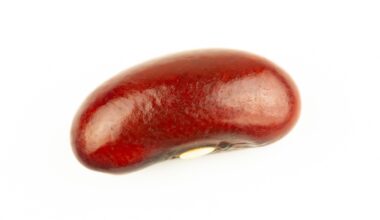
Understanding the significance of protein timing is vital for athletes, particularly those who follow a vegan or vegetarian diet. Protein synthesis is a complex process influenced by the timing and quality of protein consumed. Research suggests that consuming protein soon after exercise can significantly boost recovery and muscle growth. For plant-based athletes, meeting protein requirements is essential to prevent muscle breakdown and support overall performance. It is recommended that vegans and vegetarians focus on high-quality protein sources such as beans, peas, and nuts to achieve their goals. Ensuring an adequate protein intake at meal intervals is essential. Incorporating protein-rich snacks before and after workouts may facilitate sustained energy levels and enhanced recovery. Aiming for around 20 to 30 grams of protein in these post-exercise snacks can support muscle repair. Consistent protein timing, such as having protein-rich meals before and after workouts, is most beneficial for recovery and performance. It is advisable to track one’s protein intake to validate needs effectively. Customized meal plans and dietary strategies enable athletes to meet their requirements effectively, promoting peak performance through proper protein timing.
A strategic approach to protein timing involves understanding personal needs based on activity levels and workout intensity. For vegans and vegetarians, incorporating various protein sources throughout the day ensures they meet their amino acid requirements. Planning meals that combine various plant proteins can help meet the necessary protein profile for muscle synthesis. Foods such as tempeh, tofu, and chickpeas are rich in protein and can be creatively utilized in meal preparation. Designing balanced meals or snacks with appropriate protein ratios three to four hours before exercising can provide vital energy. Post-exercise, recovery meals should be prioritized within the anabolic window, generally within 30 to 60 minutes following the activity. This optimum timing provides the body with the necessary nutrients for effective recovery and muscle building. Smoothies with additions like nutritional yeast or hemp seeds can serve as an effective recovery option. These components not only enhance the protein content but also contribute to overall recovery nutrition, fostering better performance. For those on plant-based diets, maintaining adherence to timing strategies can encourage enhanced athletic performance and continue supporting their dietary choices.
Consider the role of supplements in optimizing protein intake timing for athletes on a vegan or vegetarian diet. While whole food sources should always be prioritized, protein powders can be a convenient and effective way to meet protein intake goals. Options like pea, rice, or hemp protein powders are plant-based, offering sufficient quality for muscle growth. Timing these supplements around workouts can further enhance benefits. Consuming a protein shake approximately one hour before exercising can contribute to muscle strength and endurance while simultaneously preparing the body for activity. After exercise, having another serving of protein can aid in the recovery process. Pairing protein shakes with carbohydrate sources like fruits could optimize recovery. Additionally, explore incorporating protein-rich bars or snacks throughout the day to spread protein intake evenly. For those seeking variety, experimenting with different flavors and combinations of protein sources can prevent monotony and enhance satisfaction. Ultimately, the adaptability of protein sourcing makes it feasible to integrate optimal protein timing without feeling restricted. Supplementation should enrich an athlete’s intake without replacing the essential nutrients from whole foods.
Keep hydration in mind as you work on timing your protein intake. Water plays a vital role in nutrient absorption, muscle recovery, and overall function. Around workouts, ensure to hydrate properly alongside protein consumption, providing the body optimal conditions for recovery and nutrient delivery. Consider including hydrating foods rich in water content, such as fruits and vegetables, alongside protein sources. This strategy can also aid in promoting better performance. Moreover, electrolytes may also be considered post-workout, especially if engaging in intense activities. A well-balanced approach towards nutrition, hydration, and protein timing is essential for peak athletic performance. Customize your dietary timing based on sweat levels and the environment to ensure optimal muscle recovery. Encourage experimentation with timing and intake to discover the best approach that fits individual preferences and needs. A sustainable approach to sports nutrition timing ensures athletes remain energized, without compromising on their dietary choices. Having a practice with precise timing can determine the performance outcome in sports while aligning with ethical dietary preferences and athletic goals.
Meal Examples for Timing Protein Intake
When planning meals to ensure proper protein timing, it’s helpful to have examples that align with vegetarian or vegan diets. For example, a pre-workout meal might consist of a quinoa salad mixed with black beans and topped with pumpkin seeds, providing a combination of protein and complex carbohydrates. This meal encourages sustained energy release during workouts. Post-exercise, athletes may benefit from a smoothie featuring plant-based protein powder, spinach, banana, and almond milk. This blend not only enhances recovery but is also incredibly nutrient-dense. Other meal ideas might include protein pancakes made from oats, almond flour, and mashed tofu served with maple syrup. Again, this meal provides necessary protein for muscle repair while satisfying cravings. Being proactive in food selection before and after workouts is paramount for performance. Meal prepping for the entire week allows easy access to protein sources, ensuring no protein needs are left unmet. Finding simple yet effective ways to integrate protein tailoring into daily routines significantly contributes to athletic performance and health.
In conclusion, timing protein intake is essential for vegans and vegetarians engaged in sports. The strategic scheduling of protein consumption can lead to improved recovery, stamina, and overall athletic performance. Athletes must pay attention to their specific protein needs and aim for a variety of sources that align with their dietary preferences. Furthermore, leveraging the power of plants offers a spectrum of micro and macro nutrients that are beneficial. Engaging in a meal planning routine can create structure, ensuring that these unique dietary needs are met. By understanding the significance of protein timing and being adaptable with meal choices, vegan and vegetarian athletes can boost their performance levels effectively. Collaborating with nutritionists and keeping track of dietary changes can facilitate optimal outcomes. In addition, the incorporation of science-backed strategies and practical meal ideas can empower athletes to achieve their health and performance goals while maintaining their ethical beliefs. Embracing a holistic approach to nutrition will further support longevity and success in the athletic arena. Ultimately, finding the right rhythm through timely protein intake can make all the difference in athletic performance.