
Tailoring Swim Programs for Different Age Groups
Swimming is a vital skill and an enjoyable activity for all ages. When designing swim programs, coaches need to understand the distinct needs associated with different age groups. Children, teenagers, and adults all have various physical, emotional, and psychological demands impacting their swimming experience. For instance, children often require a fun and engaging approach that keeps their attention while teaching the basics of water safety and stroke techniques. Alternatively, adults may seek structured workouts to improve fitness or compete, necessitating a program focused on endurance, strength, and stroke refinement. Furthermore, competitions may play a role in the structure of swim programs at different ages, as younger swimmers might enjoy swim meets differently than seasoned adult competitors. A balanced program should also consider individual skill levels among participants. This personalized approach ensures swimmers derive maximum enjoyment and benefit from their experience while guaranteeing their safety around water. Therefore, coaches must be educated about the appropriate techniques and strategies to effectively tailor swim programs for varied age groups, fostering a lifelong love for swimming and water activities among participants.
Understanding Children’s Needs in Swimming
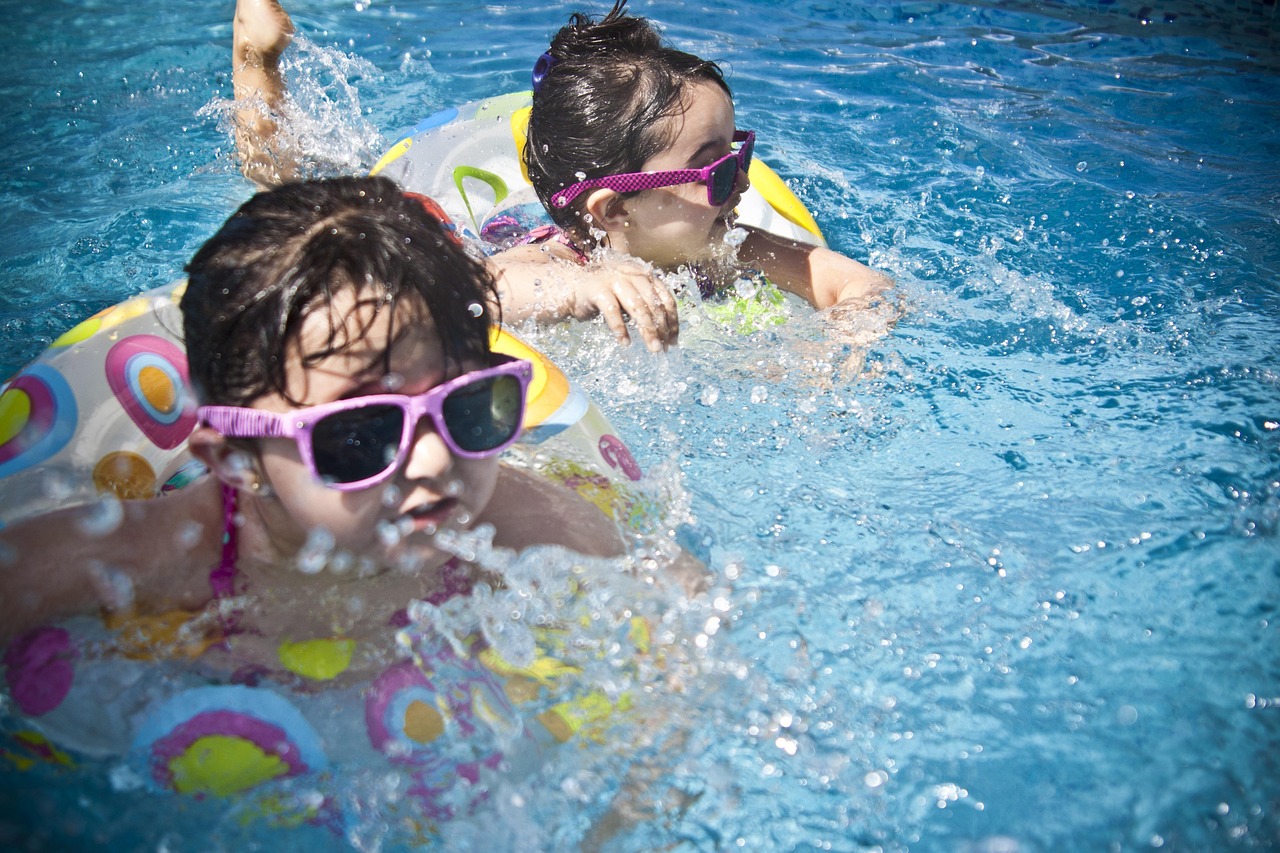
When coaching children in swimming, the primary goal is to ensure they have a positive and safe experience in the water. The focus should be on fundamental skills: floating, kicking, and basic strokes while infusing elements of play to sustain interest. Children learn best through engaging activities, such as games and group exercises that promote teamwork. Incorporating colorful equipment, like flotation devices, can also enhance their interaction with water. Regular feedback, encouragement, and approachable instructors are crucial for building confidence in young swimmers. Coaches should be patient and empathetic, helping kids overcome their fears gradually. Class structure should ideally include small groups, allowing for personalized attention and fostering a supportive environment. Introducing competitive aspects early can enhance enthusiasm and motivation without overshadowing fun. Safety protocols must always be a priority for children, including practicing in shallow areas until they demonstrate proficiency. As children progress, swim coaches must modify the curriculum to challenge them appropriately without losing their enjoyment. Establishing early swimming habits benefits children in their future aquatic adventures beyond the pool, creating lifelong swimming enthusiasts.
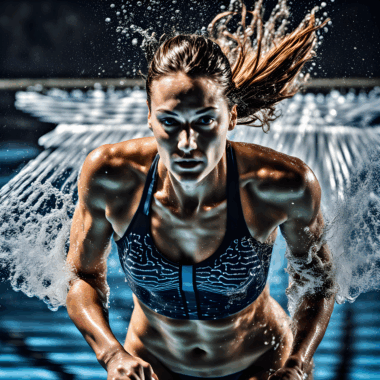
As swimmers transition into their teenage years, they encounter unique physical and psychological changes influencing their swimming experience. Coaches working with teenagers must adapt programs to suit developing bodies and increasing motivation for fitness or competition. This period often emphasizes personal goals, making it essential for coaches to facilitate autonomy while offering support and guidance. Teenagers usually benefit from increased intensity and diversity in workouts, so incorporating interval training, strength-building exercises, and advanced technique work can be advantageous. Additionally, fostering team spirit is crucial, with opportunities for socialization enhancing their enjoyment of the sport as they can bond with teammates. Regular feedback and performance analysis serve to motivate teens and help them set realistic goals. Given the fluctuating dynamics in this age group, swim coaches should maintain open communication, encouraging teens to express their needs and feelings. Furthermore, lifting strengths need careful assessment to avoid injuries resulting from overtraining. Ultimately, a well-structured swimming program for teens should balance fun, competition and skill development, preparing them either for high school swim teams or recreational swimming challenges.
Enhancing Adult Swimming Programs
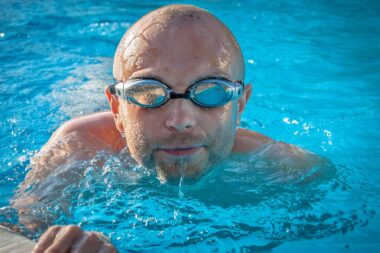
Adult swimmers often vary widely in experience, motivation, and goals. Thus, when designing swim programs for adults, the focus should be on individual capabilities and objectives. Many adults participate in swimming for fitness, relaxation, or rehabilitation after injuries, highlighting the importance of offering diverse class options. Coaches should create a safe, supportive environment that welcomes both beginners and advanced swimmers. For those just starting, several techniques and drills should emphasize water safety, comfort, and basic strokes like freestyling and backstroke. On the other hand, experienced adults may seek to refine their skills, improve techniques, or increase endurance for competitions. Structured training sessions involving drills, timed swims, and technical feedback can help meet these goals. Moreover, coaches should promote social elements, including fun relays or group workouts, enhancing motivation and community among adult swimmers. It’s essential to periodically assess the progress of adult participants, allowing them to make adjustments and set goals. Consequently, adult swim programs must be mindful that everyone has distinct motivations, thus creating an inclusive atmosphere that inspires all to excel.
The physical and emotional aspects of swimming cannot be overlooked when crafting tailored swim programs. Coaches should encourage open dialogue about individual fears, anxieties, or past experiences in the water. Understanding these aspects is crucial for creating a supportive atmosphere, particularly for children and adults starting anew or overcoming challenges. For young swimmers, affirming their progress and celebrating small achievements fosters confidence. Similarly, adults need personalized feedback to help navigate their goals effectively. Additionally, stretching and flexibility exercises should be integrated into programs, as this promotes injury prevention and enhances performance. Coaches might also introduce relaxation techniques or mindfulness practices, making swimming contribute positively to mental health, especially during stressful times. As swim programs progress, adjustments might be necessary to accommodate growing confidence and swimming competence. Regular assessments through timed trials or skill evaluations ensure that each individual feels supported in their journey. This continual evolution of swim programs encourages long-term participation in the sport while developing well-rounded swimmers comfortable in the water and excited about further improvement.
Competitive Swimming for All Ages
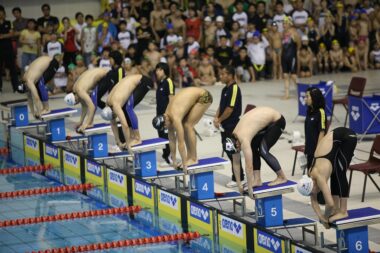
As interests evolve, competitive swimming becomes a significant aspect for many participants across age groups. To tailor swim programs effectively, it’s vital to introduce competitions progressively, ensuring participants feel confident to partake. Young swimmers should experience a fun, non-threatening introduction to competitive formats through local meets or friendly races that emphasize personal bests instead of solely winning. Coaches can also use these events to teach sportsmanship and encourage healthy rivalries. For older, more experienced swimmers, especially those in their teenage years and beyond, advanced coaching should focus on developing specific racing techniques, enhancing efficiency, starts, and turns for races. Emphasis on training regimens tailored to enhance endurance, speed, and strength become more prominent in adult programs. These competitively-focused swim programs require a balance between intense training schedules and maintaining a supportive atmosphere. Coaches should regularly evaluate swimmers’ performances, helping them set realistic goals while ensuring enjoyment remains paramount. As a result, competitive swim programs can provide participants not only with physical benefits but also increased self-esteem and camaraderie among teammates, preparing them for swimming and life beyond the pool.
In conclusion, crafting tailored swim programs that cater to different age groups involves understanding their unique needs and motivations. From children seeking playful introductions to water, to adults looking for fitness or rehabilitation, each program must prioritize safety, skill progression and enjoyment. Coaches play a pivotal role in nurturing swimmers’ love for the sport through engaging lessons that incorporate both educational and practical elements. Regular communication with participants helps ensure programs remain aligned with their goals, creating a welcoming atmosphere for all ages. Furthermore, assessing progress on an ongoing basis allows for necessary adjustments that empower each swimmer to excel while enjoying the journey. Ultimately, swim coaching is not just about developing champions in the pool, it’s about fostering a lifelong appreciation for swimming and instilling important life skills such as resilience and teamwork. By focusing on tailored programs appropriate for each age group, coaches can create impactful experiences that resonate beyond the swimming pool. In doing so, they prepare individuals for a lifetime of aquatic enjoyment and safe, confident engagements with water.