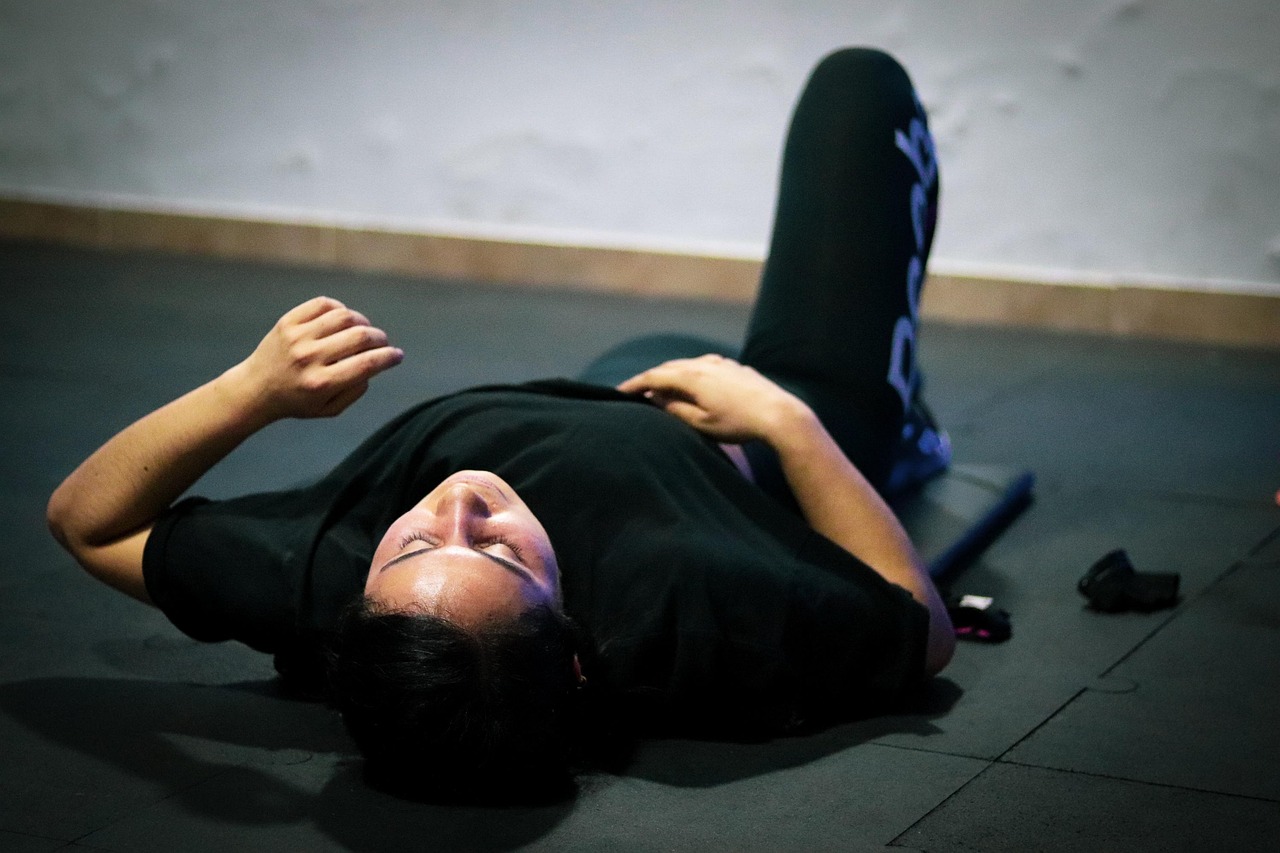

The Best Tools for Core Strengthening: From Mats to Stability Balls
Core strength is vital for overall fitness, stability, and balance in many activities, from sports to everyday tasks. Among the essential tools for building a robust core are core strengthening gadgets and equipment that enhance stability and promote effective workouts. One key tool is the exercise mat, which offers a dedicated space for performing abdominal exercises like crunches and planks. Mats provide cushioning, making workouts more comfortable, particularly for floor exercises. Another fundamental tool is the stability ball, which encourages the engagement of core muscles during various exercises. By incorporating the stability ball, users can perform dynamic movements that challenge balance and stability. This equipment is multifunctional, allowing workouts such as wall squats, stability ball pass, and more. Resistance bands also play a vital role, providing adjustable resistance that enhances core workouts. Bands are versatile, suitable for numerous exercises like woodchoppers and standing rotations. Each piece of equipment targets different core areas, helping improve strength and posture. Invest in these tools for an effective core training routine that can enhance every aspect of your physical performance, leading to long-lasting benefits.
The Importance of Core Strength
Understanding the significance of core strength is paramount. The core comprises various muscles in the abdomen, back, and pelvis, playing a crucial role in maintaining stability and protecting the spine. A strong core helps improve posture, balance, and coordination. Thus, workouts focusing on core strengthening movements are essential for both athletic performance and daily activities. Moreover, strengthening the core can prevent injuries by ensuring proper alignment and movement patterns. Engaging in a consistent regime that incorporates core strengthening tools allows individuals to build endurance efficiently. This core endurance can enhance overall performance across different forms of physical activities, including running, swimming, and weight training. Additionally, improved core strength creates a solid foundation for more advanced movements and exercises. Many people overlook core workouts, focusing instead on larger muscle groups. However, dedicating time to develop core strength can yield significant improvements in overall fitness levels. Furthermore, a strong core can contribute to better athletic performance by ensuring efficient movement and control during physical activities. Investing in appropriate tools creates an engaging approach to core strengthening. Prioritize core workouts to ensure progress and enhanced performance.
Among the various core strengthening tools available, stability balls are particularly effective. Stability balls come in various sizes and can be used for a multitude of exercises. When used correctly, they engage multiple muscle groups, particularly the core, while also improving flexibility and balance. To get the most from a stability ball, ensure it is the correct size; when seated, your hips should be level with your knees. Beginning with basic exercises, such as seated marches or wall squats, can provide a strong foundation. Stability balls also offer adaptations for traditional exercises, turning regular crunches into dynamic movements that enhance results. Stability ball rollouts, for example, not only work the abdominals but also engage the upper body and create stability. Another great advantage of stability balls is their ability to enhance proprioception, making users more aware of their body positioning in space. Additionally, users can easily integrate stability balls into group classes or partner workouts, promoting a fun environment. To maximize benefits, individuals should start at a comfortable level and gradually increase the challenge as they gain strength and control. With consistent practice, the stability ball can become an indispensable part of any core routine.
Another essential tool for core strengthening is the resistance band. Resistance bands add variety to core workouts by providing variable resistance and challenges during movements. Available in different thicknesses, these bands cater to varying fitness levels, making them suitable for both beginners and advanced users. Exercises like banded hip thrusts and woodchoppers effectively activate the core. Resistance bands also promote stability as you perform movements that require attention and focus, aiming for form consistency. Another advantage of resistance bands is their portability; they can fit easily into any bag, allowing workouts anywhere. Users can engage in banded training during home workouts, in the gym, or even outside in parks. Additionally, they are excellent for rehabilitation, helping you regain strength and mobility in a controlled manner. Incorporating resistance bands into your core training routine automates progression by challenging muscles more effectively. The versatility of resistance bands ensures users can explore countless exercises, enhancing creativity in workouts. Their low-impact nature also makes them suitable for individuals recovering from injuries. Regular use of resistance bands fosters continuous improvement, making them an essential tool in core strengthening routines.
Utilizing Stability Training Tools
Incorporating stability training tools adds another layer of challenge to core workouts. Tools such as balance discs or Bosu balls can heighten the effectiveness of exercises, forcing users to stabilize throughout various movements. These tools require constant engagement of core stabilizing muscles, significantly enhancing core strength outcomes. When using a Bosu ball, for example, users can perform traditional exercises such as squats or lunges while balancing. This not only requires strength but also fosters coordination and proprioception. Another popular tool in stability training is the balance board, which further amplifies core engagement; it encourages active participation of the core throughout the workout. Regular use of these tools can lead to improved athletic performance and functional gains in daily activities, making movement patterns more efficient. By incorporating a variety of tools alongside traditional core exercises, individuals can develop comprehensive strength. Stability training not only enhances core function but also improves overall balance and coordination, thus reducing the risk of falls. The mental aspect challenges the body in new ways, promoting adaptability and strength. With a personalized approach, stability tools significantly enhance core training effectiveness and can produce admirable results over time.
In addition to traditional exercise tools, weighted options provide significant advantages for core strengthening routines. Incorporating weights into core workouts challenges the muscles beyond body weight, enhancing strength and hypertrophy. Options include medicine balls, weighted vests, and dumbbells, each providing unique benefits. For instance, med balls can help in performing dynamic moves like Russian twists or slams, engaging the core intensely. Additionally, weighted vests allow individuals to perform bodyweight exercises like push-ups and squats, enhancing core engagement through added resistance. Dumbbells are also incredibly versatile; they can promote stability while performing single-arm exercises. This asymmetrical load engages core muscles and strengthens stabilizers efficiently. To build strength progressively, users should begin with lighter weights and increase gradually as strength develops. A balanced approach is essential, as adding too much weight can lead to improper form and increase injury risk. Weight training promotes a broader exercise selection, ensuring workouts remain engaging. Adequate recovery is crucial when incorporating weights; allowing for proper muscle rest helps facilitate growth. Ultimately, using weights in core strengthening routines equips users to compete at higher performance levels and improves functional everyday tasks.
Consistency and Variety in Core Training
For optimal results in core strengthening, consistency and variety are crucial. Regularly dedicating time to core workouts ensures progress, maintaining a routine that supports overall fitness goals. Combining various tools, including mats, stability balls, resistance bands, and weights, fosters excitement in workouts, preventing boredom. Engaging in a wide array of exercises not only targets different areas of the core but also challenges muscular endurance. It is essential to include both static and dynamic movements in a consistent training schedule. Static core exercises, like planks and hollow holds, build stabilization; while dynamic exercises, such as bicycle crunches or stability ball passes, enhance muscle engagement. Establishing a structured plan incorporating progressive overload will enable individuals to experience continuous growth. By analyzing personal strengths and areas for improvement, users can adapt their workouts to meet their particular needs effectively. Recovery periods and rest days should also be included to support muscle recovery; overtraining can hinder progress. Moreover, engaging in group classes or training with a partner can create accountability, ensuring adherence to routines. With balanced consistency and diverse workout routines, core strength will develop effectively and sustainably.
It is crucial to complement core strengthening routines with adequate nutrition and hydration. The fuel provided to the body directly impacts performance and recovery when exercising. To support muscle growth, emphasize a balanced diet rich in protein, complex carbohydrates, and healthy fats. Proper hydration aids in maintaining effective muscle function; dehydration can lead to fatigue and diminish workout quality. Focus on post-workout recovery by consuming protein-rich food or supplements, ensuring your muscles receive the necessary nutrients for repair. Furthermore, adequate stretching following core workouts is vital to enhance flexibility and prevent injury. Regularly incorporating restorative practices, such as yoga or Pilates, can significantly improve core strength while promoting relaxation and mental focus. Engaging in mindful movement can foster discipline, allowing better performance in workouts. In addition, incorporating breath work while exercising further elevates core engagement. By aligning breathing patterns with movement, individuals maximize strength and endurance throughout workouts. Staying consistent, nourishing the body correctly, and maintaining a balanced approach will enhance core strengthening efforts. Ultimately, those who prioritize nutrition and self-care can experience improved performance in their core training long-term.