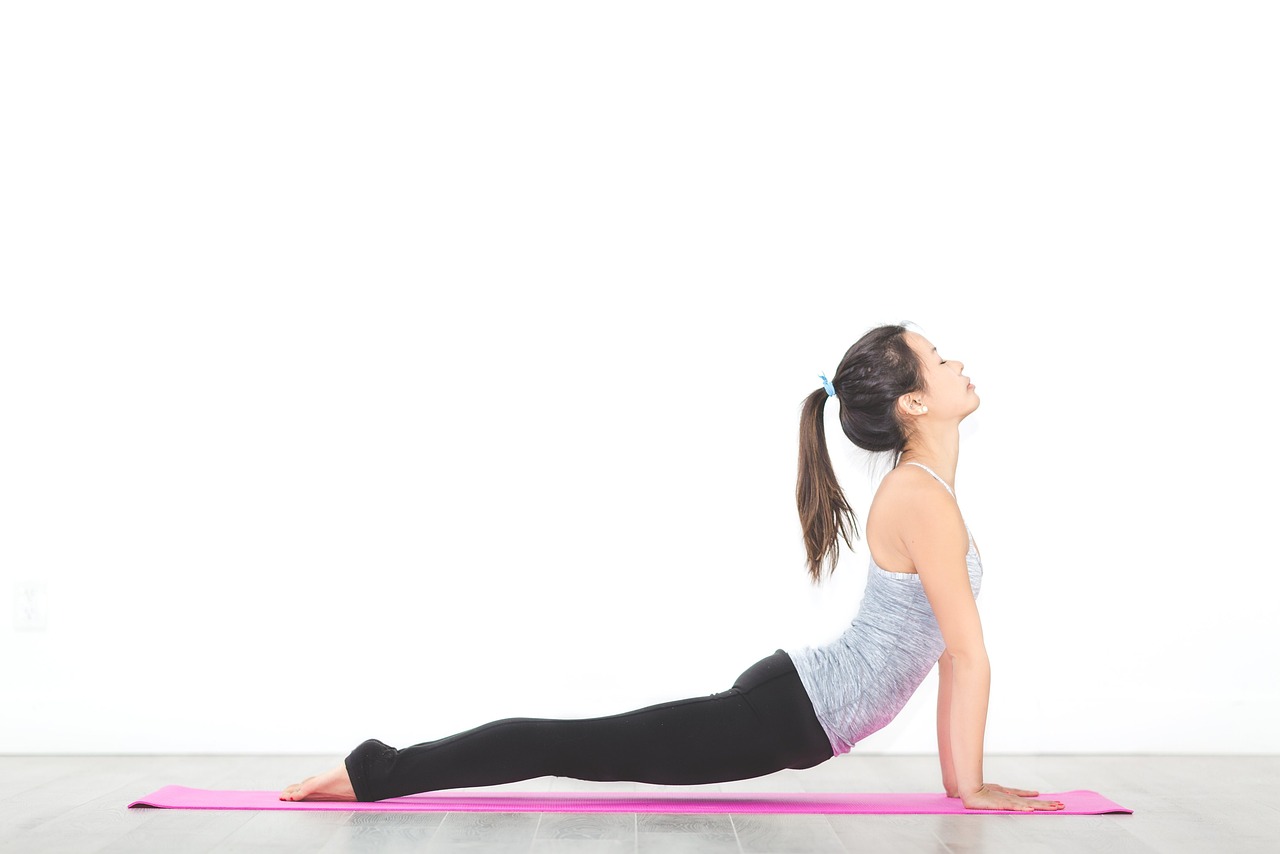

Yoga for Athletes: Enhancing Flexibility and Performance in Week 15
Yoga is a unique practice that melds physical exertion with mental clarity. For athletes, including yoga in their workout plans can significantly boost flexibility, performance, and recovery. Incorporating yoga assists in creating better balance, enhancing coordination, and improving overall body awareness. These attributes are essential in any athletic endeavor, from running to team sports. This week, we will explore specific yoga poses designed to target common problem areas for athletes, such as tight hamstrings, shoulders, and hips. Each pose will contribute to a comprehensive workout that not only strengthens but also elongates muscles. Whether a seasoned yogi or a beginner, integrating these exercises can catalyze improvement in athletic performance and injury prevention. Furthermore, understanding the connection between yoga and athletic performance highlights the sport’s holistic aspect. Athletes strive for peak performance in their specific sports; therefore, fine-tuning every aspect of their physical regimen is essential for achieving their goals. Making yoga a consistent part of the training routine helps address muscle tightness while fostering physical and mental recovery.
Key Benefits of Yoga for Athletes
The benefits of practicing yoga for athletes extend far beyond merely flexibility. Yoga engages various muscle groups, enhancing strength and endurance while reducing injury risk. Through controlled breathing and mindful movement, athletes can improve their mental focus, essential for optimizing performance during competitions. Another significant advantage is improved circulation throughout the body, allowing for better nutrient delivery to muscles, promoting recovery after intensive training sessions. Furthermore, yoga encourages proper alignment which can prevent imbalances that lead to injuries. Athletes often push their physical limits, but yoga helps maintain balance, ensuring that both strength and flexibility develop symbiotically. This balance is crucial for longevity in sports. Athletes can also experience enhanced emotional resilience through yoga, which, coupled with breath-focused practices, encourages calmness and stability for better performance under pressure. Implementing a regular yoga practice can lead to increased health outcomes, such as lower stress levels and enhanced mood. As results compound over time, the impact of yoga on sports performance becomes more evident, affirming that the integration of yoga into training regimens is not merely beneficial but essential.
As we dive deeper into yoga for athletes, it’s essential to focus on specific poses that yield maximum benefits. Here are five impactful poses: Downward Facing Dog, Warrior II, Pigeon Pose, Cat-Cow Stretch, and Tree Pose. Each pose offers unique advantages for enhancing athletic capabilities and achieving relaxation. To begin, Downward Facing Dog stretches the entire body and primes the muscles for deeper work. Warrior II builds strength in the legs while improving balance and hip flexibility, a key area for athletes. Meanwhile, Pigeon Pose opens the hips, targeting stubborn tension in the hip flexors. Cat-Cow Stretch promotes spinal flexibility, reducing the risk of back injuries, which are common among athletes. Finally, Tree Pose enhances focus and concentration, vital components for competitive athletes seeking peak performance. Incorporating these poses into your weekly routine can create lasting benefits. It’s essential to balance strength-building poses with restorative ones, ensuring the body doesn’t become overwhelmed or fatigued as training progresses. Use these poses to enhance your workout and aid in recovery.
Every yoga session can be tailored to meet the unique needs of an athlete, incorporating a blend of strength and balance work. The importance of focusing on breath cannot be overstated; breath control enhances both flexibility and stability while practicing poses. Start each session by setting an intention that aligns with your current training goals, thus linking the practice back to your performance. Maintaining awareness of alignment and breath during the practice helps develop a deeper mind-body connection, essential for any athlete looking to improve. In weeks leading up to competitions, athletes can utilize yoga to create a calming routine that addresses pre-competition jitters. This calming practice helps athletes find their center, allowing them to enter competitions with a clear focus. Remember to listen to your body during yoga sessions, modifying poses as necessary to fit your level of experience and flexibility. As awareness builds, you may find deeper stretches and enhanced benefits from each practice, which can translate directly into athletic performance. Additionally, incorporating these mindful moments into training leads to improved mental clarity and a stronger competitive mindset.
Hydration and nutrition also play a pivotal role in optimizing the benefits of yoga. Staying hydrated supports muscle function and enhances recovery, allowing athletes to reap the full rewards of their yoga practice. Moreover, consider aligning nutrition with yoga sessions; consuming nutrient-dense foods can provide the required energy without inducing fatigue. Consistency in both yoga practice and mindful eating can lead to remarkable changes in athletic performance. Implementing nutritional strategies alongside yoga routines enhances flexibility and stamina, solidifying the mind-body connection vital for athletes. Additionally, incorporating post-yoga recovery meals can help replenish glycogen stores depleted during training. Combining protein, healthy fats, and carbohydrates supports muscle repair and growth after intense workouts. Allowing adequate recovery time is paramount; therefore, integrate rest days and lower-intensity yoga sessions to facilitate recovery. These practices work synergistically, enabling athletes to push further in their sports without increasing injury risk. Understanding how nutrition and recovery impact performance can elevate an athlete’s training regimen to new levels, ultimately enhancing effectiveness in competitions.
Creating a Yoga Schedule
To gain the full benefits of yoga, developing a structured routine is essential. Establish a weekly schedule that incorporates various yoga sessions alongside traditional workouts. Aim for at least three dedicated yoga sessions per week that focus on flexibility, strength, or relaxation, catering to your unique athletic needs. Flexibility-focused sessions can set the tone for training days, while restorative yoga can serve as a tool for recovery on off days. Remember, consistency is key; create a realistic arrangement that you can maintain and adapt over time. Whether including yoga at the start or end of workouts or as stand-alone sessions, it will help solidify its role in your routine. Consider participating in group classes or following online videos to foster commitment, motivation, and community. Community engagement in yoga can provide additional support, keeping your practitioner’s spirit alive. Tracking the progress of your practice in a journal may offer insights into your experiences and results over time, helping refine your practices further. Create a personal schedule that meets your lifestyle, and integrate it seamlessly into your existing workout plan.
In conclusion, yoga is a valuable addition to any athlete’s workout regimen, offering physical, mental, and emotional benefits. Over the course of this week, practitioners focusing on flexibility and performance can optimize their routines through targeted yoga poses designed for athletes. Each session fosters greater awareness of body mechanics, which translates positively into sports performance. By committing to regular practice and incorporating nutrition and recovery strategies, athletes can elevate their workouts to new heights. Utilize techniques discussed to make yoga an integral part of your training regime, whether through individual practice or supported group settings. Ultimately, the synergy between yoga and athletic training nurtures not only performance but also longevity in sports. Embrace this practice; it will not just enhance flexibility, but assist athletes in achieving their goals more efficiently. Keep an open mind and allow yoga to inspire your physical pursuits, fostering the relationship between body and mind. The journey of integrating yoga into your routine is unique; enjoy the process while reaping immense benefits that go beyond the mat.
As you embark on this week’s focus on yoga for athletes, consider incorporating classes that emphasize both strength and flexibility tailored to various sports. Look for local studios offering athletic-specific yoga classes designed to meet your needs, or follow online practitioners specializing in sports yoga. Seek classes that highlight poses beneficial for recovery after intense workouts, guiding you both physically and mentally through the healing process. Communicate with instructors about your goals, thus ensuring your practice addresses any specific concerns related to your athletic performance. Building a community with fellow athletes in yoga can foster motivation and create enriching experiences. Sharing progress in the practice enhances accountability and support amongst peers. Furthermore, engaging with fellow practitioners will help strengthen the commitment to your yoga practice. Regular participation allows athletes to take advantage of the techniques learned during sessions, applying them in their training regimes. With dedication and practice, you will notice changes in performance, adaptability, and resilience, leading you closer to your goals. Making the experience enjoyable further enhances the likelihood of long-term commitment to combining yoga with athletic training.