
Cross-Training Methods to Enhance Triathlon Performance
Triathlon training demands a diverse and multifaceted approach, particularly for advanced athletes aiming to improve their performance. Cross-training offers a variety of methods to complement swimming, cycling, and running, ultimately enhancing overall conditioning. It can reduce the risk of injury by enabling athletes to engage different muscle groups while allowing for recovery time. Alternatives like rowing, strength training, and yoga keep workouts fresh and engaging, fostering greater overall fitness. Mixing in these activities helps to build endurance while simultaneously improving technique and efficiency in each triathlon discipline. Not only does it keep training interesting, but it also helps prevent burnout. Successful athletes often find that incorporating such varied training routines is key to maintaining motivation and achieving goals. Additionally, integrating sports-specific drills improves proficiency, facilitating better competition outcomes. For instance, engaging in swimming drills while using resistance bands can sharpen swim technique. Choosing the right cross-training regimen tailored to individual strengths and weaknesses will allow for maximum benefit. It’s essential to monitor recovery and adjust intensity, ensuring that training remains effective and prevents overtraining by balancing volume and intensity accordingly.
Incorporating Strength Training
Strength training is a critical cross-training method for triathletes, as it builds power, reduces injury risk, and improves muscular endurance. Incorporating weightlifting sessions into the training schedule allows athletes to target muscle groups that may not receive adequate attention in their sport-specific workouts. Focus areas should include the core, legs, and upper body to create a balanced physique capable of supporting endurance activities. Exercises like squats, deadlifts, and bench presses have proven beneficial because they develop strength. Additionally, plyometric workouts can enhance explosiveness and agility, which are vital when transitioning between events. Implementing resistance band exercises can further develop stability and flexibility while ensuring injury prevention. Athletes should often aim for two to three strength-training sessions weekly, ensuring proper periodization throughout their training blocks. Heavy lifting sessions must alternate with lighter days to allow for recovery, while adaptation occurs. Moreover, maintaining a balanced nutrition approach to support muscle development and recovery is equally important. These strength training elements, when strategically layered within a triathlon training plan, can produce marked performance gains during events, pushing athletes to surpass their limits.
High-intensity interval training (HIIT) serves as another excellent cross-training method for triathletes. This technique emphasizes cardiovascular conditioning and can be seamlessly woven into the swimming, cycling, or running workouts. HIIT workouts enhance aerobic and anaerobic fitness, aiding triathletes to sustain speed over longer distances. By subjecting the body to intense bursts of activity followed by periods of rest or low-intensity exercise, athletes can boost their overall fitness in time-efficient sessions. For instance, incorporating 30-second sprints into running sessions elevates heart rates, promoting greater aerobic adaptations. Cyclists can benefit from similar sprint repeats on varying terrains, pushing their limits. Swimming intervals, such as 100m sprints, mixed with recovery laps can sharpen speed and technique. Integrating these workouts a few times weekly, while considering recovery needs, will fuse a variety of intensity levels with race-specific preparations. Moreover, the ability to maintain a higher pacing for prolonged periods increases stamina, essential for triathlon success. Finally, monitoring performance metrics and making adjustments to HIIT sessions will ensure ongoing improvements and maximize the current training block’s potential, enabling athletes to perform at their peak.
Circuit training aptly merges strength and cardiovascular workouts, proving beneficial for triathletes searching for efficiency in their training routines. This method involves leveraging multiple exercises targeting different muscle groups performed one after the other with minimal rest periods. Circuits can include a combination of strength exercises such as push-ups, kettlebell swings, and burpees blended with cardio elements like jumping jacks or running in place. Such an approach not only promotes cardiovascular endurance but also aids in burning calories during workouts. The dynamic nature of circuit training helps keep workouts engaging, thus potentially enhancing workout adherence over time. Additionally, training in a circuit format encourages workout diversity and improves overall fitness capabilities. Athletes can tailor circuits to prioritize specific energy systems or even mimic the sequencing of triathlon disciplines. This allows for a greater simulation of race conditions as selected exercises attempt to engage the key muscle groups utilized. Remembering to vary exercises and intensities during circuits helps prevent plateaus. Likewise, ensuring focused execution with proper form throughout will improve efficiency, ultimately contributing to improved triathlon performance.
Yoga emerges as an effective cross-training method, promoting flexibility, balance, and mental concentration, which are critical for triathlon disciplines. Incorporating yoga can significantly enhance core stability, enabling athletes to maintain effective body positioning during events like swimming and cycling. The emphasis placed on breath control within yoga practice translates to improved breathing techniques while racing. Athletes find that benefits extend beyond physical aspects, as the mental resilience fostered through yoga empowers them to tackle race challenges more effectively. A consistent yoga routine can also facilitate muscle recovery after extensive training sessions and reduce the risks related to stiffness and soreness. Athletes should consider integrating a couple of yoga sessions into their weekly schedule to enjoy both physical and mindfulness benefits. Classes focusing on strength-building poses or restorative practices enhance overall well-being and performance. It’s crucial to select poses and sequences that align with personal needs so as to enhance the training plan effectively. As straining tensions or negative emotions can arise during demanding training periods, yoga offers athletes a chance to unwind, promoting positive mental health and emotional clarity. This balance between body and mind fosters overall performance improvements.
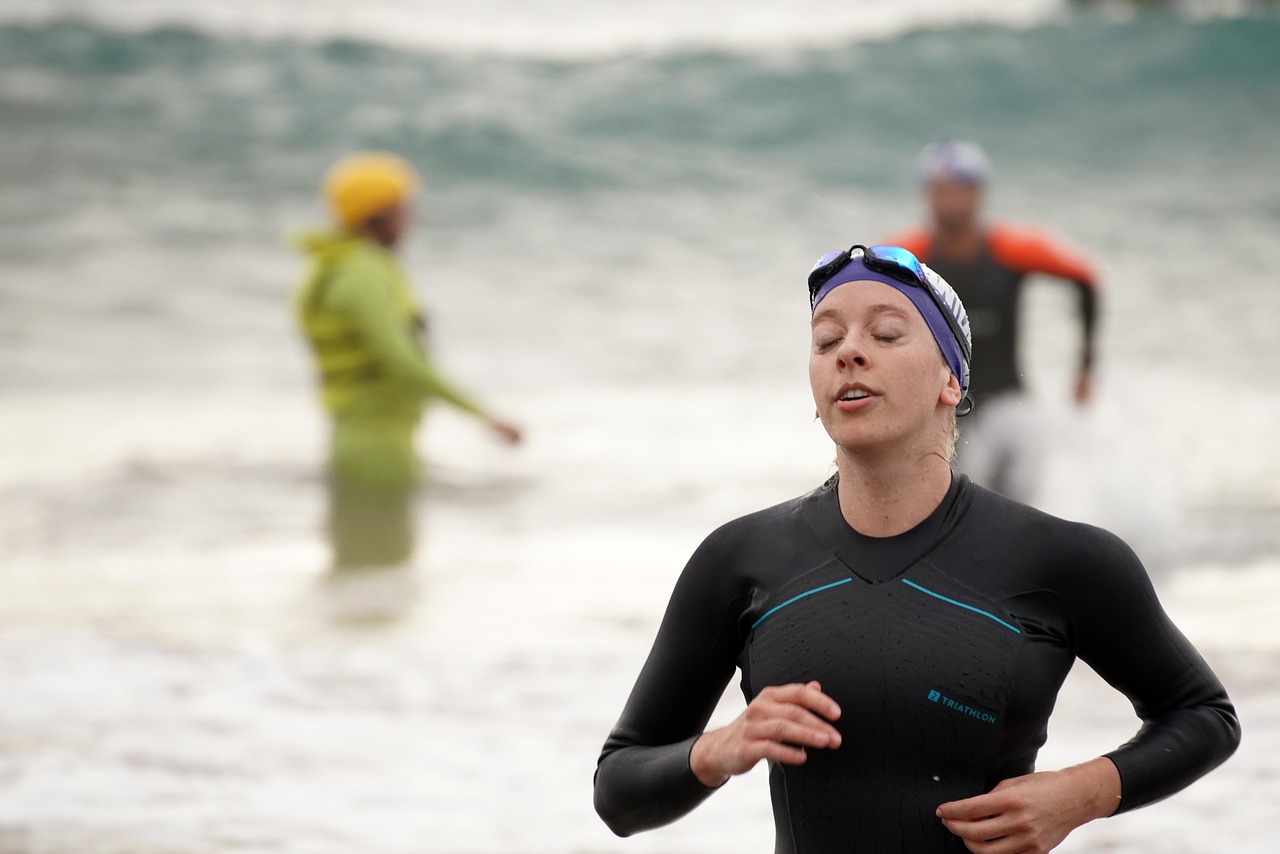
In addition to conventional cross-training methods, open-water swimming is a specialized approach beneficial for triathletes, specifically as they prepare for competitions. Unlike pool swimming, open-water conditions introduce variables like currents, waves, and varying temperatures, which challenge an athlete’s approach and adaptability. Practicing in real race environments enhances comfort and skill needed during competition. Incorporating sighting drills and drafting techniques prepares the swimmer to navigate effectively while conserving energy. Athletes can boost performance by varying distance and duration in sea, lake, or river sessions, allowing seamless transitions between events. Open-water swimming systematically builds both physical stamina and mental confidence. Engaging in these sessions regularly leads to valuable acclimatization, ensuring that swimmers can manage unexpected situations during races. Additionally, team or group swims can foster camaraderie and motivation, which generates a supportive atmosphere. Knowing how to respond to changing conditions during open-water training is invaluable for race-day outcomes. Consequently, including open-water swimming in training plans solidifies overall readiness, improving performance through controlled exposure to potential challenges faced during triathlons.
Lastly, integrating sports-specific drills across the different triathlon disciplines enhances athlete performance through focused skill development. Each discipline demands distinct techniques and practices, emphasizing the importance of honing specific skills. Incorporating drills that emphasize swimming technique—such as catch or kick drills—offers a foundation for improved swim efficiency. Cycling can benefit from cadence and power workouts aimed at refining pedal stroke and optimizing output. Meanwhile, running drills like strides and hill sprints help develop proper form and explosive speed. Implementing these drills into the training curriculum enhances each discipline and elevates the athlete’s overall performance. Prioritizing these drills in weekly workouts ensures loneliness is kept at bay while also providing structure to training. Additionally, utilizing technology, such as video analysis, can help pinpoint form inefficiencies. Engaging in sports-specific drills cultivates greater familiarity and comfort with performance techniques, allowing athletes to seamlessly transition between triathlon events. Athletes should be mindful of their progress and adjust their workouts accordingly. Consistent focus on such pivotal components will sharpen skills, thereby increasing competitive edge and performance outcomes across all race distances.
The optimal use of cross-training methods is vital for any advanced triathlete aiming to excel. Techniques such as strength training, circuit workouts, and yoga all contribute to robust athletic performance. Meanwhile, innovative practices like high-intensity interval training and open-water swimming cater to the unique demands of triathlons. By tailoring training plans that emphasize diverse cross-training methodologies, athletes can eliminate monotony while optimizing their physiological and psychological readiness. Addressing each discipline’s needs and the challenges present in competition further enables triathletes to perform exceptionally across their respective events. With focused dedication toward cross-training, athletes can experience tangible performance improvements leading up to race day. Regular assessments of progress ensure that these training methods deliver results and support endurance through constant adaptation. Consequently, commitment to effective cross-training can provide the foundation for an athlete’s long-term success in triathlons. The potential for improved performance remains high as each cross-training element works synergistically to enhance skills. When aiming for excellence, an intelligent combination of these techniques fosters remarkable advancements in both speed and resilience. Advanced athletes embracing cross-training will ultimately unlock greater triathlon performance potential.