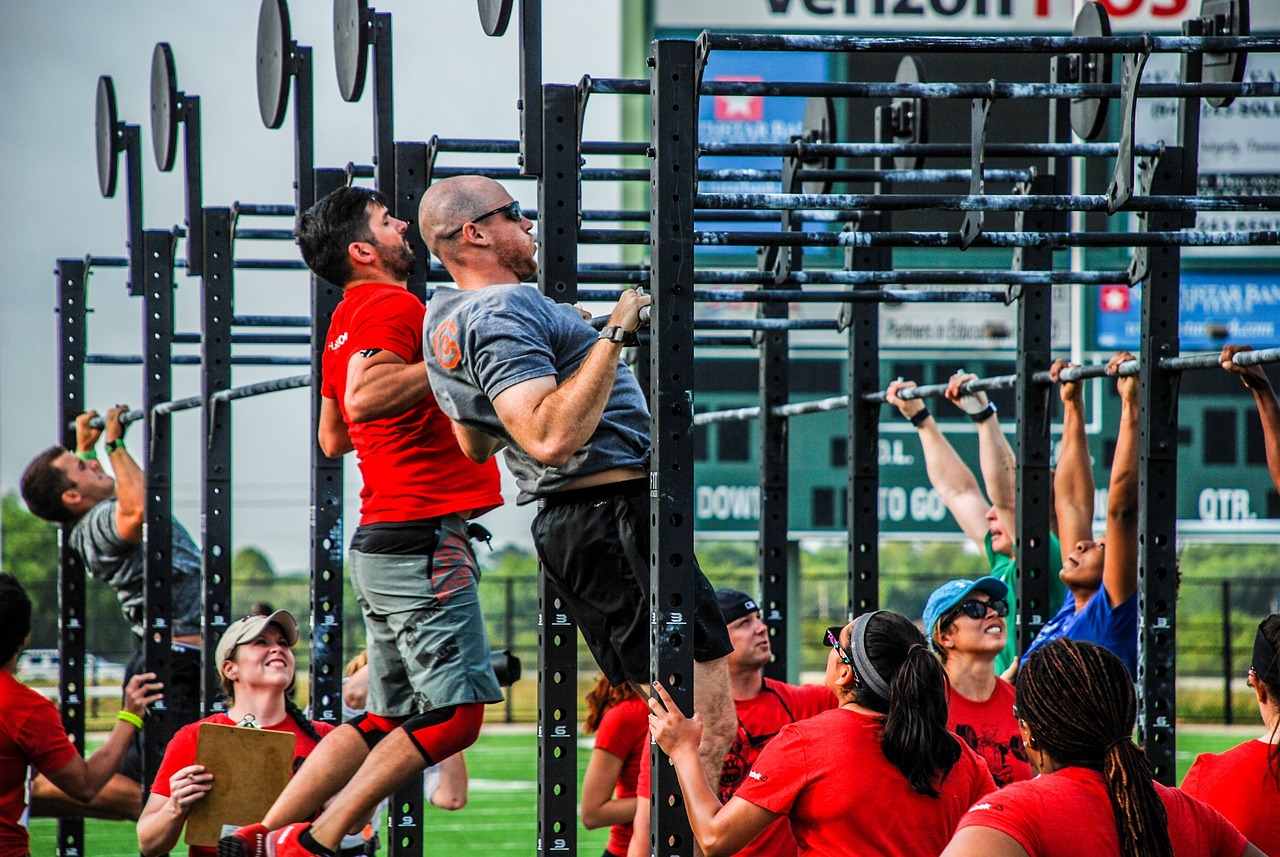

Daily Mobility Drills to Boost Your CrossFit Performance
Mobility routines are essential for enhancing performance in CrossFit, as they facilitate greater range of motion and prevent injuries. One effective way to implement flexibility into your training is through dedicated mobility drills. These routines can easily be incorporated into your warm-up or cool-down sessions. With consistency, athletes will notice improvements in their lifting technique, stronger gymnastic capacity, and ease of movement during WODs (Workouts of the Day). Focusing on hips, shoulders, and the thoracic spine is key for optimal movement patterns. Here are five important mobility drills to add to your regimen:
- Hip Flexor Stretch: This increases flexibility in the hips, vital for squats.
- Thoracic Spine Rotation: Enhances rotation during lifts.
- Pigeon Pose: Opens up the hips significantly.
- Shoulder Dislocations: Improves shoulder mobility.
- Wall Calf Stretch: Boosts ankle flexibility.
Maintaining good mobility through these routines can set up a CrossFit athlete for long-term success. Integrating these drills will undoubtedly assist in achieving specific personal fitness goals. Moreover, enhancing flexibility increases the body’s ability to withstand stress during intense training sessions. An athlete’s daily routines should include these exercises to ensure they do not neglect their body’s need for recovery and restoration. Failure to address mobility can lead to compounding issues, such as restricted movement, which negatively impacts performance. Often, athletes focus predominantly on strength and conditioning, overlooking the importance of mobility. Consider setting aside just a few minutes each day to dedicate to these drills. This can remarkably improve overall muscular balance and coordination. Schedule your mobility work similarly to how you prioritize strength or cardiovascular training. Consistency is key in creating a lasting positive impact on performance.
Hip-Focused Mobility Drills
One crucial aspect of CrossFit training is the strong reliance on the hips for various movements, from squats to Olympic lifts. Hips often become tight due to repetitive actions or prolonged periods of sitting, making them a focal point in mobility routines. A simple yet effective drill is the 90/90 Hip Stretch. This exercise engages both internal and external rotation, promoting flexibility and strength in the hip joint. Additionally, the Butterfly Stretch aids in opening up the groin area, significantly enhancing squat depth. Incorporating dynamic drills, such as Kneeling Hip Flexor Lunge, can activate hip flexors while enhancing range of motion. Consider performing these drills daily, particularly if you’re frequently squatting or lunging. Not only should they be a part of warm-ups but they can also help in recovery phases. Ensuring hip flexibility enables smoother transitions between movements during WODs, leading to greater overall efficiency in performance.
Coupled with hip and lower body mobility, shoulder and upper body flexibility should not be neglected. Effective shoulders are essential for overhead lifts and movements, impacting how comfortably athletes can move through different positions. Drill routines targeting shoulder mobility play an integral role in this aspect. Simple exercises like the Wall Slide not only improve mobility but also help in restoring proper scapular rhythm. Furthermore, incorporating Dislocates with a Resistance Band can assist in creating adequate stretching and strengthening in the shoulder region. Athletes can practice them overhead with the band while focusing on maintaining proper form throughout the movement. In addition, Thread the Needle is an excellent exercise for improving upper back mobility, ensuring strength transference to the shoulder girdle. Integrating these routines fosters ease of movement, vital for executing multiple complex CrossFit movements without experiencing any pain or restrictions, allowing athletes to push their limits.
Importance of Consistency
Using mobility drills consistently affects athletic progress positively. Athletes often wait until discomfort arises to adjust their routines, which can be counterproductive. Instead, a proactive approach to incorporating mobility routines into daily life will alleviate potential injuries long before they occur. Tiny, incremental improvements to flexibility over time will accumulate and yield significant benefits on performance. Meanwhile, not committing to a routine can lead to negative consequences, creating a cycle of pain and discomfort that is difficult to break. Athletes may experience limited ranges during lifts, which translates into potential missed opportunities for personal records. Developing a routine means integrating mobility work as an essential element of training, treating it as non-negotiable. The earlier flexibility becomes a habit, the quicker athletes build ongoing strength and performance gains without undue restriction from tight muscles. Therefore, whether before or after workouts, reminders to practice mobility must become ingrained habits in every CrossFit athlete’s training philosophy.
Moreover, recovery days should include mobility enhancement routines to help regenerate muscle fibers and reduce soreness. Taking the time to implement active recovery through gentle stretching not only enhances mobility but aids in blood circulation, assisting in muscle relaxation. Foam rolling can serve as one great tool to release tension in tight muscles and knots. Implementing a Foam Roller after workouts, focusing on major muscle groups, can drastically reduce muscle tightness and improve mobility. Also, consider pairing foam rolling with static stretches for improved effectiveness. Always listen to your body and adjust your stretches based on how you feel. While pushing limits is essential for strength training, compromising flexibility can diminish your overall exercise quality. Recovery days don’t need to equate to complete rest; rather, they can involve engaging in gentle exercises aimed at mobility and listening to your body while recharging for future training. Keeping this balance is vital for success.
Conclusion
In conclusion, regular mobility routines are crucial to enhancing CrossFit performance. Incorporating these drills consistently will undoubtedly improve range of motion, allowing athletes to perform movements more efficiently. Starting with the basic exercises mentioned earlier can create a solid foundation, serving as a springboard for advancing further. Athletes must embrace a commitment to integrating mobility practices into their fitness regimes, regardless of the intensity of their training. Over time, these techniques will cultivate long-lasting improvements that translate seamlessly into performance gains. Ultimately, developing flexibility goes hand in hand with strength training; neither should outpace the significance of the other. Make your mobility routine a priority. Simplistic yet clever approaches to flexibility afford athletes the chance to adopt performance-enhancing habits that are easy to manage. Athletes should feel empowered to continue exploring new exercises while maintaining a diligent outline. Strategically implementing mobility drills fosters unwavering progress and safeguards future workouts, ensuring success for CrossFit enthusiasts across all levels.
Whether you’re an experienced athlete or just starting in CrossFit, investing time in mobility can help elevate your physical capabilities and reduce fatigues during exercises. As a final note, remember to adapt exercises to suit personal needs and fitness levels. Consistency with static and dynamic stretching throughout the week ensures solid preparation for physical challenges ahead. With thorough dedication, athletes can become exceptional versions of themselves while enjoying the journey to improved performance.